Direct from our state-of-the-art blow molding manufacturing lines. Designed for durability, safety, and ultimate structural engineering integrity.
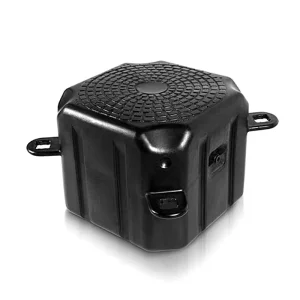
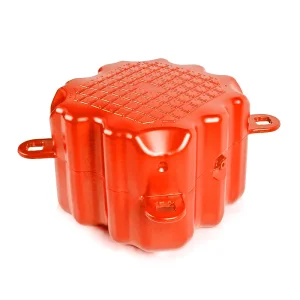
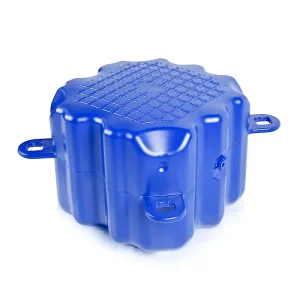
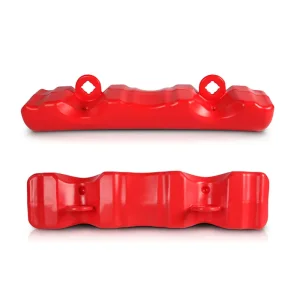
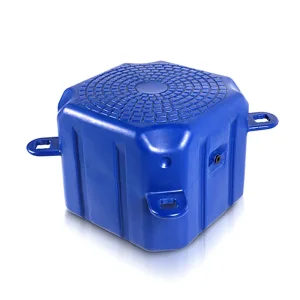
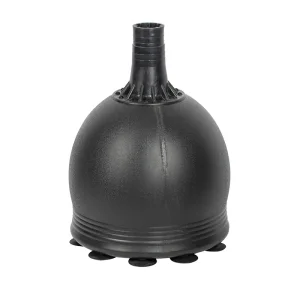
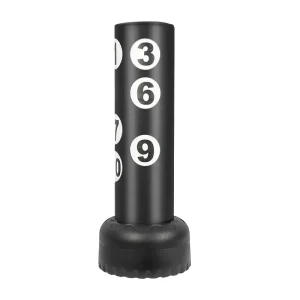
Founded in 2019, Shenghuang Industrial & Trade Blow Molding Factory has quickly emerged as a premier innovator and powerhouse in the high-density polyethylene (HDPE) blow molding sector. Headquartered strategically in Huangyan, Taizhou, Zhejiang—the globally recognized hub of China's mold and plastic manufacturing ecosystem—our enterprise has scaled production capabilities to service complex international supply chains across multiple sectors, including municipal marine structures, commercial watercraft docking, sports equipment infrastructure, and industrial packaging.
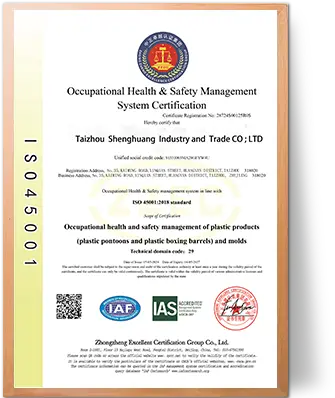
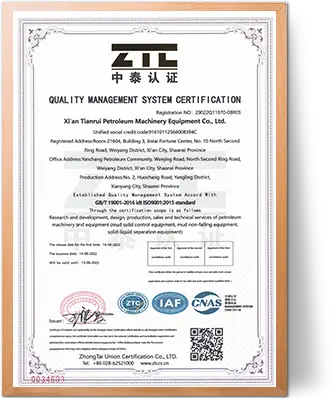
Leveraging advanced automation, custom mold engineering, and rigorous polymer testing protocols, our facility delivers high-buoyancy marine structures that resist environmental stressors, ultra-durable sporting utilities, and customized structural configurations. Operating under the ISO 9001 quality management framework, we guarantee traceabilities from base polymer raw materials to post-molding structural stress testing.
2019 in Taizhou, Zhejiang
ISO 9001:2015 Standards

Understanding the critical technical specifications required by commercial developers, municipal engineering bodies, and logistics hubs.
Global aquaculture and watercraft operators demand platforms that maintain structural levelness under heavy static loads. Our standard modular systems provide up to 350kg/m² of certified buoyancy, mitigating tipping hazards under asymmetric loading scenarios.
Water-borne structures face continuous UV radiation exposure, fluctuating thermal ranges, and chemical degradation. Synthesized with premium HDPE and integrated UV stabilizers, our products prevent photo-oxidation, preserving material elasticity and preventing cracking.
Modern developers must secure environmental permits before installation. Our non-leaching, 100% recyclable virgin polymer materials release no hazardous particles or endocrine disruptors, making them ideal for sensitive lake ecosystems, reservoirs, and public parks.
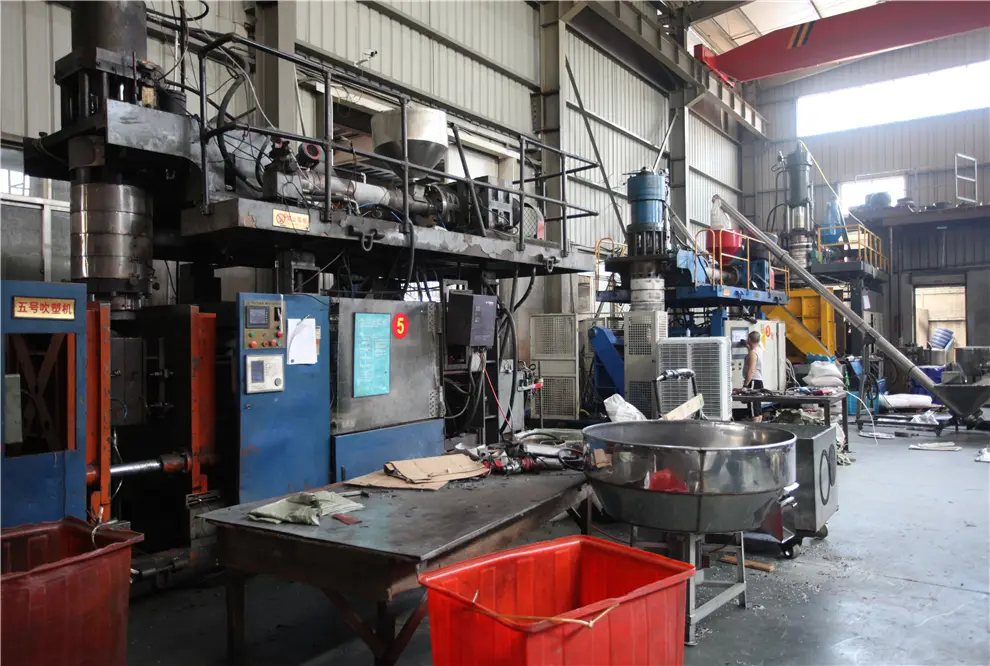
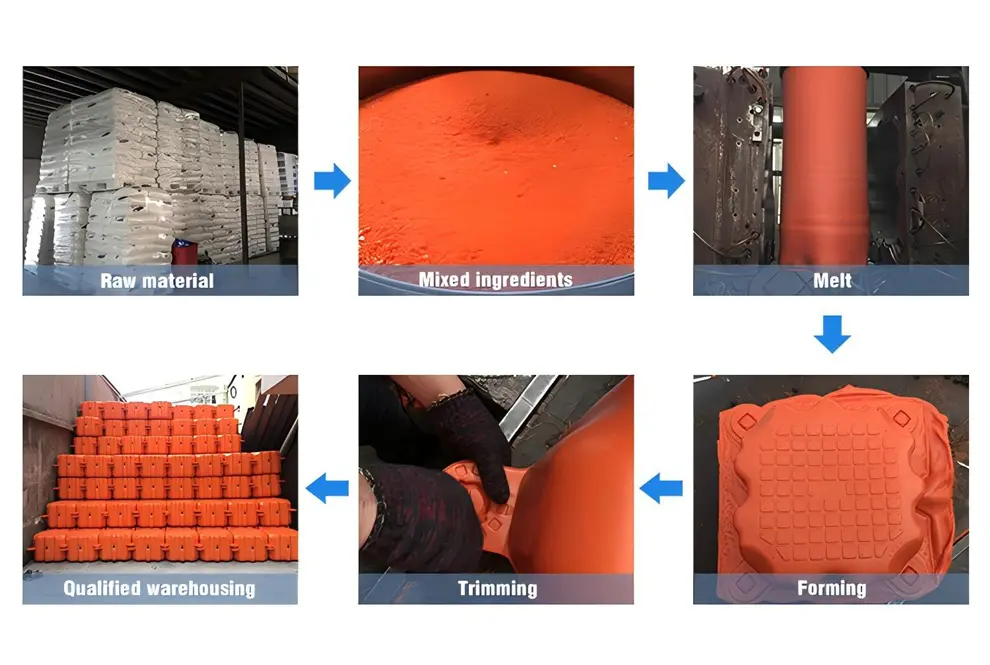
Our manufacturing facility operates multiple heavy-duty automated blow molding production lines. The blow molding process allows us to create monolithic hollow structures that optimize structural mass with exceptional compressive strength. Key aspects of our engineering workflow include:
Shenghuang actively prioritizes eco-friendly manufacturing initiatives. We reduce municipal energy dependence by utilizing waste-heat recovery systems on our heavy blow-molding cooling circuits. All product compounds align with REACH, RoHS, and local EPA guidelines, assuring global distributors of zero regulatory friction during customs clearances.
Our operational capabilities reflect a standard of consistency, capacity, and precision engineering.
Scientific parameters defining our high-density polyethylene modular floating components.
| Material Parameter | Technical Metric | Environmental / Testing Standard |
|---|---|---|
| Base Polymer Composition | High Density Polyethylene (HMWHDPE) | ISO 1133 Melt Flow Rate Compliant |
| Static Surface Buoyancy | ≥ 350 kg/m² (Single-layer Pontoon) | Hydrostatic chamber load cell certified |
| Working Temperature Range | -60°C to +80°C / -76°F to 176°F | Tested for thermal contraction & expansion limits |
| UV Degradation Resistance | UV8 Protective Index (Highly Stabilized) | ASTM G154 accelerated weathering standard |
| Anti-slip Co-efficient | Orange Peel Concave-Convex Texture | DIN 51130 Anti-slip classification (R10) |
| Chemical Inertness | Resistant to acids, alkalis, salt, and oils | ASTM D543 chemical compatibility validated |
To retain our competitive edge in search intent matches for premium marine platforms, Shenghuang is currently testing next-generation bio-sourced polyethylenes (Bio-HDPE). This material aims to deliver identical mechanical load capabilities with a 45% reduction in embedded carbon dioxide equivalents. Our R&D pipeline focuses on high-elasticity structural ribs to resist shear stress under severe sea conditions, ensuring our floating pontoon configurations withstand unpredictable offshore dynamics.
Collaborating with marine engineering firms, global distributors, and athletic equipment retailers worldwide.








Providing industry-leading service capabilities, product engineering, and post-installation support.
We recruit and train high-caliber engineers and sales specialists. Our team acts as technical consultants for our customers, assisting in structural marine modeling and material stress analysis before production runs.
Our adaptable engineering pipelines cater to custom dimensional profiles, alternative raw material additives (e.g., specific anti-microbial coatings), and custom brand integrations via our rapid tool-prototyping service.
We combine manufacturing efficiency with environmentally safe procedures. Our energy-recovery systems minimize peak power draw, while our closed-loop cooling configurations avoid heating local water runoffs.
From custom logistics management to technical documentation, our dedicated after-sales team supports buyers throughout the installation lifecycle. We offer physical part replacements and technical mooring advice.
Demonstrated stability in real-world environments. Explore our operational footprint across diverse hydrological conditions.
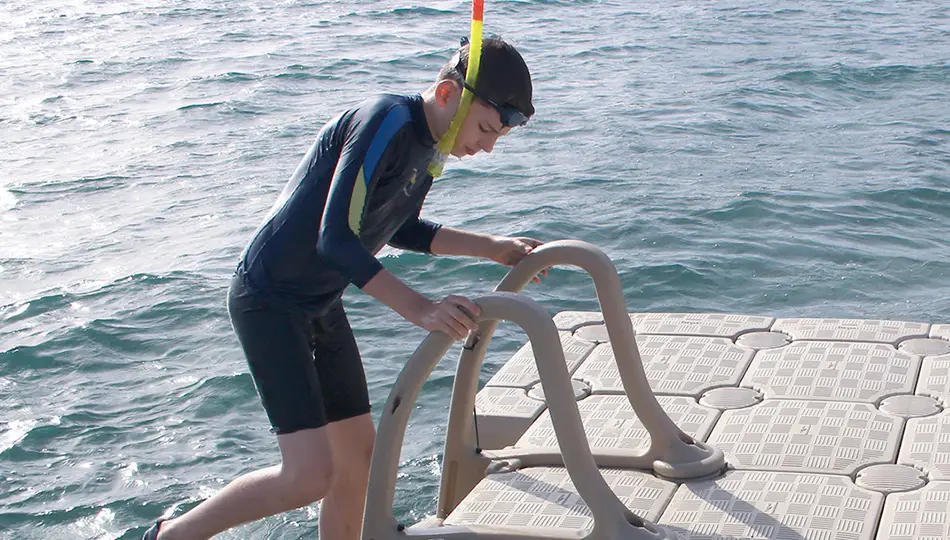
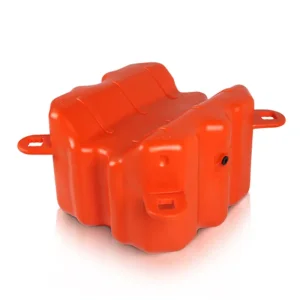
High-density modular configurations for yacht mooring, public walking paths, and floating structures under high-current regimes.
Read Case Study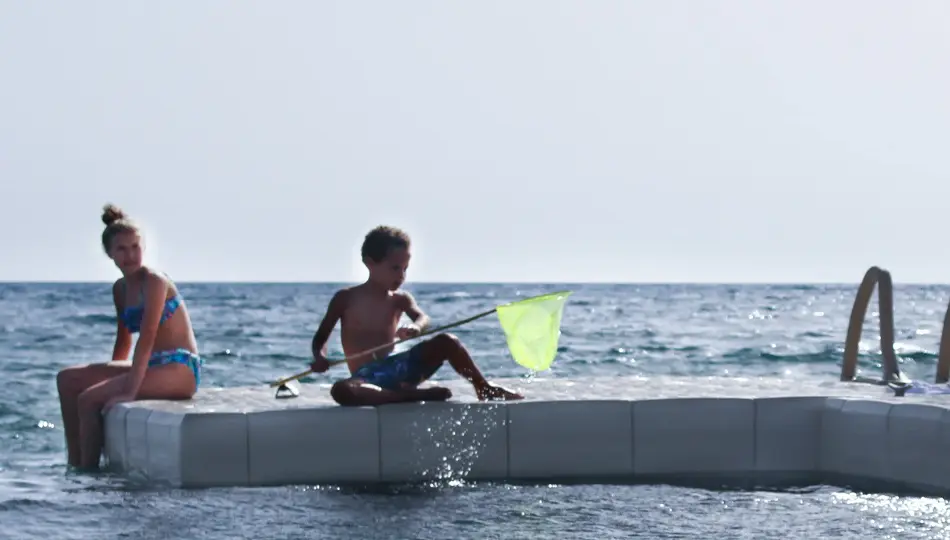
Long-term environmental monitoring platforms and solar array mounting rafts constructed from eco-safe polymer compounds.
Read Case Study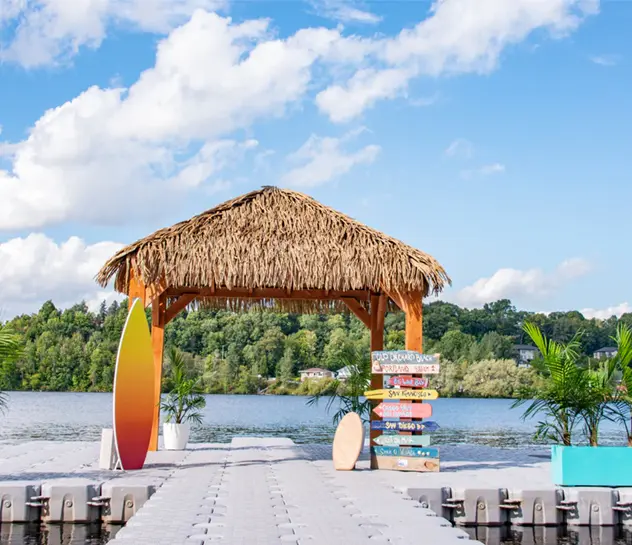
Temporary structural bridges and performance platforms with dynamic load balancing, certified for high-density pedestrian traffic.
Read Case Study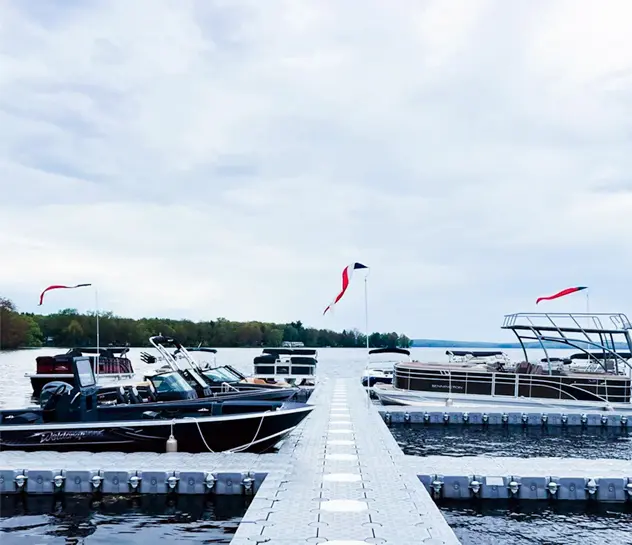
Durable HDPE platforms providing maintenance access to fish cages and feeding systems, resistant to chemical algae cleaners.
Read Case Study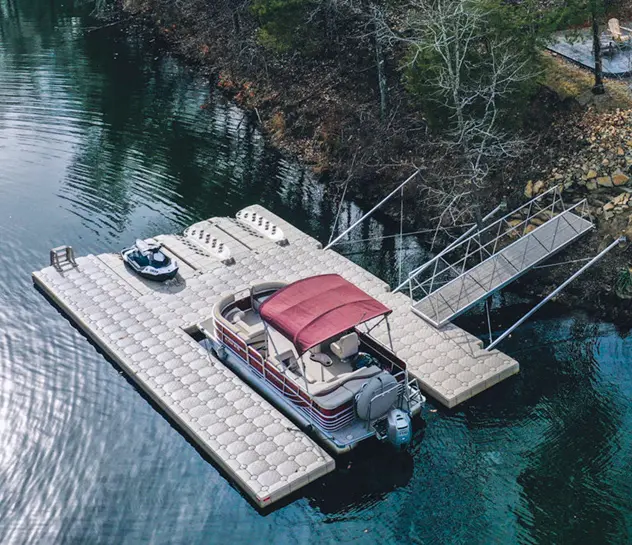
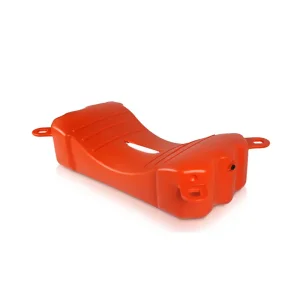
Integrated U-shaped and V-shaped dry-docking elements that allow quick vessel boarding while preventing hull scraping.
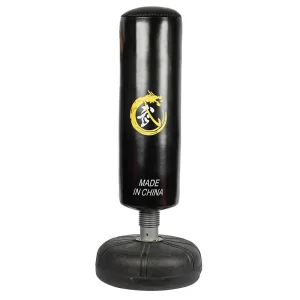
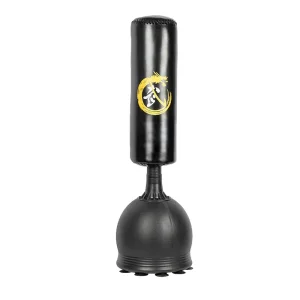
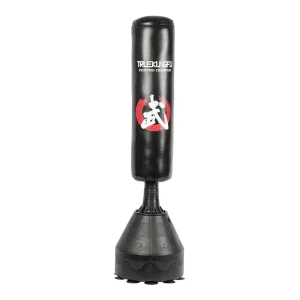
Read Case StudyShenghuang also manufactures commercial sport utility products, such as our boxing training sandbags and custom-weighted bases, utilising Taizhou's raw plastic engineering infrastructure.
Detailed technical specifications, environmental limitations, and logistical information regarding our modular docking platforms.
The modular configuration of our floating cubes disperses wave kinetic energy more effectively than rigid, single-piece wooden or steel structures. In typhoon conditions, the dock flexes along its pin connectors, reducing shear stress on any single point. Performance during extreme weather events depends on using a suitable anchoring design, such as heavy-duty marine piles or concrete weights paired with elastic ropes. Our customers report excellent survival rates in zones impacted by severe coastal storms.
Yes. For regions lacking active distributors, Shenghuang manages direct container shipments from our Taizhou facility to your nearest sea port or local freight terminal for pickup. Our sales team prepares all documentation (commercial invoices, bills of lading, and conformity certificates) to streamline customs procedures in destination ports.
Yes. The dock can remain installed year-round in freshwater and saltwater environments. The molecular structure of our HDPE prevents brittle failure at low temperatures. Furthermore, the sloped profile of the individual cubes allows the platform to rise up on top of expanding ice sheets rather than being crushed by lateral forces.
The main risk associated with ice is water flow and movement. If water freezes solid and melts gradually without heavy current, you can leave the dock in the water. However, if your location experiences moving ice floes during spring thaws, these can crush or sweep away any floating structure. In such environments, we recommend disconnecting and towing the modular platform to a protected bay or hauling it onto land before the seasonal freeze.
For stable walking platforms, gangways, or fingers, the layout should be at least three cubes wide (approximately 1.5 meters). This width provides stable buoyancy distribution that balances body weight and prevents tipping when someone walks near the outer edges.
Yes. Unloaded, the modular units draw only 5 to 10 cm (2 to 4 inches) of water. During low tide, the platform can safely rest on sandy or muddy bottoms. When designing a drive-on dock, ensure there is sufficient depth at the entry end so the craft's stern does not hit the bottom when backing off.
Our manufacturing facility launched its modular floating dock production lines in 2019. We have grown to become a leading supplier of blow-molded products in China, serving distributors, marine contractors, and industrial operators globally.
Complete your facility setup with our commercial-grade accessories, sandbag systems, and heavy-duty blow-molded bases.
 ShengHuang