Explore our premium range of blow-molded industrial-grade floating systems and training equipment.
Over the past two decades, the global marine construction industry has shifted from traditional heavy-footprint materials like treated timber, concrete, and structural steel to highly engineered modular thermoplastics. Classic wood structures decay under continuous marine exposure, leaching toxic chemical sealants into sensitive aquatic ecosystems. Concrete and steel options require substantial installation machinery, carry immense carbon footprints, and suffer from irreversible corrosion in saltwater environments.
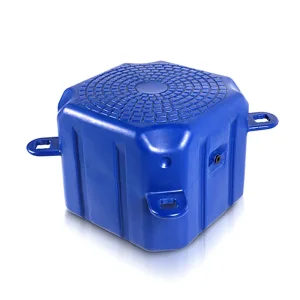
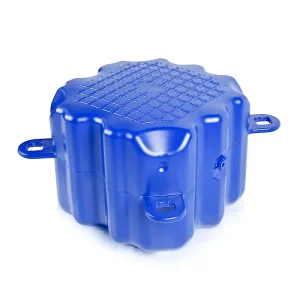
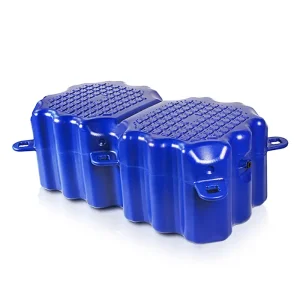
The contemporary standard demands modularity, chemical inertness, high buoyancy-to-weight ratios, and total recyclability. High-Density Polyethylene (HDPE) processed via advanced blow-molding has emerged as the premier material for offshore and inshore water control structures. These structures adapt fluidly to rising tides, variable wave surges, and heavy mechanical loading while maintaining an operational lifespan exceeding 15 years without toxic outgassing or structural degradation.
As governments globally enforce strict environmental impact guidelines for coastal developments, engineers rely heavily on modular HDPE pontoons. Their modular design allows light penetration to preserve aquatic micro-ecosystems below the walking platforms, a design element that traditional solid docks can never achieve.
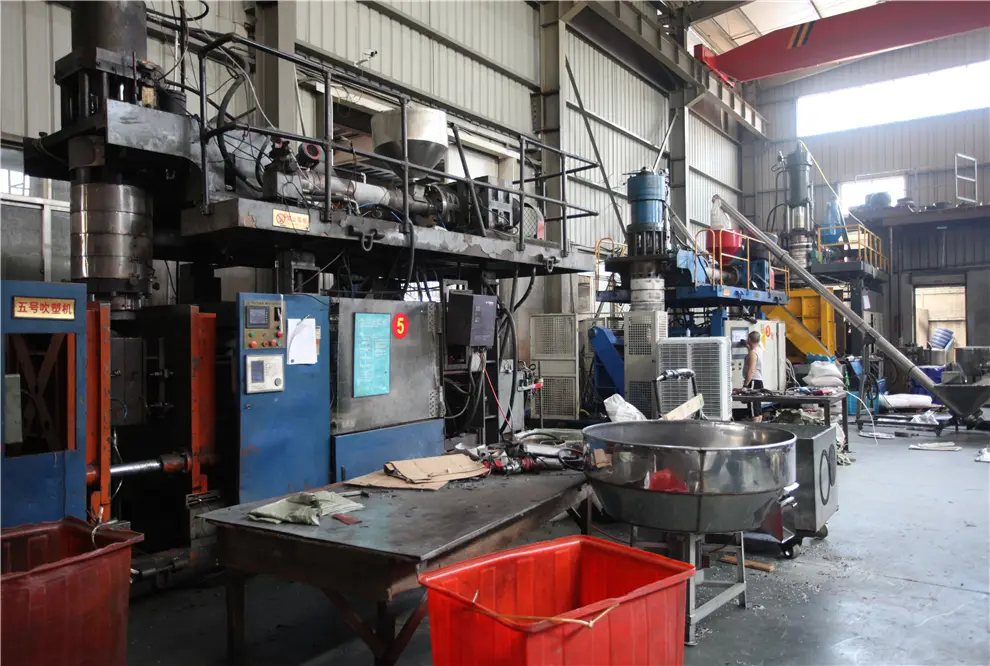
State-of-the-art blow molding line at Shenghuang Industrial Facility
Delivering high-precision manufacturing, material innovation, and strict ISO 9001 compliance since 2019.
Founded in 2019, Shenghuang Industrial & Trade Blow Molding Factory has quickly risen to prominence as a trusted innovator in the thermoplastic blow-molding industry. Headquartered in Huangyan, Taizhou, Zhejiang province—the globally recognized epicentre of mold development and plastic manufacturing infrastructure—we leverage advanced regional supply chains to deliver high-quality products at competitive price points.
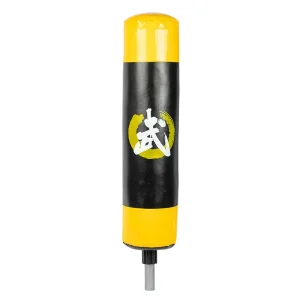
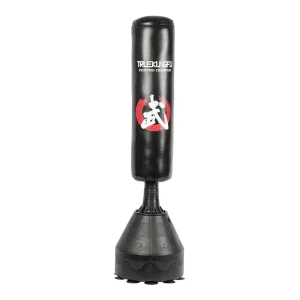
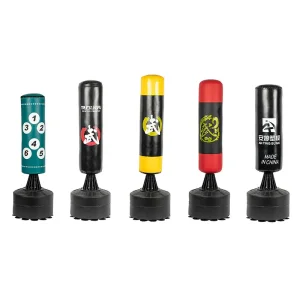
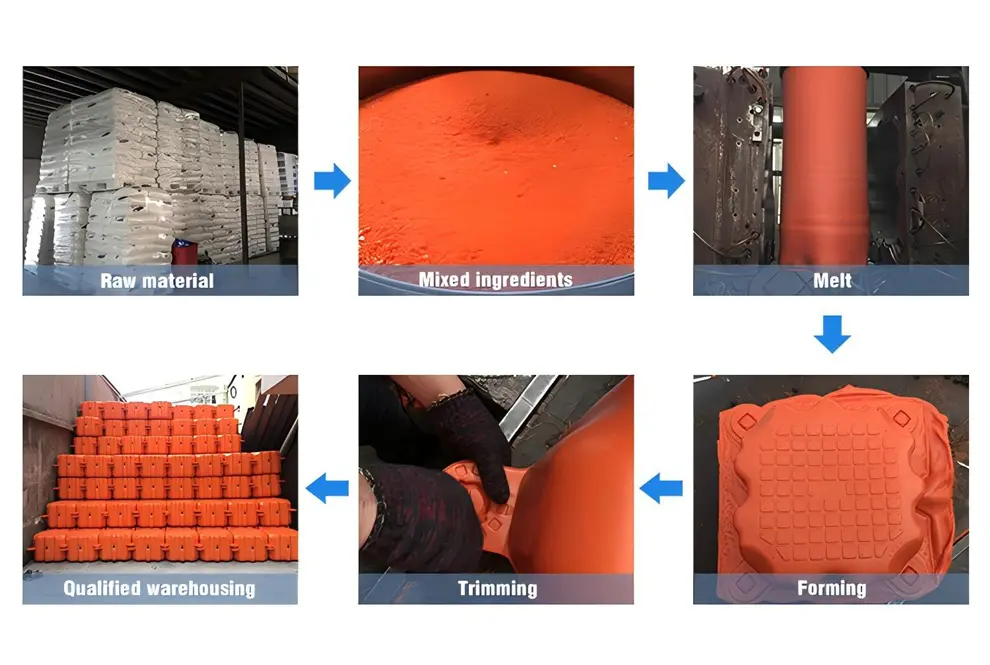
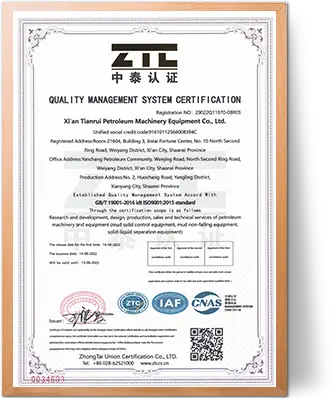
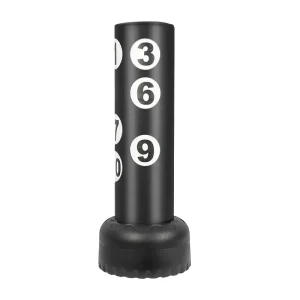
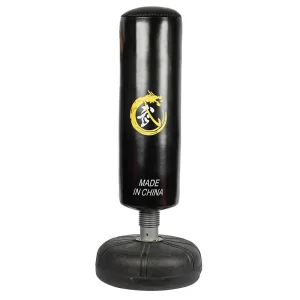
Our production facilities feature automated, high-output blow molding machinery designed to produce high-precision, heavy-duty industrial components. Our diverse portfolio spans modular water pontoon systems, environmental containment solutions, automotive parts, custom-molded storage structures, and high-performance training equipment like boxing sandbags. Operating strictly under the ISO 9001 quality management framework, we inspect all stages of production—from raw material testing to final product pressure limits—to guarantee performance consistency.
By investing heavily in modern material science, our dedicated R&D division works continuously to formulate custom polymer blends. These efforts ensure elevated UV resistance, enhanced flexibility under sub-zero temperatures, and superior tensile strengths to meet specialized marine and industrial needs.
Raw material quality verification and polymer performance testing


Understanding supply challenges, compliance requirements, and specification alignments for international projects.
Projects near oceans or protected reserves require environmental approvals. Our non-leaching, non-toxic HDPE structures meet global ecological safety standards.
Sourcing teams prioritize materials with high UV-8 rating additives to prevent solar degradation, embrittlement, and discoloration in tropical marine environments.
Large infrastructure developers require custom load points, unique anchoring options, and colors to match branding, all handled through our ODM design services.
Modular systems cut transportation volume. Our self-nesting block layouts reduce ocean freight costs by maximizing shipping container space.
How modular pontoon systems adapt to various commercial marine and environmental scenarios.
High-Density Polyethylene floating systems serve as stable walkways and working platforms for commercial fish farms and kelp farms. They support heavy harvesting equipment while withstanding exposure to salt water and biological buildup.
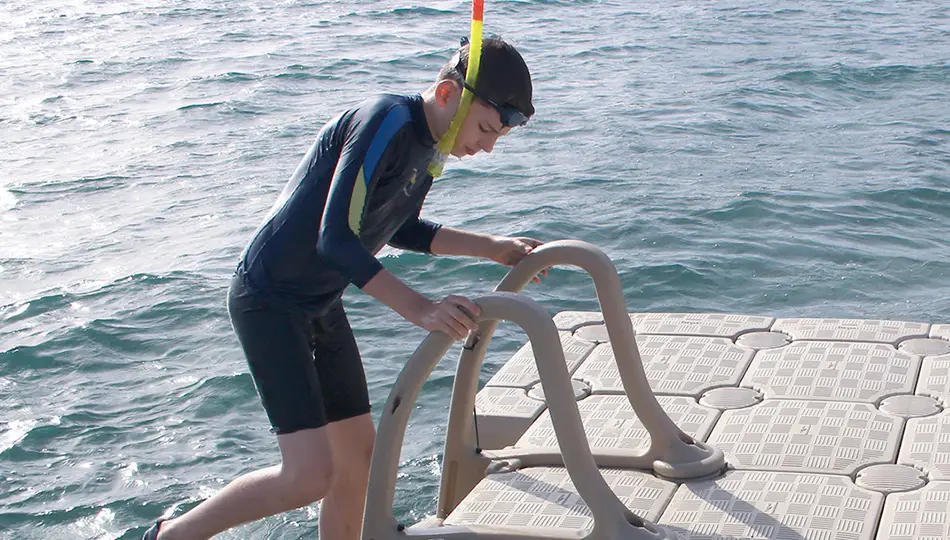
For floating stages, modular event decks, and public access walkways, our pontoons provide a stable, anti-slip surface. With a high load capacity of 300kg/m², they ensure safe pedestrian traffic for public events.

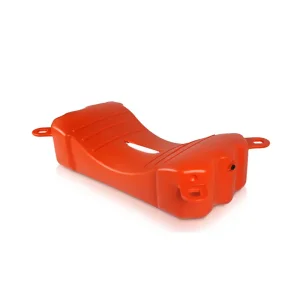
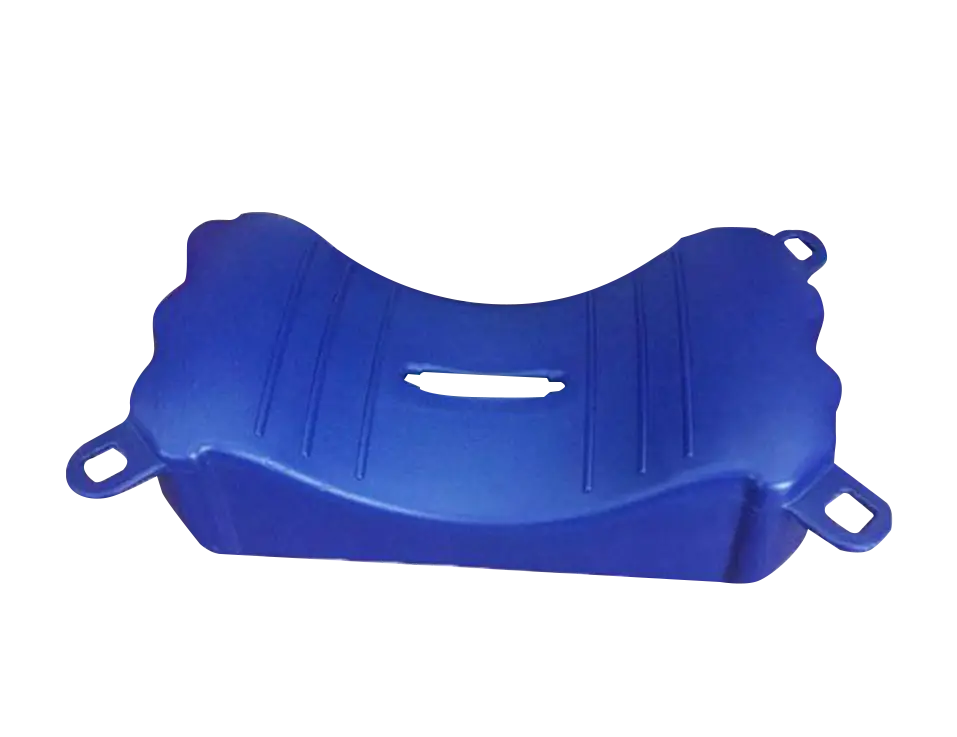
Featuring specialized U-shaped and V-shaped contours, our modular docking blocks let watercraft drive directly onto the dry dock surface, protecting hulls from marine growth and hull fatigue.
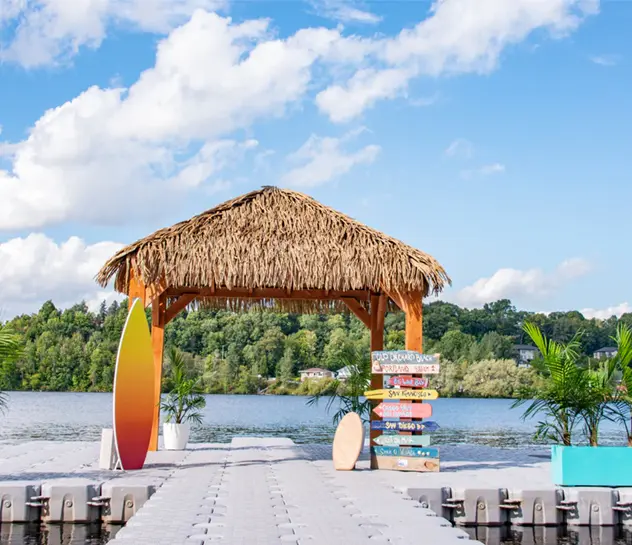
These modular bridges link bodies of water, allowing equipment, pipelines, and personnel to cross eco-sensitive wetland preserves without damaging the terrain below.
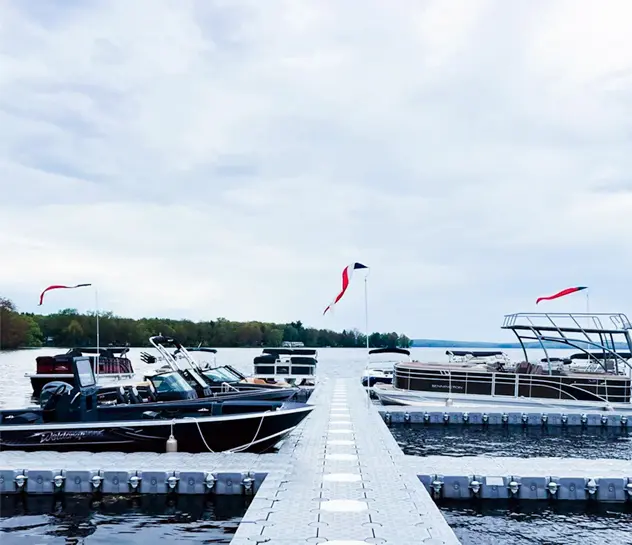
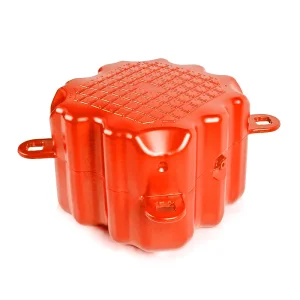
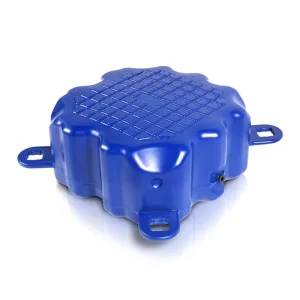
Our top-performing modular blocks specified by engineering teams worldwide.
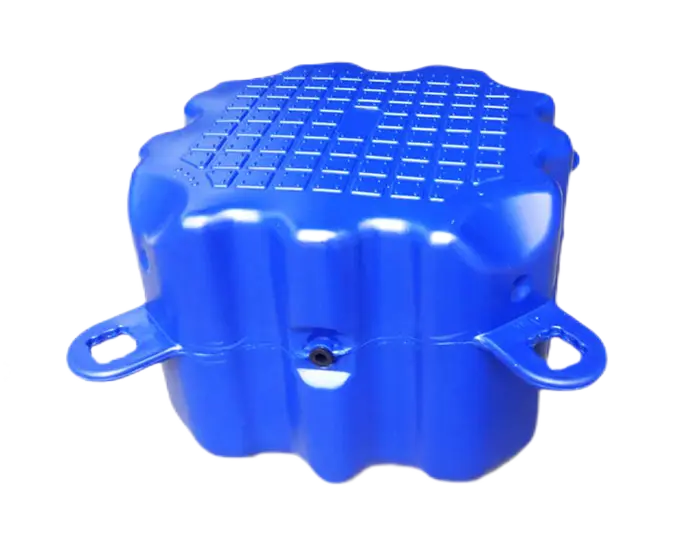
At Shenghuang Industrial, we focus on sustainable manufacturing by incorporating recyclable materials and reducing waste throughout our production cycle. Our R&D team works to lower energy consumption and improve material efficiency, ensuring compliance with global environmental regulations.
Our long-term developmental roadmap is built on two primary technological goals:
As international coastal projects navigate stricter ESG requirements, Shenghuang is prepared to supply certified eco-friendly modular structures that help developers meet green building and engineering goals.
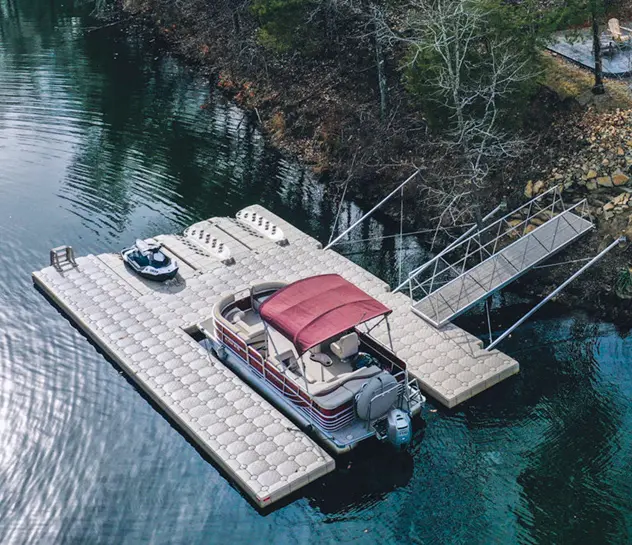
Durable, non-leaching HDPE modules deployed in eco-sensitive freshwater reserves
In-depth structural and installation answers compiled by our marine technical team.
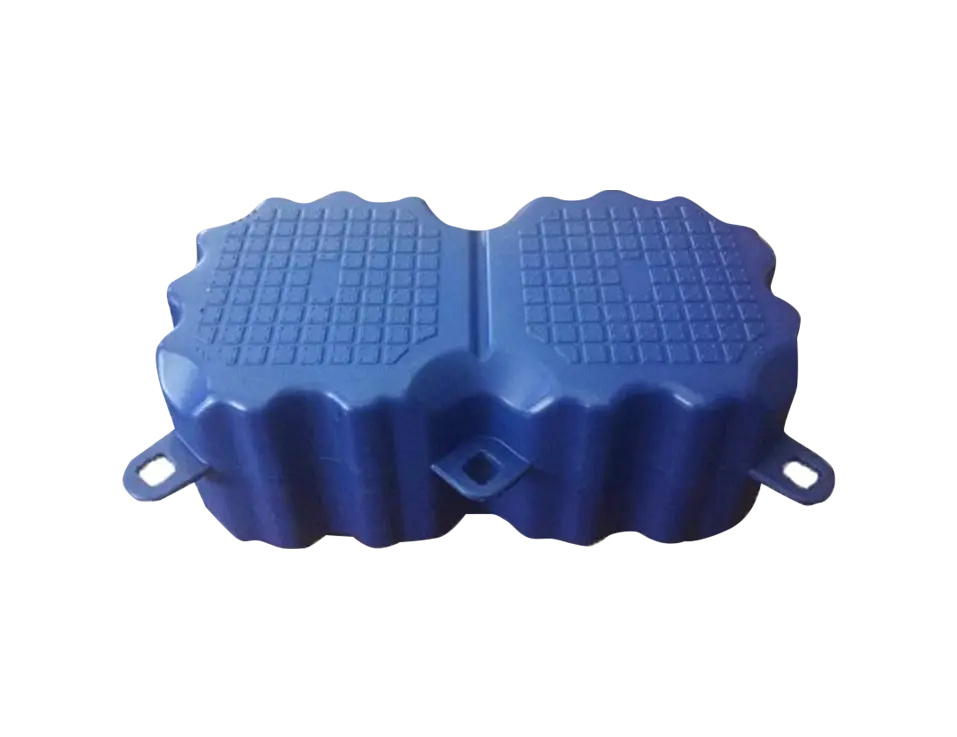
Our modular HDPE floating dock system performs exceptionally well in typhoons and severe weather events. Thanks to the flexibility of individual interlocking cubes, the dock moves with the waves rather than resisting them, dispersing kinetic wave energy throughout the grid. Combined with robust anchoring accessories, these installations have successfully withstood major storm surges. We recommend reviewing anchoring parameters with our engineers based on your site's local wind and current profiles.
Yes. In regions without an active local dealer, we coordinate direct factory shipments to your nearest seaport or freight terminal. Our logistical team manages customs clearances and documentation to ensure smooth delivery, and we provide assembly guides and structural maps to support on-site installation.
Absolutely. The dock system can remain in the water year-round, including in ice. The tapered shape of each modular cube helps the dock slide upward to rest on top of forming ice sheets, protecting the system from compression damage. However, this is only recommended in water without moving ice flows, as large moving ice sheets can shear and damage any dock structure.
The main factor to consider is water flow. In static water bodies, the dock simply rises above the ice as it freezes. However, if your site experiences moving ice sheets during the spring thaw, the kinetic energy of large, drifting ice blocks can damage the structure. In areas with significant moving ice, we recommend removing the system before the freeze begins.
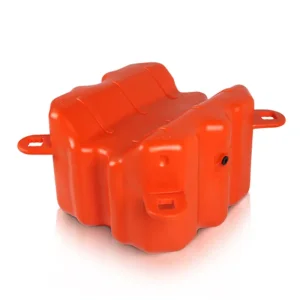
For a stable public walkway, gangway, or finger pier, we recommend a minimum width of three cubes (approximately 1.5 meters). With each modular cube providing balanced buoyancy of up to 200 to 300 kg/m² depending on configuration, a three-cube-wide platform offers a stable, secure walking surface that limits roll and pitch when carrying pedestrian weight.
Yes. The modular cubes draw only 5 to 10 cm (2 to 4 inches) of water when unloaded. The dock can safely rest directly on the seabed or riverbed during low tide, provided there are no sharp rocks or debris that could puncture the plastic. For drive-on docks, ensure there is sufficient water depth at the rear of the ramp to allow watercraft to back off cleanly.
Our production facilities launched floating dock manufacturing in 2019, quickly becoming a leading supplier in China. We continue to provide high-quality modular docking systems, custom blow-molded products, and dedicated ODM/OEM support for marine projects worldwide.
We supply modular systems and custom blow-molded products to international distributors and enterprise clients.









Browse our complete catalog of industrial modular pontoon blocks and custom HDPE accessories.
 ShengHuang