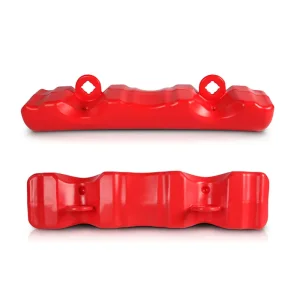
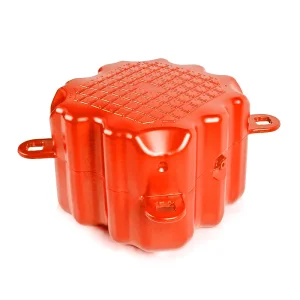
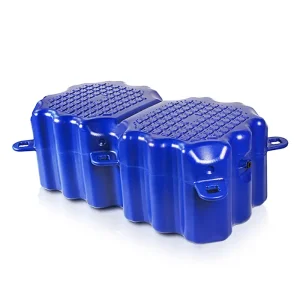
Explore our premium selection of blow-molded industrial pontoons, customized sandbag anchor systems, and marine accessories engineered for reliable infrastructure.
In modern marine civil engineering, waterfront operations require adaptable infrastructure. The shift from stationary, heavy concrete structures to modular floating dock systems is accelerating globally. These high-density polyethylene (HDPE) configurations serve critical roles in industrial ports, aquaculture zones, tourist marinas, public parks, and flood mitigation corridors.
The rise of marine tourism, together with severe weather events driven by climate change, has altered how developers design waterfront facilities. Traditional wood and metal structures are vulnerable to rot, rust, and structural failure under load changes. In contrast, modular floating systems feature an interlocking layout that distributes shear stress and buoyancy forces dynamically. This makes them highly effective in locations subject to tides, storm surges, or seasonal freezing.
Additionally, modern modular docks are increasingly used in ecological restoration projects, floating solar arrays (FPV), floating helipads, and water monitoring stations. Industrial buyers now demand configurations that support clean installation processes without heavy machinery, minimizing disruption to sensitive aquatic ecosystems.
Successful commercial installations depend on accurate customization. A factory's ability to offer both OEM and ODM paths is key to meeting varied project requirements:
Founded in 2019, Shenghuang Industrial & Trade Blow Molding Factory has established itself as an innovator in the plastic blow molding industry. Headquartered in Huangyan, Taizhou, Zhejiang—a manufacturing hub famous for mold engineering and plastics processing—the company has grown into a trusted supplier of high-quality blow-molded products across several sectors, including packaging, automotive components, environmental applications, and marine infrastructure.
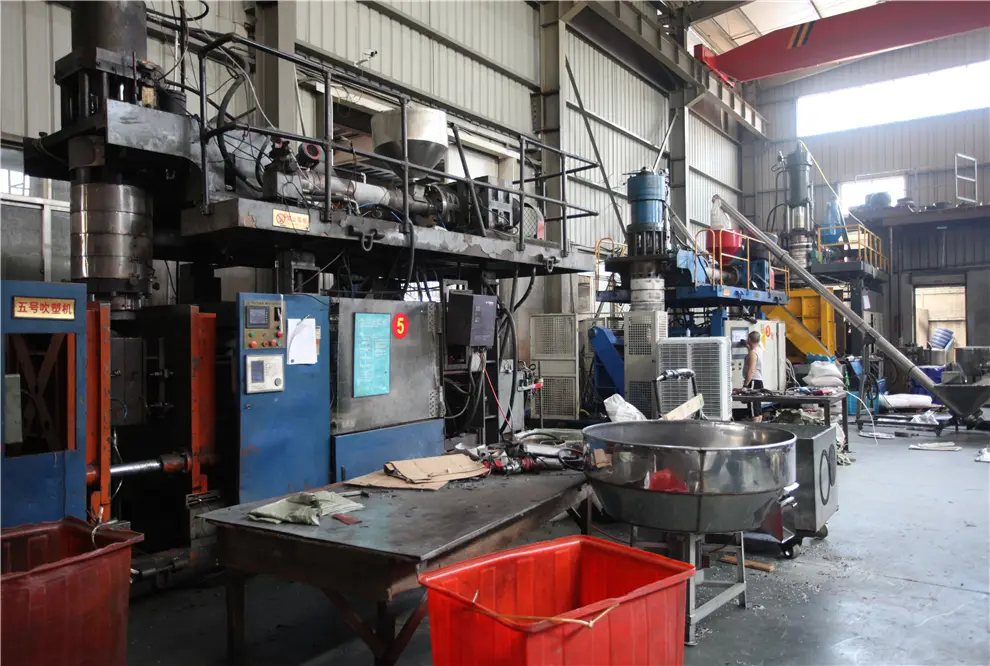
Equipped with state-of-the-art automated blow molding production lines, the factory specializes in precision-molded structures like heavy-duty marine pontoons, sports training bases, and customizable storage accessories. These automated lines ensure high-precision control over wall-thickness distribution, resulting in uniform structural integrity and impact resistance. All operations strictly adhere to the ISO 9001 Quality Management System, from raw material inspection to UV-stabilizer formulation and final load-bearing tests.
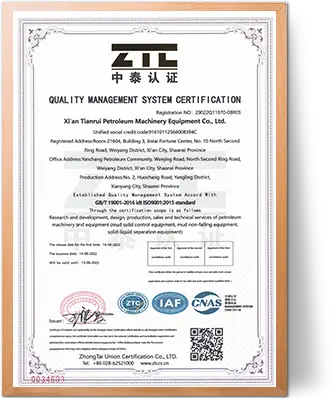
Our commitment to international quality standards is backed by globally recognized regulatory and quality certificates:

Guarantees standardized quality control processes across all manufacturing lines.
Certified non-toxic, food-safe high-density polyethylene for sensitive waters.

Strict quality and workplace safety parameters verified annually.
Procuring modular floating docks from Taizhou, Zhejiang, provides global buyers with notable competitive advantages. Our regional manufacturing ecosystem integrates raw material sourcing, mold fabrication, product blow molding, and shipping logistics into a streamlined supply chain.
With Huangyan's extensive mold-making heritage, our tooling R&D team can develop custom molds in half the time of Western competitors, allowing for rapid prototyping of bespoke floating docks and sporting bases.
We use premium HDPE blended with advanced UV stabilizers and anti-aging agents. This ensures our floating docks resist UV degradation, color fading, and chemical corrosion in both marine and industrial environments.
Our proximity to Ningbo and Shanghai ports simplifies sea freight shipping, allowing us to deliver container loads of modular components efficiently to global hubs.
We combine advanced production machinery with environmental responsibility. The factory uses energy-saving blow molding technology to minimize carbon emissions while maintaining high output precision.
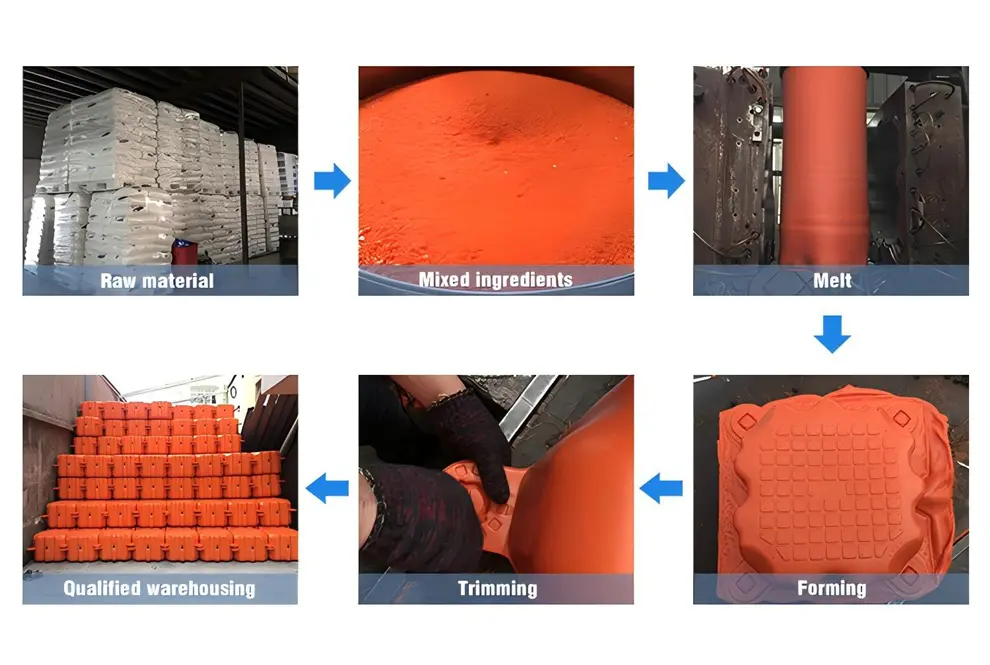
Shenghuang's engineering solutions are deployed across multiple water configurations and recreational facilities around the world:
Provides stable walkways and work platforms that do not leach chemical contaminants into clean pond waters.
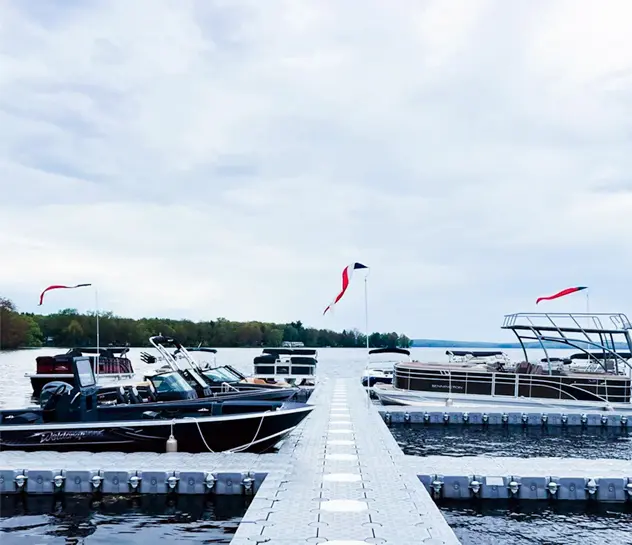
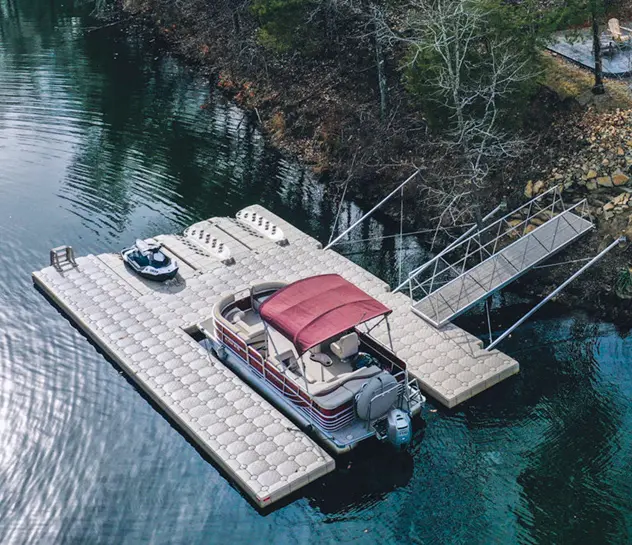
Single, twin, and U-shaped docks facilitate easy launching, mooring, and servicing of leisure craft.
Temporary floating stages and temporary pathways for large-scale waterfront public festivals and events.
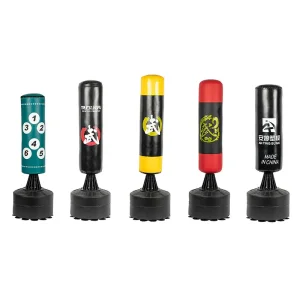
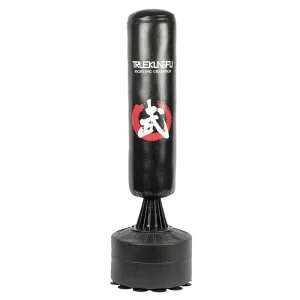
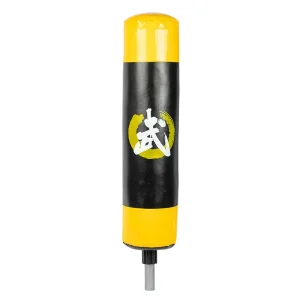
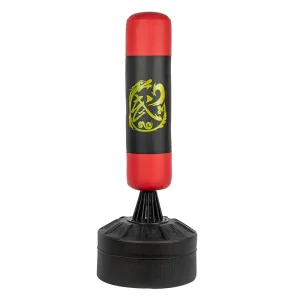
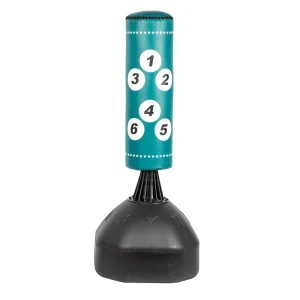
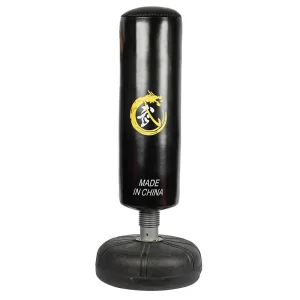
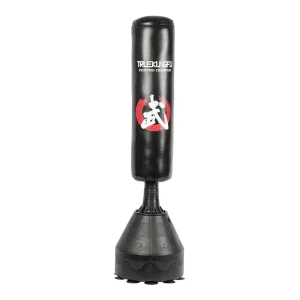
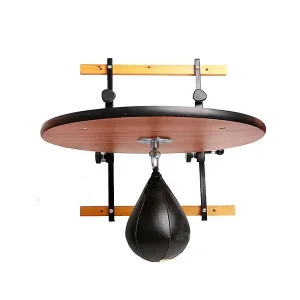
We leverage our blow molding expertise to manufacture heavy-duty training equipment, including boxing sandbags with high-capacity weighted bases.
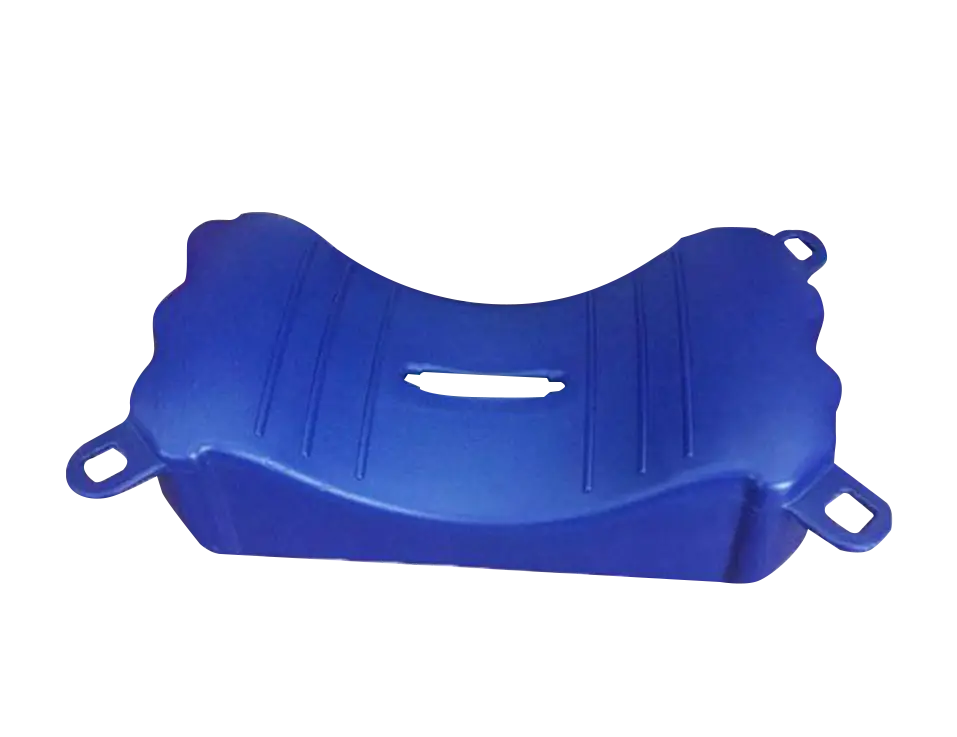
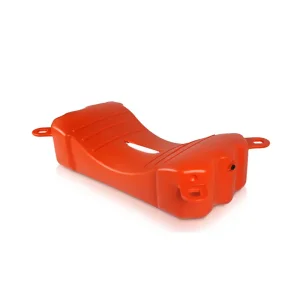
U Floating Dock
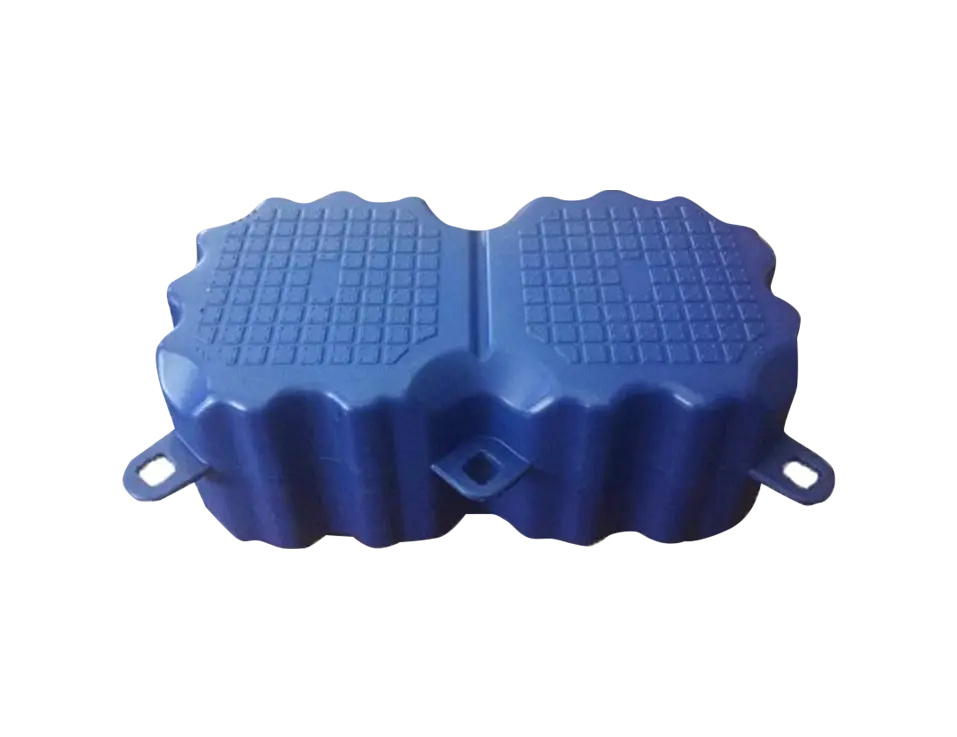
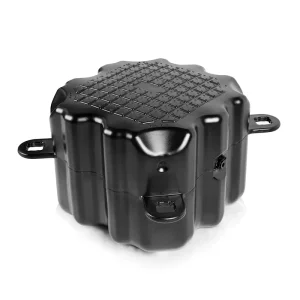
Twins Floating Dock
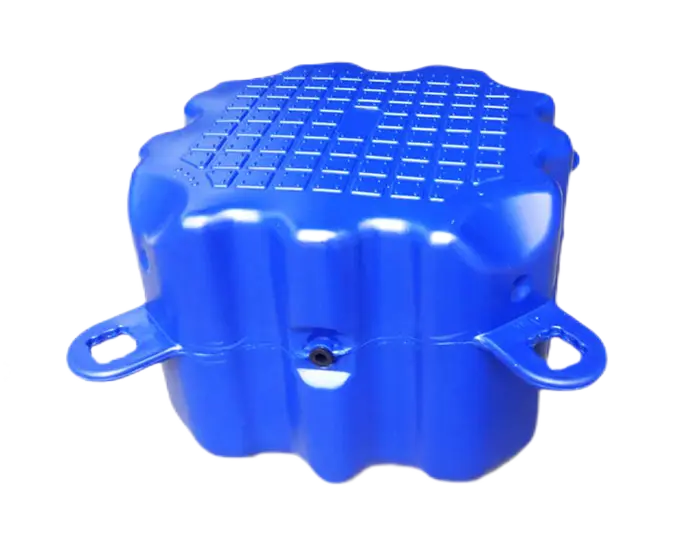
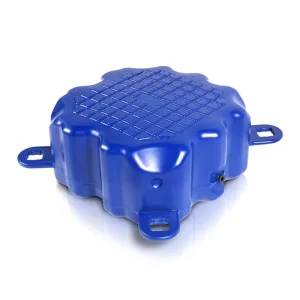
Single Floating Dock

Technical performance data, weather resistance, and operational parameters for engineers and logistics coordinators.








Browse the remainder of our specialized line, including twins-type floating docks, low-profile pontoons, and weighted sport bases.
 ShengHuang