Explore our premium factory-direct ODM & OEM marine pontoons and specialized athletic bases manufactured under ISO 9001 quality guidelines.
In modern marine logistics and leisure dock management, structural reliability and environmental adaptability are the twin pillars of operations. The shift from traditional concrete or treated timber structures toward modular High-Density Polyethylene (HDPE) systems has accelerated globally. These systems, colloquially termed "Jet Docks," provide unprecedented flexibility for personal watercraft (PWC) ports, commercial vessel berths, floating solar arrays, and high-load training setups.
As a leading industry hub, the Huangyan, Taizhou manufacturing region in Zhejiang, China has established itself as the global capital for advanced plastic extrusion and blow molding technology. Factories here combine robust polymer chemistry with high-capacity engineering pipelines to produce modular structures that can withstand maritime forces from freezing ice sheets to Category 4 typhoon waves.
Understanding the polymer physics behind high-strength pontoon assembly systems.
Founded in 2019 in Huangyan, Taizhou, Zhejiang—the epicentre of global mold manufacturing—Shenghuang Industrial & Trade Blow Molding Factory has built its reputation on strict quality assurance. Through automated high-capacity blow-molding lines, we regulate material cooling cycles to avoid micro-fractures in the inner walls of our floating structures.
Every stage of production—from primary resin compounding to structural integrity test cycles—adheres closely to ISO 9001 requirements. Our products comply with environmental regulations worldwide, keeping chemical leaching at zero to safeguard fragile marine ecosystems.
• ASTM D1693 Environmental Stress-Cracking Resistance (ESCR)
• CE & ISO 9001 Certified QA Process
• Eco-Safe Non-Toxic Material Assessment Certificate
A comparative structural overview of standard blow-molded modular pontoon systems.
| Modular Type | Dimensions (L x W x H) | Net Buoyancy | Material Compounding | Key Applications |
|---|---|---|---|---|
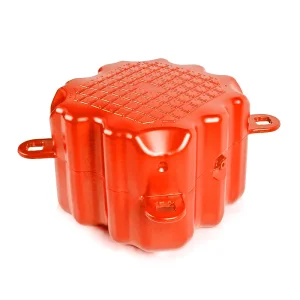
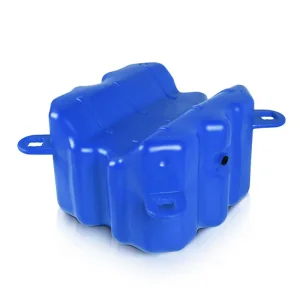
| Single Floating Dock Cube | 500mm x 500mm x 400mm | ≥ 350 kg/m² (single layer) | Virgin HDPE + UV Inhibitor-15 | Pedestrian walkways, floating platforms, marine events |
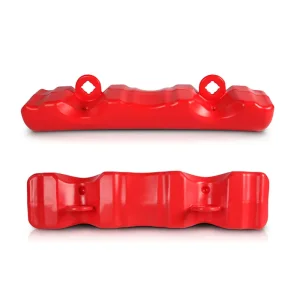
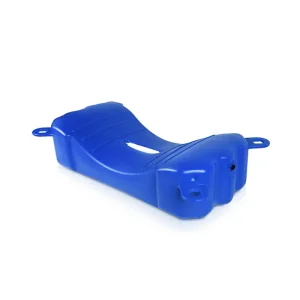
| U-Floating Dock (Jet-Ski Port) | 1000mm x 500mm x 300mm | ≥ 200 kg/m² | High Flexural Modulus HDPE | Drive-on PWCs, Jet-Skis, small boat slipways |
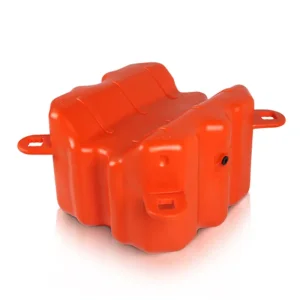
| Twins Floating Dock Cube | 1000mm x 500mm x 400mm | ≥ 350 kg/m² | Reinforced UV Resistant HDPE | Industrial heavy cargo platforms, boat slips |
| Buoy & Accessory Modules | Customized Configurations | Varies based on design | Medium to High Density Polyethylene | Marine channel markers, mooring systems, aquacultural barriers |
How modular engineering answers complex maritime, civic, and athletic infrastructure challenges.
Facilitating temporary harbor assembly, freight unloading rafts, and scientific research platforms in demanding locations. Our HDPE compositions prevent biological adherence, minimizing upkeep costs for remote teams.
Creating safe berths for high-value speedboats and PWCs. The modular drive-on system enables users to park watercraft dry and secure, keeping hulls clean and safe from continuous marine growth.
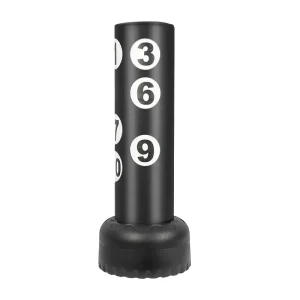
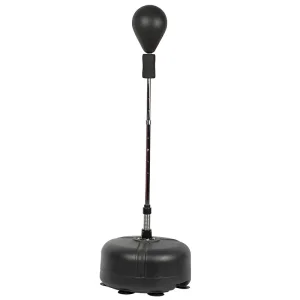
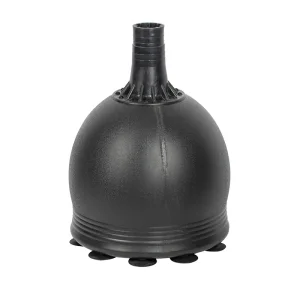
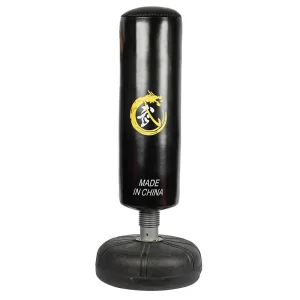
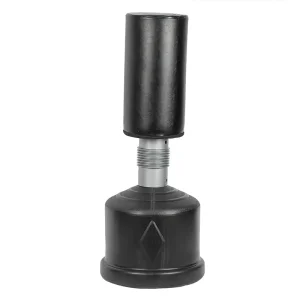
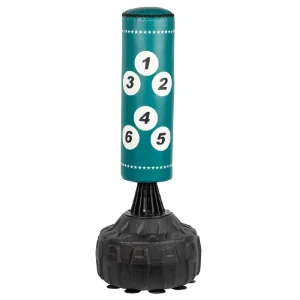
Combining marine polymer engineering with heavy fitness equipment production. Our factory leverages structural blow molding for high-stability sports bases (like standard 77kg boxing sandbag bases), offering diverse industrial molding.
Global procurement specialists face multiple logistical challenges, including balancing material grade standards against delivery timelines. By working directly with factories in Taizhou, Zhejiang, procurement managers gain direct access to a mature industrial ecosystem. This geographical cluster consolidates mold engineering, raw monomer procurement, and automated manufacturing in one place.
This integration yields clear advantages:
The floating infrastructure market is changing rapidly due to new environmental regulations and smart technologies. Industry-wide trends include:
1. Bio-based & Circular Polymers: High-density polyethylenes are shifting toward post-consumer recycled resins (PCR) and bio-based plastics. These materials maintain structural capacity while cutting carbon footprints by 40%.
2. Smart Anchorage Systems: Advanced marinas are adopting telemetry-monitored mooring lines that track stress loads, wave impact, and movement in real time.
3. Solar Integration: The demand for Floating Photovoltaic (FPV) platforms is rising globally. Lightweight HDPE pontoon designs are engineered specifically to host heavy solar panels on reservoirs and industrial water treatment areas.
Direct engineering answers on installing, preserving, and scaling modular HDPE systems.
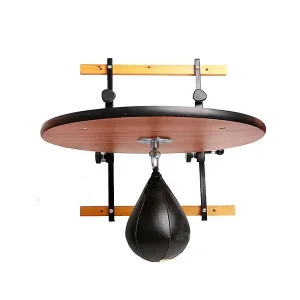
Explore our secondary line of heavy training gears and custom HDPE configurations.
 ShengHuang