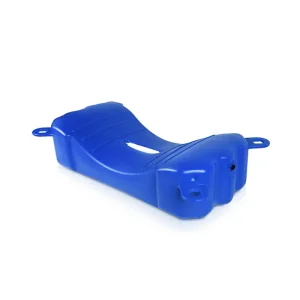
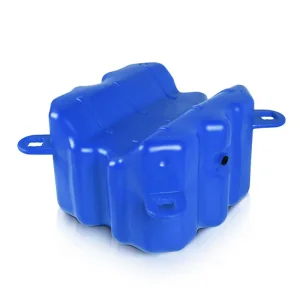
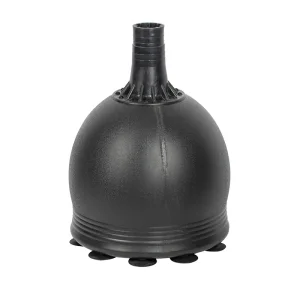
Factory-direct commercial-grade HDPE pontoons, custom configurations, and anchoring modules.
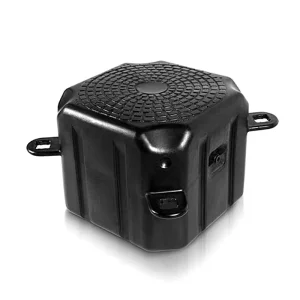
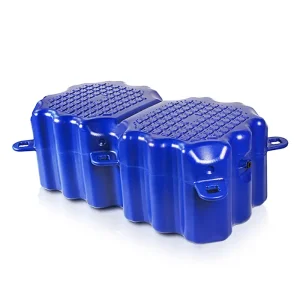
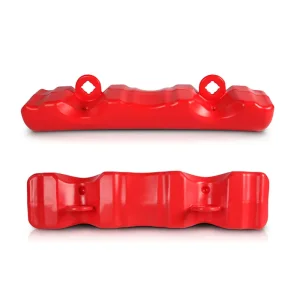
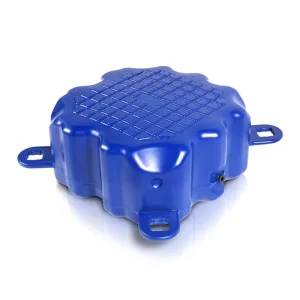
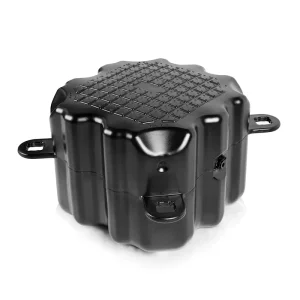
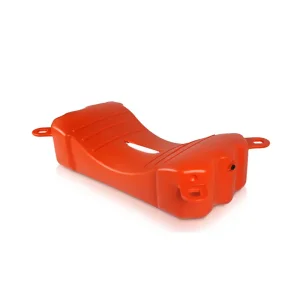
Shenghuang Industrial & Trade Blow Molding Factory: Pioneering Modular Ponton Engineering
Founded in 2019, Shenghuang Industrial & Trade Blow Molding Factory has rapidly positioned itself as a leading innovator in the plastic blow molding and marine infrastructure industries. Headquartered in Huangyan, Taizhou, Zhejiang province—a global epicenter renowned for its highly developed industrial molds, manufacturing infrastructure, and supply chain clusters—the enterprise delivers world-class custom blow-molded solutions. Our comprehensive portfolio addresses critical engineering demands across diverse sectors, including commercial aquaculture, eco-tourism, industrial floating platforms, and heavy-duty environmental containment.
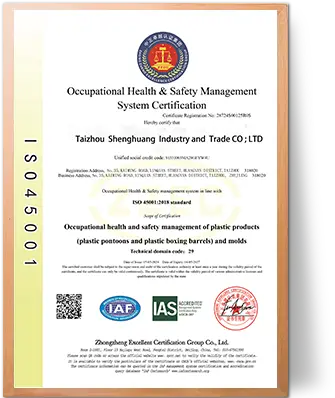
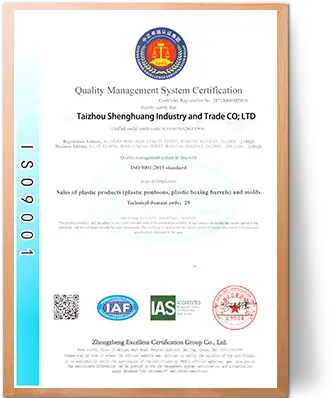
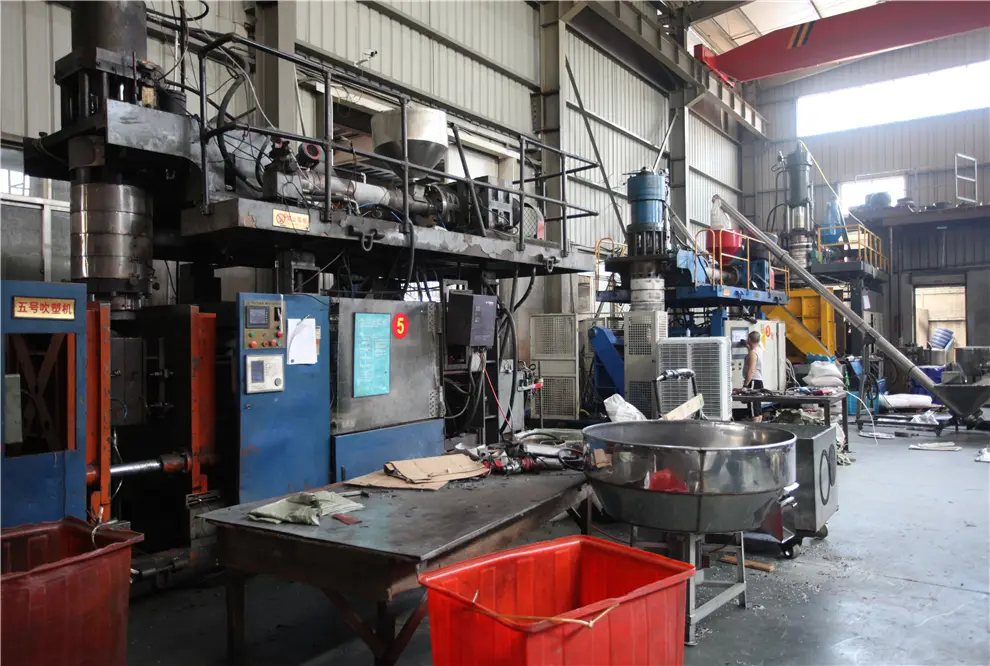
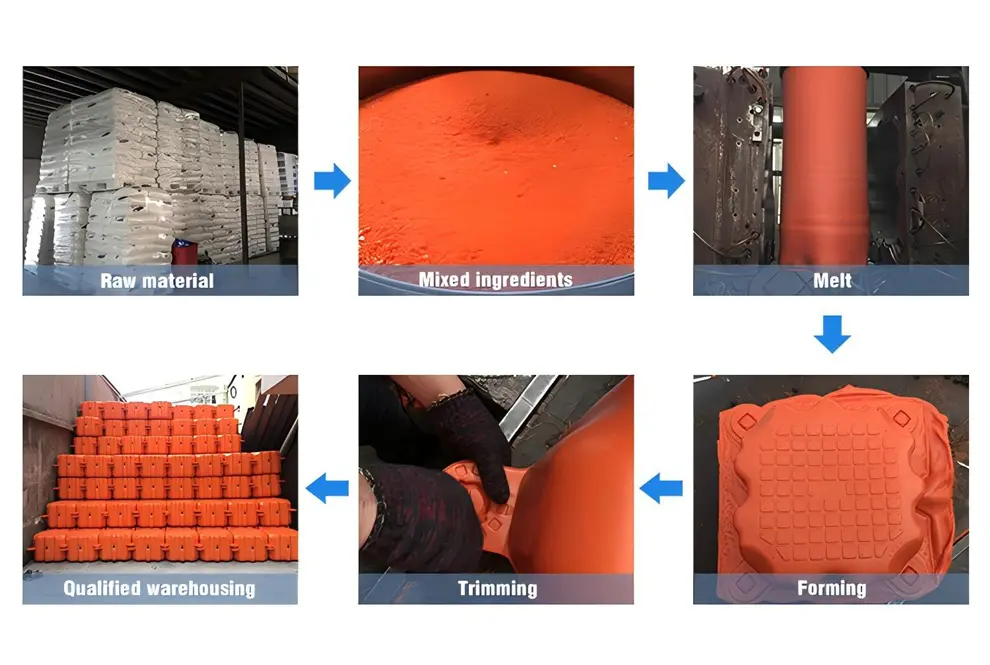
Equipped with state-of-the-art automated blow molding production lines, Shenghuang ensures micro-precision repeatability and high-volume stability for complex structural parts. We produce an expansive suite of commercial-grade plastic solutions, including heavy-duty industrial containers, specialized blow-molded tanks, modular floating pontoons (pontons), automotive components, and custom-engineered blow-molded configurations. Operating under strict conformance with the ISO 9001:2015 Quality Management System, every facet of our operations—from high-density polyethylene polymer procurement to final static loading and environmental stress-cracking resistance (ESCR) analysis—conforms to the highest international standards.
Why marine contractors and global sourcing executives select our modular ponton structures.
Our dedicated structural and chemical engineering teams focus on high-performance polymers, custom blow-molding tooling, and load-distribution design to meet complex commercial requirements.
We use 100% recyclable High-Density Polyethylene (HDPE) along with eco-friendly stabilizers, which significantly lowers environmental footprints while meeting REACH and RoHS compliance standards.
Advanced, high-output blow molding equipment delivers consistent wall thickness and minimizes internal stress points, ensuring stable performance under severe weather conditions.
We provide full-lifecycle technical support, from conceptual marine architectural design to local customs compliance, logistical routing, and on-site assembly guidance.
Sourcing efficiency, logistical supremacy, and raw material integration
Our strategic position in Huangyan, Taizhou allows us to leverage local precision tooling expertise. This integration helps minimize prototyping phases and reduces custom mold fabrication times by up to 40% compared to international competitors.
Proximity to Ningbo and Shanghai ports provides streamlined shipping routes, reducing transport lead times and securing cost-effective ocean freight rates for high-volume enterprise orders.
Through direct partnerships with petrochemical suppliers, we secure premium grade, UV-resistant HDPE. This guarantees batch consistency and protects our clients against volatility in global materials markets.
Ensuring operational compliance and structural integrity in sensitive marine environments
For modern marine engineering projects, procurement extends beyond mere structural load ratings. Floating structures must operate within strict municipal and environmental frameworks. Shenghuang's modular floating systems are designed and tested to withstand extreme maritime stresses while meeting strict ecological safety criteria.
Traditional treated lumber and steel ponton structures pose environmental risks due to chemical leaching or oxidation. Our modular HDPE pontoons provide an inert, corrosion-resistant alternative. They do not leach toxic chemicals, heavy metals, or halogenated compounds into marine habitats, making them suitable for drinking water reservoirs, shellfish farming zones, and sensitive coastal reserves.
Our design process accounts for the physics of hydro-elastic wave-structure interactions. By calculating deck windage, hydrodynamic drag coefficients, and mooring line tensions, our engineers configure modular systems that remain stable under severe currents and wind speeds. The modular pin-and-lug connection system allows the ponton assembly to flex safely in heavy swells, dissipating torsional strain and reducing structural fatigue.
| Physical / Mechanical Property | Testing Protocol (ASTM/ISO) | Standard Metric Specification |
|---|---|---|
| Density of HDPE Polymer Base | ISO 1183 / ASTM D1505 | 0.952 – 0.958 g/cm³ |
| Ultimate Tensile Yield Strength | ISO 527 / ASTM D638 | ≥ 22 MPa |
| Environmental Stress Cracking Resistance (ESCR) | ASTM D1693 (10% Igepal) | > 1000 Hours (Condition B) |
| Izod Impact Energy (Notched) | ISO 180 / ASTM D256 | ≥ 9 kJ/m² |
| Temperature Range of Application | Industrial Thermal Tolerance | -60°C to +80°C |
| UV Radiation Stabilization Index | Accelerated Weathering (UV20+) | 360 Kly / Level 8 Durability |
Adapting modular platforms to diverse environmental conditions and project scopes
With utility-scale clean energy projects expanding globally, our floating pontoons serve as reliable foundations for floating solar arrays. High chemical resistance ensures stable operation in corrosive environments.
Our platforms are used in commercial shellfish and finfish farming operations. They provide safe work walkways, stable equipment mounting points, and customizable configurations for open-water enclosures.
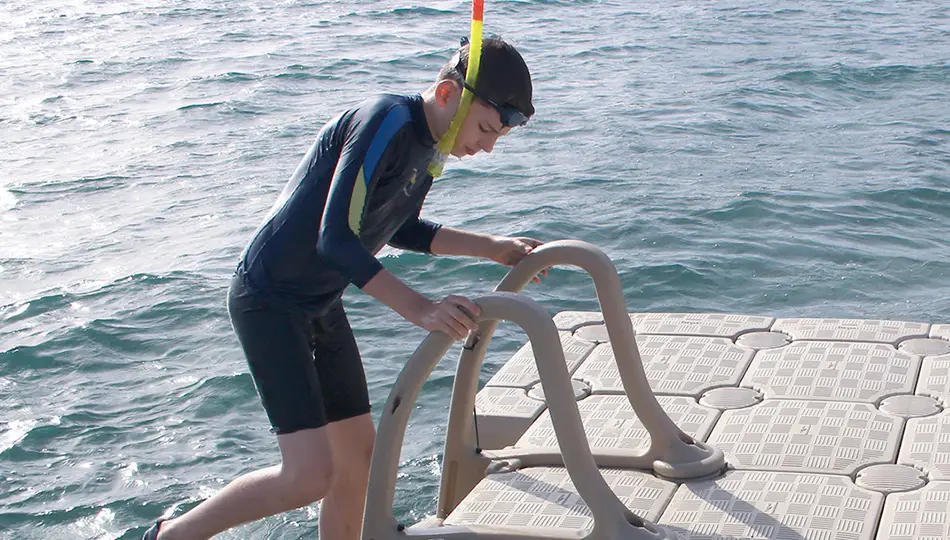
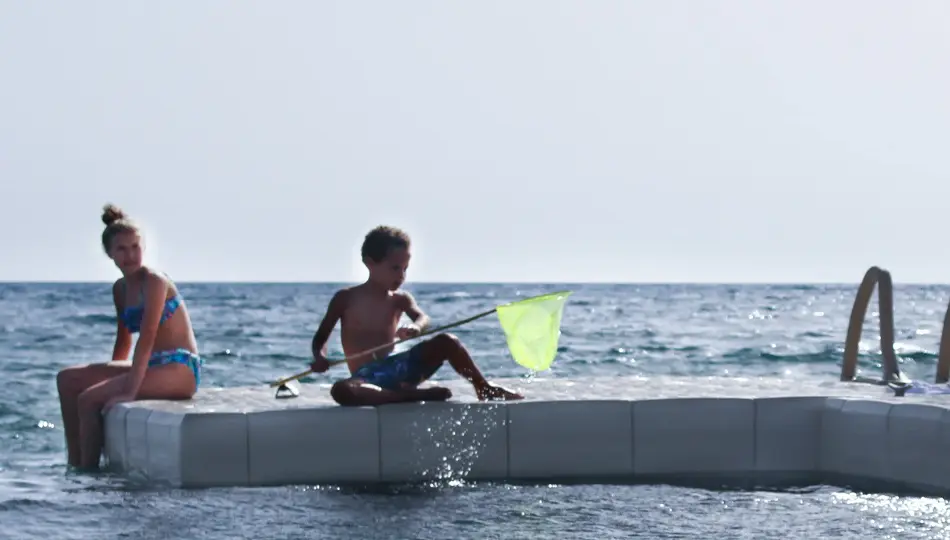
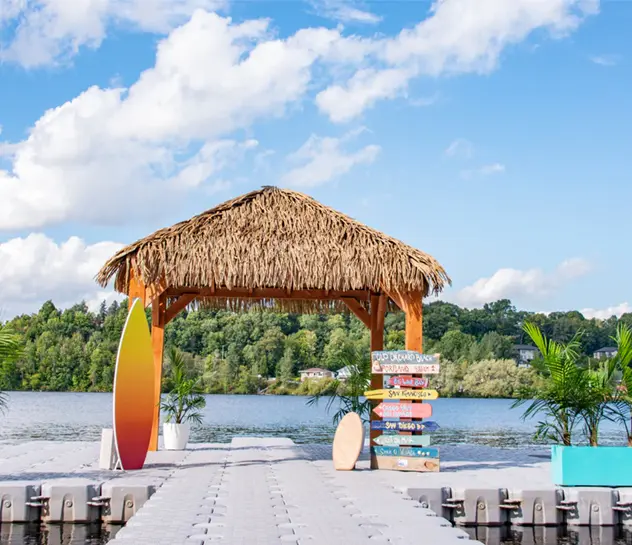
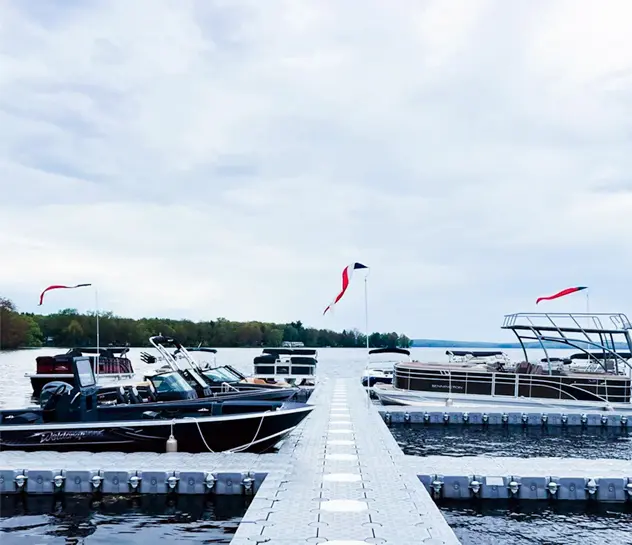
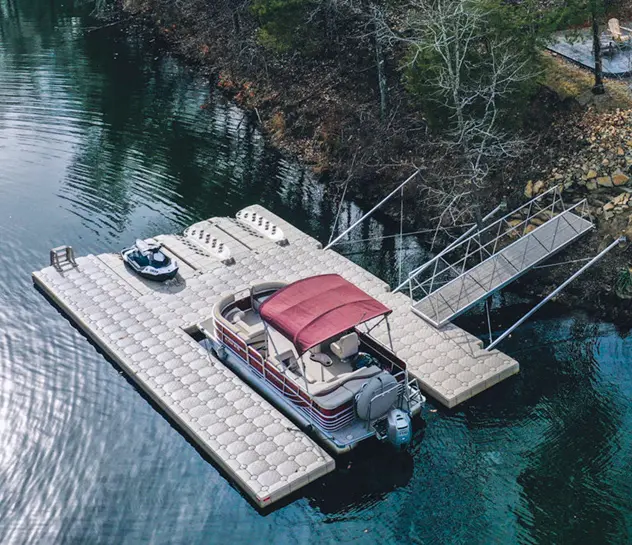
From small public piers to heavy-duty floating helipads and industrial equipment docks, our modular systems handle variable tide changes and keep structures securely aligned.
Anticipating engineering needs, structural integration, and material developments
The global demand for floating infrastructure is accelerating, driven by rising sea levels, urbanization in coastal regions, and the growth of offshore renewable energy. As developers design longer-lasting marine systems, several major engineering trends are emerging:
Modern floating platforms are increasingly equipped with embedded IoT sensors. These sensors monitor mooring line stress, wave action loads, and temperature changes in real-time, enabling preventative maintenance and reducing inspection overheads.
The industry is moving toward circular-economy sourcing models. By utilizing ocean-bound plastics and post-consumer recycled HDPE without compromising physical properties, manufacturers can offer low-carbon products to meet corporate sustainability goals.
Combining lightweight HDPE floats with structural aluminum frames and composite wood decks allows designers to build high-capacity commercial platforms. These hybrid systems support heavy machinery while retaining modular flexibility.
Partnering with global maritime contractors, municipal developers, and supply organizations.








Answers to common structural and logistical questions from engineers, buyers, and project managers
The performance of our modular HDPE floating dock systems during a typhoon depends largely on the anchoring layout and installation design. The modular design of our interlocking cubes allows the platform to flex and bend with wave action, rather than resisting it rigidly. This flexibility helps dissipate the impact energy of strong waves. Our clients report that installations using heavy-duty pile anchors or elastic mooring assemblies have successfully withstood severe typhoon events.
Yes. In regions without a direct local dealer, we coordinate direct factory-to-port or factory-to-door delivery. We ship the modular components compactly in standard ocean freight containers, complete with assembly tools and detailed engineering drawings. This allows local contractors to handle the installation efficiently on-site.
Yes. Our floating pontoon modules are designed to remain in salt or fresh water year-round. The modular HDPE cubes feature angled, smooth base profiles that allow the structure to slide upward and rest on top of forming ice sheets, rather than being crushed by lateral expansion force.
The main risk associated with ice is water flow and ice movement. If the ice melts gradually and dissipates in place, the system can remain in the water without issues. However, if your location experiences heavy spring currents with large, moving ice sheets, the shear forces can damage stationary structures. In these conditions, we recommend detaching the modular platform and storing it on land during the winter freeze.
For a stable walking platform, gangway, or finger pier, we recommend a minimum width of three modular cubes (approximately 1.5 meters). This width helps balance buoyancy across the platform, preventing tipping. Each individual standard cube provides approximately 300 to 350 kg/m² of buoyancy, offering a stable surface for pedestrian use.
Yes. The empty draft of our standard modular cubes is only 5 to 10 cm (2 to 4 inches). They can sit directly on mud, sand, or gravel bottoms during low tide without structural damage. It is important to ensure the water is deep enough at the end of the dock to allow watercraft to back off safely.
Our factory began specialized blow molding production in 2019, leveraging Huangyan's manufacturing infrastructure in Taizhou, Zhejiang. We have grown to become a leading supplier of modular floating docks in China, manufacturing high-buoyancy HDPE systems, fitness accessories, and custom blow-molded industrial products.
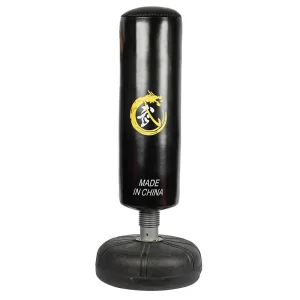
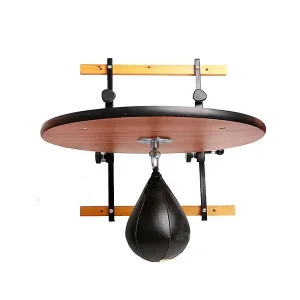
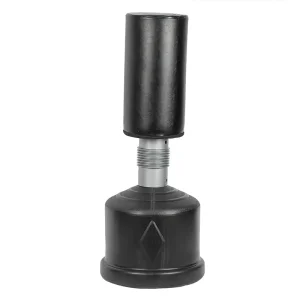
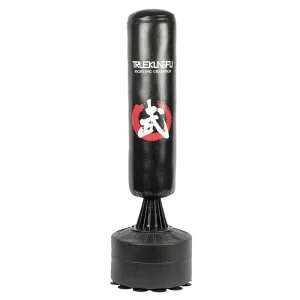
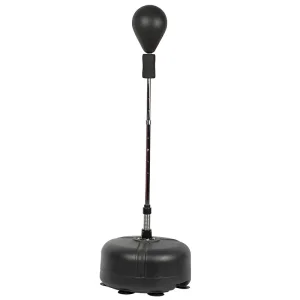
Factory-direct boxing equipment and heavy-duty blow-molded bases manufactured to international standards.
 ShengHuang