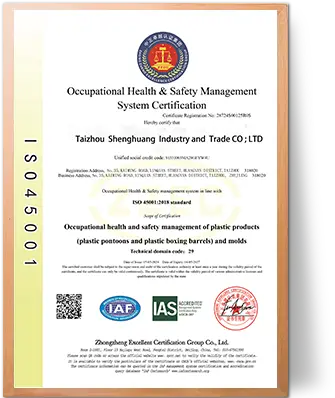
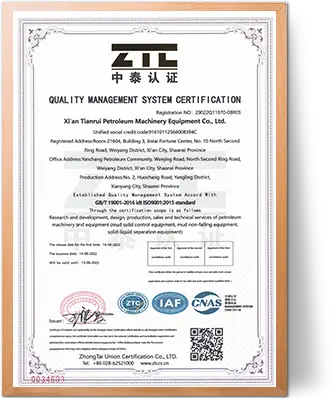
ISO 9001 Certification
CE Declaration of Conformity

Environmental Safety Testing
The global market for floating docks has registered rapid growth in industrial shipping, marine logistics, and aquaculture. Commercial aquaculture relies heavily on high-buoyancy cages to withstand open-ocean stresses, while marine cargo companies utilize temporary offshore platforms to bypass congested port networks. Our supply chain supports distribution across Europe, the Americas, and Southeast Asia.
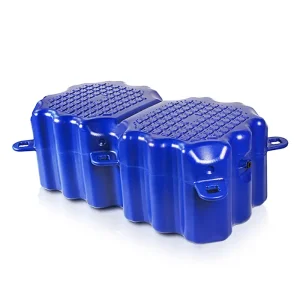
Our green manufacturing strategy is centered around 100% recyclable materials. Traditional treated wood docks release toxic chemicals like arsenic, while steel panels rust and deteriorate over time. In contrast, Shenghuang’s HDPE modular cubes are chemically inert, prevent marine biofouling build-up, require zero painting or coating, and leave zero chemical footprint in vulnerable ocean water columns.
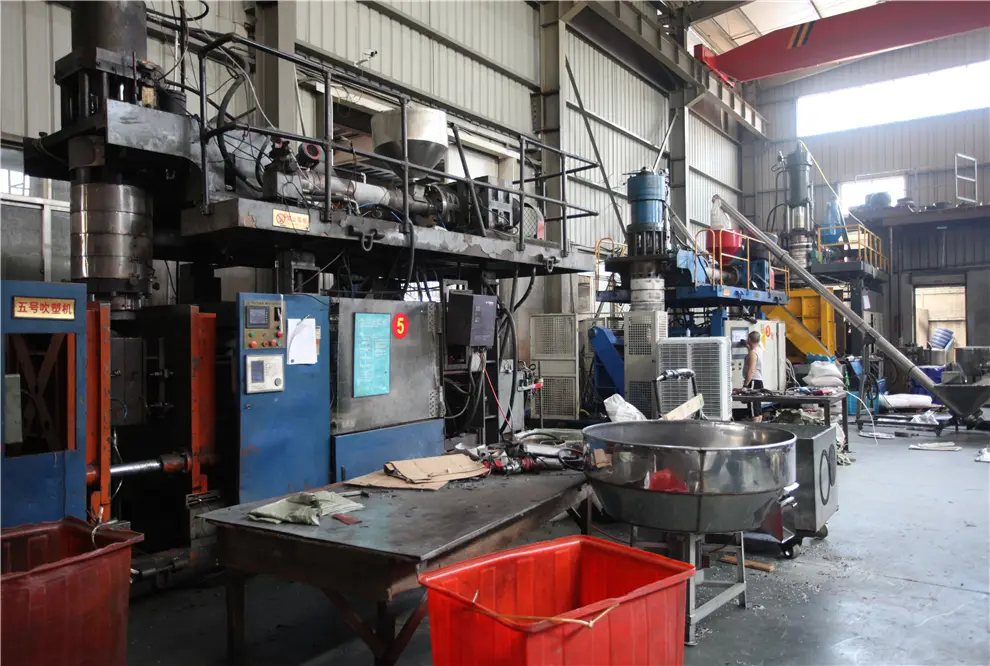
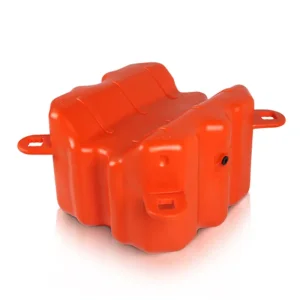
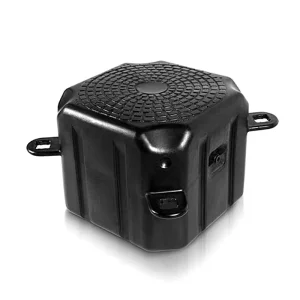
Continuous material control ensures uniform wall thickness across all corners of our floating pontoon modules.
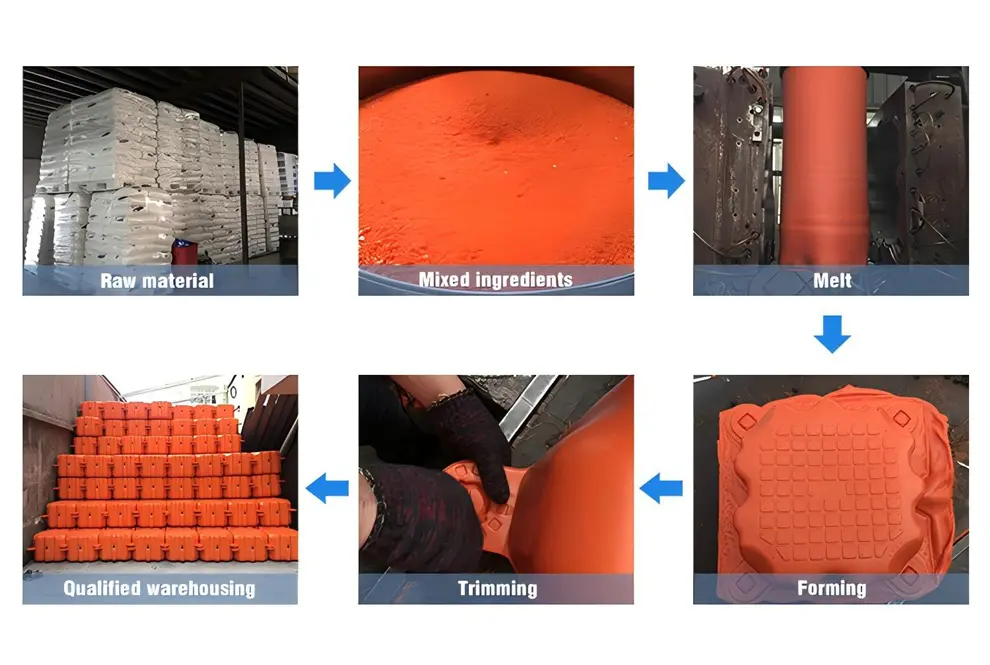
Our state-of-the-art tooling machinery creates structural reinforcements to deliver robust, high-load capacities.
Our sales, customer support, and marine engineering departments are fully aligned to deliver end-to-end guidance from conceptualization through layout and deployment.
Our structural engineers specialize in customizing material formulations, incorporating UV-resistant additives, and developing stress-absorbing connection interfaces.
Our focus centers on state-of-the-art parison controls and thermodynamic cooling configurations to build high-performance products built for circular green systems.
We provide dedicated field supervisors to assist with marine anchoring layout, assembly configurations, and localized compliance support for complex projects.










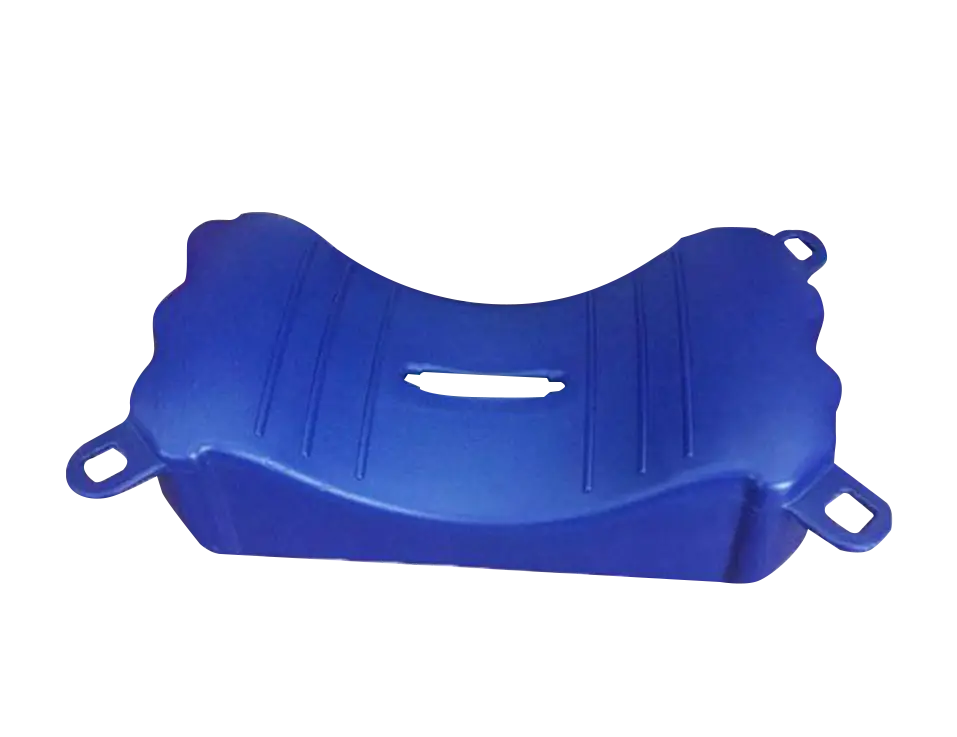
Specifically configured to accommodate personal watercraft (PWCs) and jet-skis, ensuring quick and safe drive-on access.
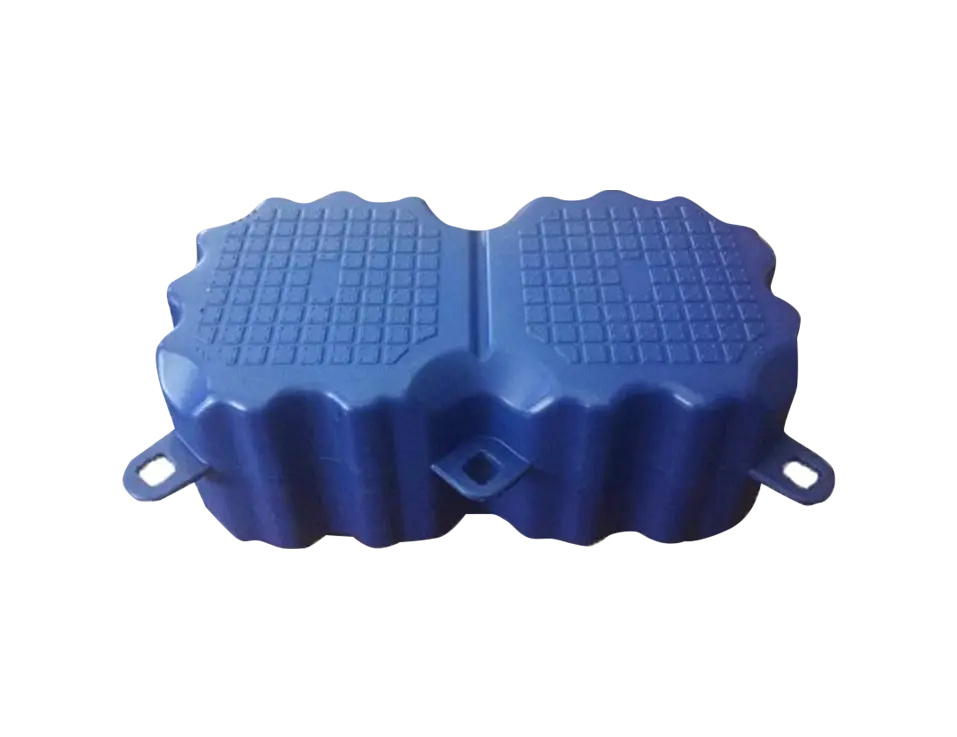
Engineered for heavy-duty applications. Double-height design provides high load bearing stability for heavy gear.
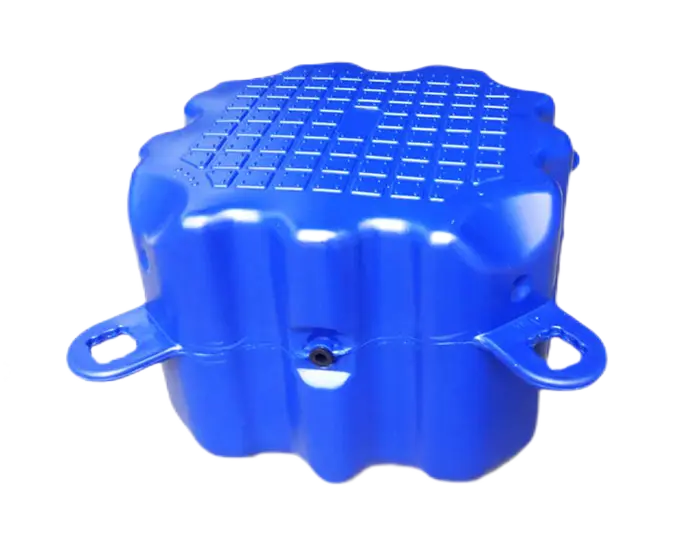
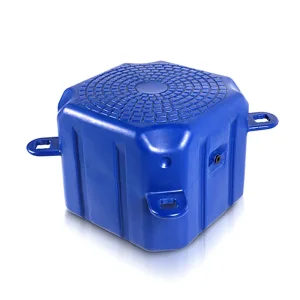
The classic, highly modular unit that acts as the primary building block for customizable ocean pathways and structures.
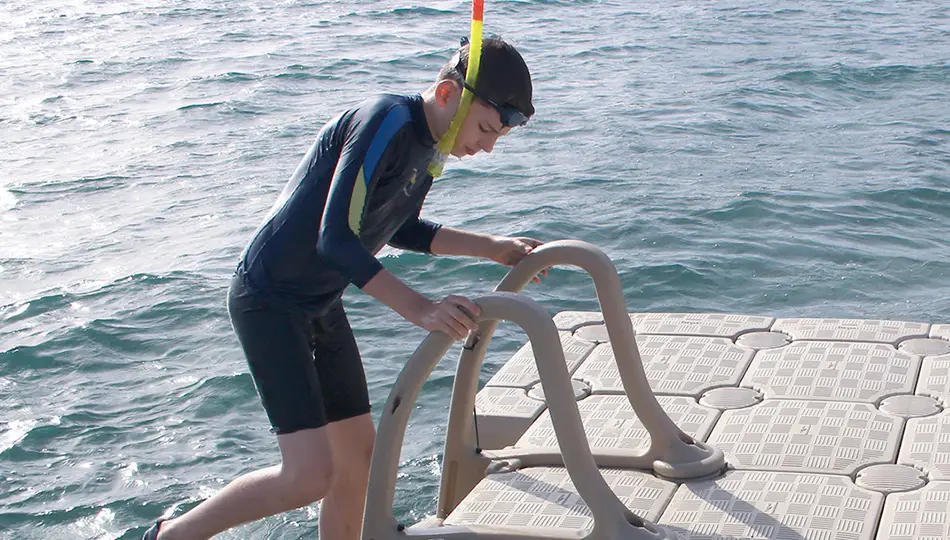
Resistant to saltwater corrosion and algal growth, providing steady pathways around deepwater fish cages.

Custom-configured docks for yachts, boats, and tourist platforms with non-slip surfaces for visitor safety.
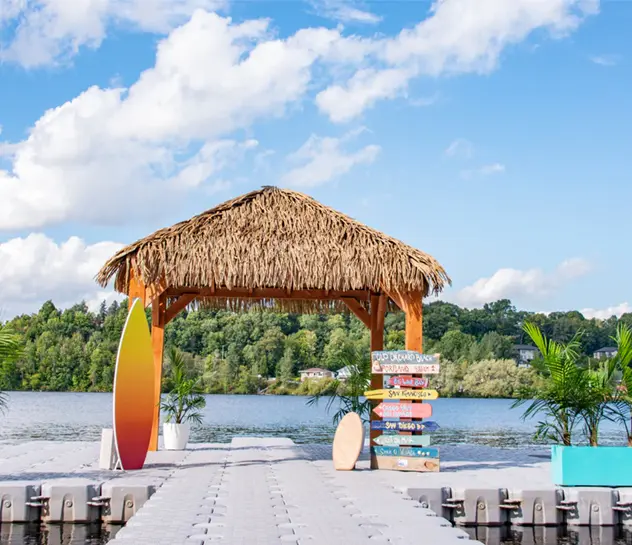
Temporary floating stages, exhibitions, and pathways designed to assemble rapidly and handle high foot-traffic loads.
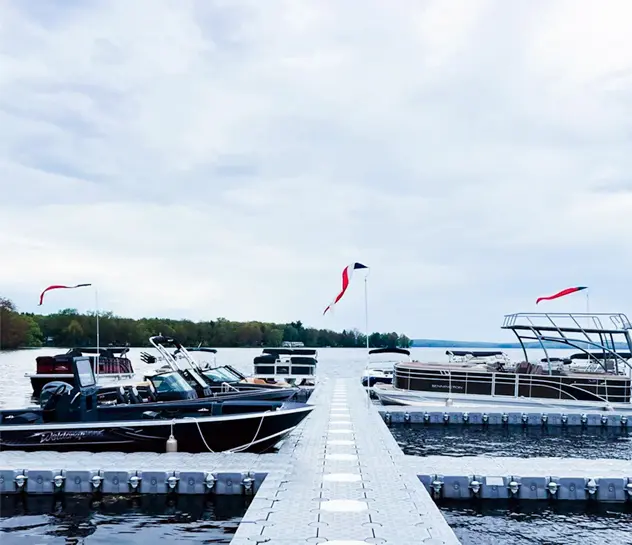
Heavy-duty floating work sites built for machinery maintenance, marine dredging, and diving crew bases.
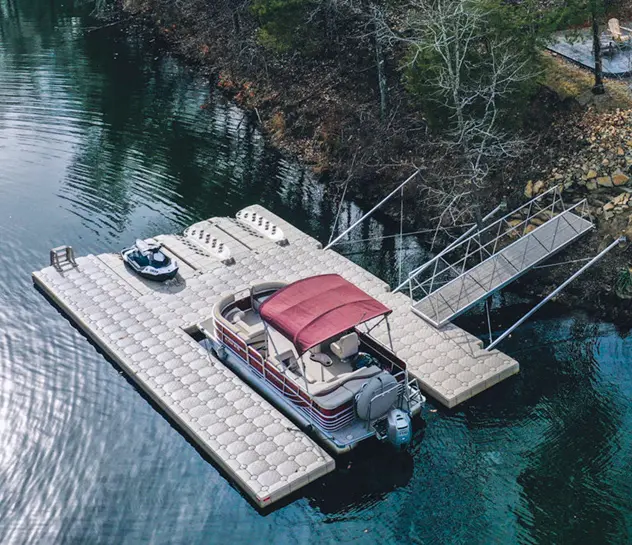
Rapid-response disaster relief floating bridges and helicopter landing platforms for coastal emergency situations.
Incorporating IoT sensors directly into the blow-molding process of selected connection pins. This enables real-time structural health monitoring, logging tidal wave impacts, buoyancy dynamics, and physical structural strain metrics.
Collaborating with polymer laboratories to develop bio-compatible, high-molecular-weight polyethylene composites that maintain structural integrity while minimizing carbon footprints.
Developing self-adjusting anchoring setups designed to feed real-time depth variations back to motorized winches, ensuring optimal tension levels during severe tidal fluctuations and surges.
Helical steel piles are screwed directly into the substrate, offering high resistance to upward pulling forces in areas with sandy or muddy ocean bottoms.
For solid, rocky marine bottoms where drilling is restricted, heavy concrete blocks are positioned on the seafloor to secure the dock via heavy chains.
In nearshore or harbor settings, heavy steel brackets attach the floating platform to existing concrete structures, allowing vertical movement along with tide shifts.
 ShengHuang