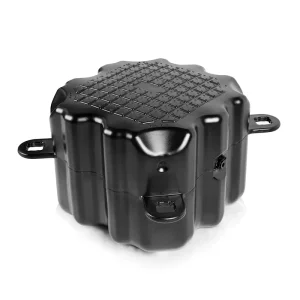
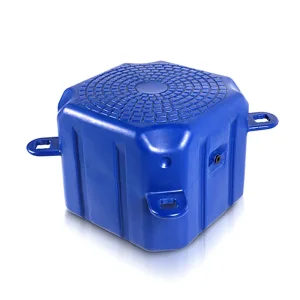
In the contemporary marine infrastructure sector, high-performance, modular floatation systems have completely supplanted traditional concrete and wood decking for commercial, recreational, and industrial application profiles. At the center of this paradigm shift is the development of ODM Floating Dock Boat Lifts, engineered to handle extreme environmental variations while preserving hull integrity and offering adaptive installation geometries.
Commercial enterprises, municipal waterfront development authorities, and large-scale industrial buyers must address distinct variables during the validation phase of an OEM/ODM manufacturing partner. Selecting a manufacturing facility is no longer limited to basic cost-per-square-meter calculations; it demands extensive assessments of engineering standards, raw material stability, supply chain depth, and automated quality control pipelines.
"Sustainable waterfront design demands a structural material that balances elastic load dispersion, zero environmental toxicity, and structural durability of more than two decades under constant solar radiation and saltwater saturation."
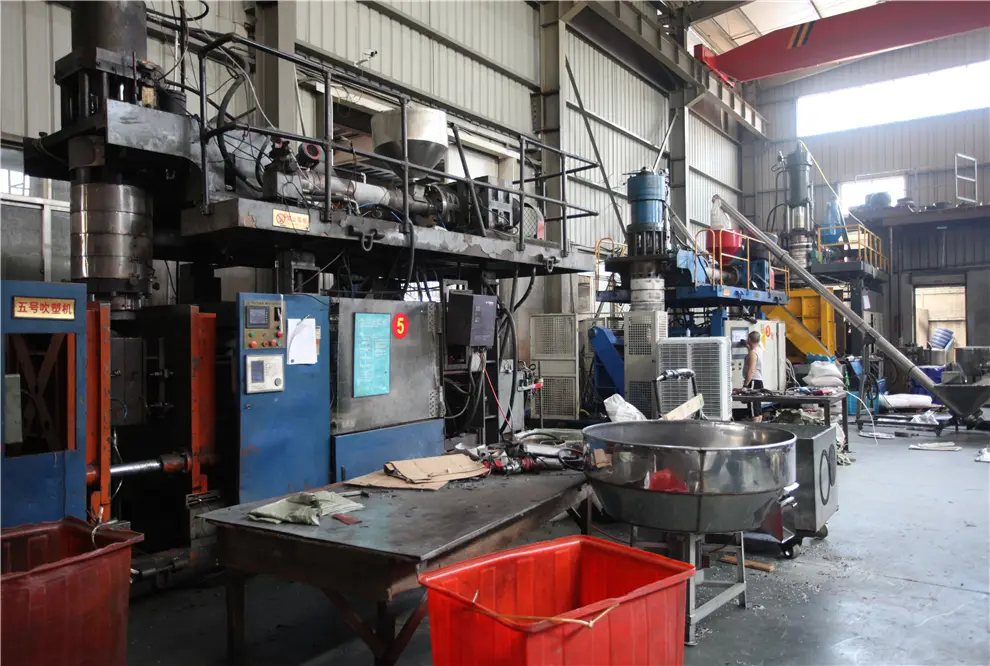
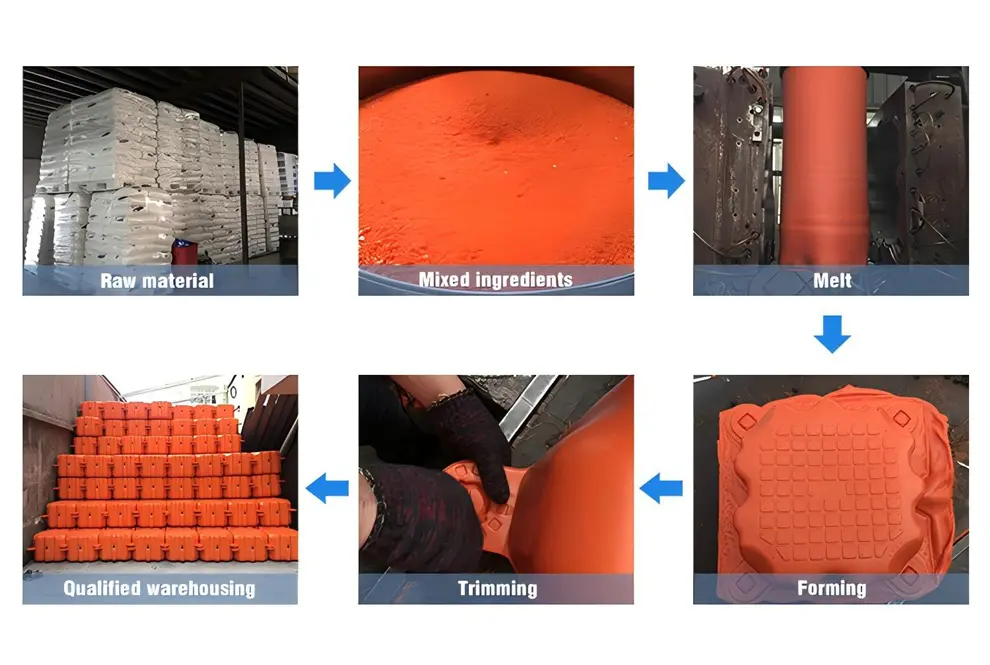
Blow molding stands as the premier manufacturing technology for heavy-duty modular floating dock components. Shenghuang Industrial & Trade Blow Molding Factory utilize state-of-the-art automated blow molding lines to ensure uniform wall thickness across all structural components, which prevents stress concentration points along corners and structural ribs.
High-Density Polyethylene (HDPE) serves as the primary matrix material, typically blended with specialized anti-UV masterbatches, light stabilizers, and antioxidants. Key mechanical properties include:
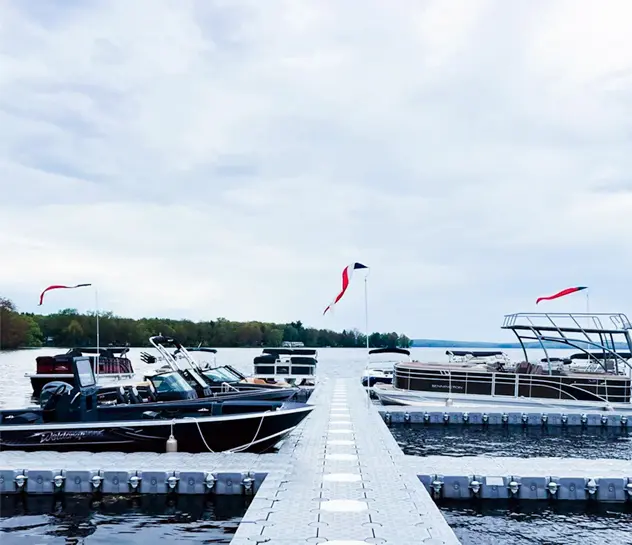
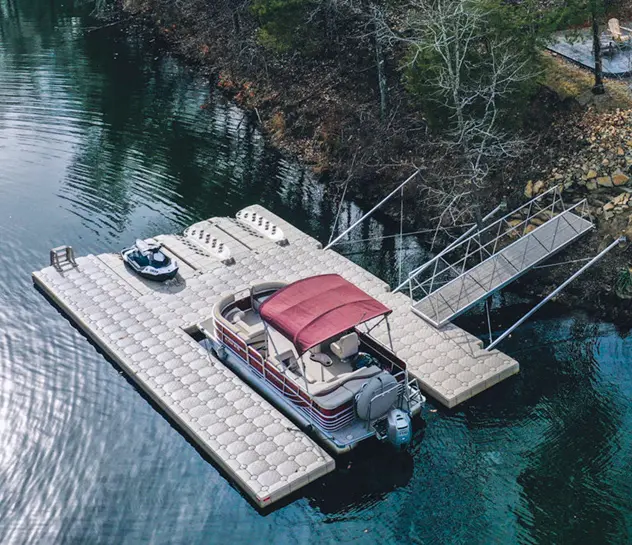
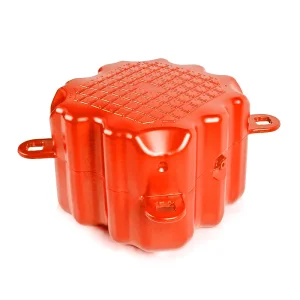
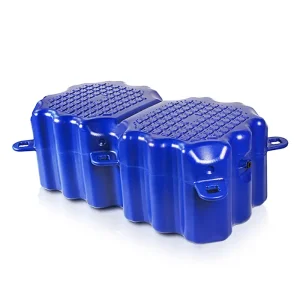
B2B procurement agents evaluating modular floating dock lifts search for versatile designs capable of accommodating small jet skis up to commercial workboats. Modern sourcing contracts focus on modular customizability (such as U-shaped channels, finger piers, and dual pontoon systems) to simplify installation, expansion, and reconfiguration.
Furthermore, sourcing managers prioritize manufacturers with comprehensive testing standards, including high-pressure air leak tests for every blow-molded element, material testing reports for environmental stress crack resistance (ESCR), and ISO 9001 compliance. As global shipping and freight costs shift, factories capable of containerization-optimized packaging have a clear competitive edge in overall landed cost calculations.
High-precision automated processing yields uniform material density and thickness, preventing structural failures along stress points under dynamic wave loads.
Shenghuang group enforces green manufacturing by using completely recyclable, non-toxic, and heavy-metal-free raw materials, aligned with global environmental guidelines.
Based in Huangyan, Taizhou, Zhejiang, our factory integrates into the world's most resilient logistics and industrial plastics supply network.
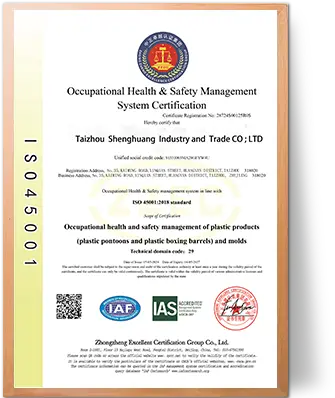
Our quality control process is integrated throughout all manufacturing cycles, from material entry testing to dynamic pressure validation of finalized modules. Shenghuang operates under strict ISO 9001 quality management guidelines.

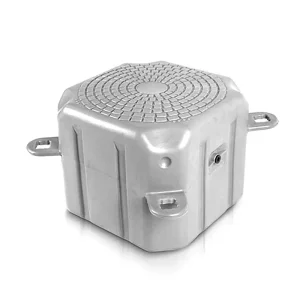
The plastic manufacturing landscape in Zhejiang Province has shifted from basic manual operation to fully integrated Industry 4.0 automation. At Shenghuang Industrial, blow molding production lines are monitored with sensors that manage heater zones, clamping pressure, and parison dimensions in real-time. This level of process control ensures that every modular floating dock cube is produced within dimensional tolerances of +/- 1.5mm, guaranteeing precise assembly on-site.
This automated system significantly reduces cycle time and raw material waste. Furthermore, by centering our production in Huangyan, Taizhou, we maintain direct access to global shipping channels and domestic chemical suppliers. This logistical proximity helps insulate B2B buyers from supply chain disruptions, ensuring stable pricing models and reliable lead times.
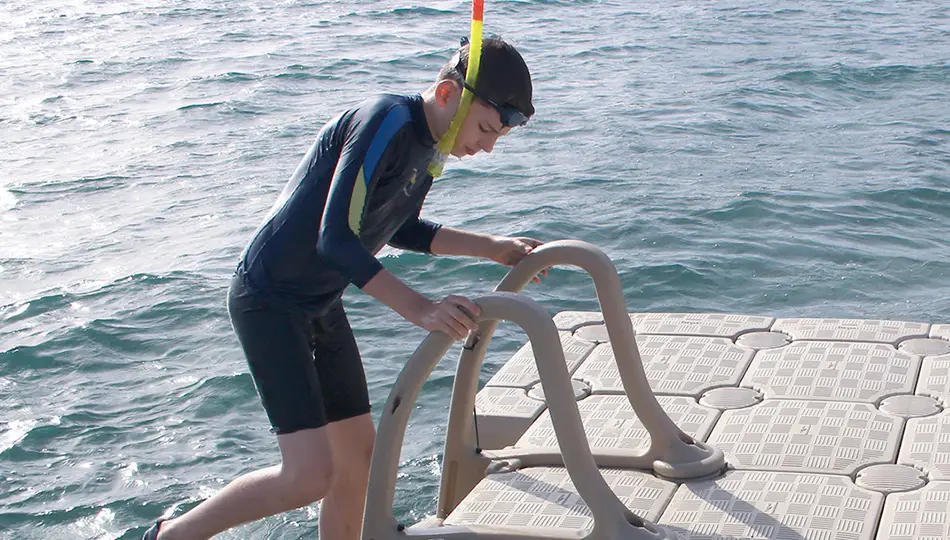
Modular HDPE pontoons serve diverse application profiles beyond basic leisure docks. In commercial sectors, they are used as industrial work platforms, heavy-duty aquaculture pens, and floating foundations for scientific instruments. Their high chemical resistance allows these pontoons to operate in environments exposed to fuel spills, acidic industrial run-off, and high-salinity marine waters without degrading.
Additionally, municipal developers utilize modular pontoon systems to quickly deploy floating walk-ways, temporary event stages, and public parks on inland ponds and coastal harbors. Because the modular cubes can be assembled in various shapes, designers can reconfigure structures for seasonal events or long-term urban developments.


Need a bespoke configuration, specialized buoyancy ratings, or customized dimensions for heavy industrial requirements?
Consult our Engineers →








 ShengHuang