Premium Blow-Molded Marine Infrastructure & Modular Floating Solutions Designed for Extreme Aquatic Environments
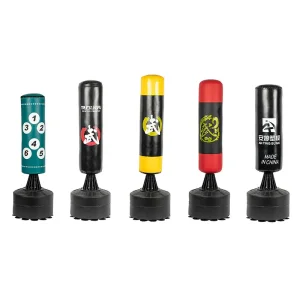
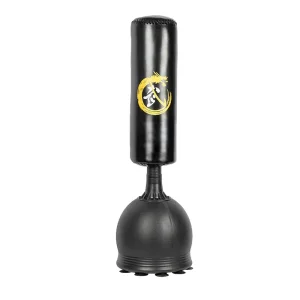
Founded in 2019, Shenghuang Industrial & Trade Blow Molding Factory has established itself as a leading innovator and global manufacturer in the plastic blow molding sector. Headquartered in Huangyan, Taizhou, Zhejiang province—internationally recognized as the heart of China’s advanced mold and plastics manufacturing cluster—Shenghuang leverages state-of-the-art automation and specialized materials processing to supply high-precision, industrial-grade solutions worldwide.
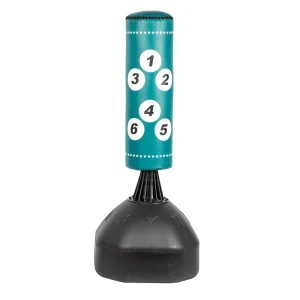
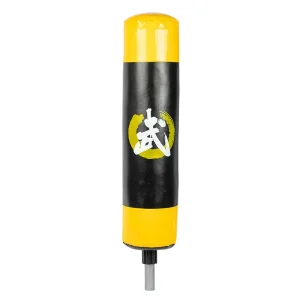
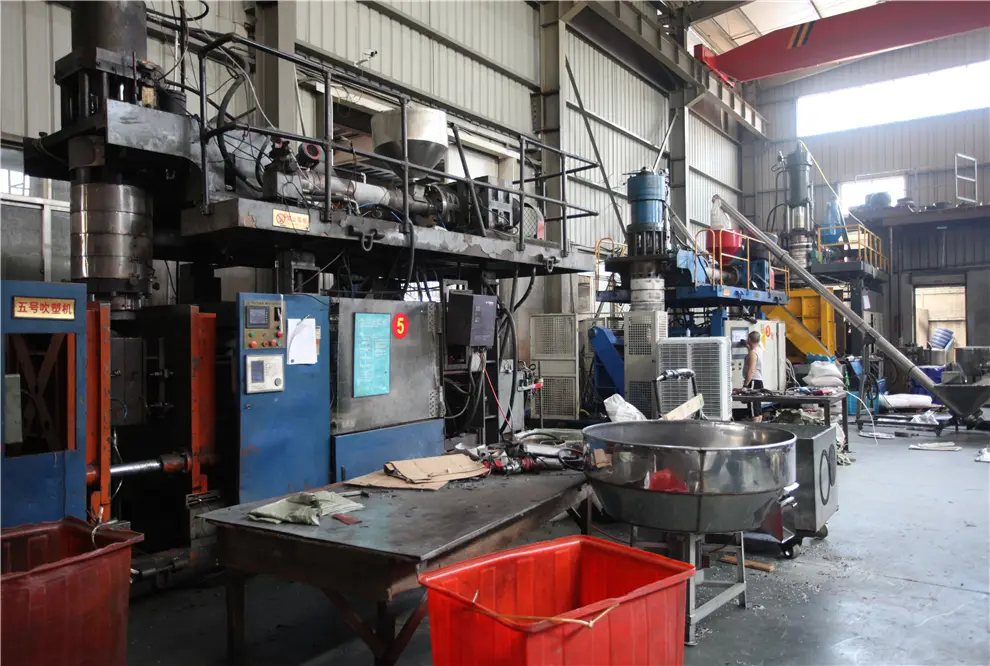
Our facilities utilize high-output automated extrusion blow-molding lines capable of fabricating components with extreme structural uniformity. By focusing on engineering excellence and raw material integrity, we deliver a diverse range of products including heavy-duty marine pontoons, modular floating dock components, custom industrial packaging, automotive ducting systems, and outdoor fitness structures. Every item conforms to the rigorous standards of the ISO 9001 quality management system, ensuring traceability and uniform physical properties from design phase through container loading.
Flexible floating docks require materials that can withstand dynamic cyclic loading, intense solar radiation, salinity, biological fouling, and chemical exposure. To meet these demands, Shenghuang utilizes specialized High-Density Polyethylene (HDPE) blends enriched with tailored additive packages.
Enriched with hindered amine light stabilizers (HALS), our HDPE components resist molecular degradation and UV weathering even under continuous solar radiation exceeding 120,000 Langleys per year.
Exhibiting excellent flexural yield strength, our docks compress and flex under impact loads—absorbing energy from docking vessels or heavy debris without fracturing or structural failure.
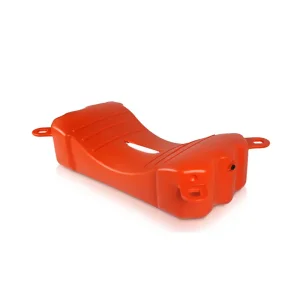
Configured with specialized internal structural ribbing, our single, twin, and U-shaped blocks achieve load capacities from 200 kg/m² up to 350 kg/m², maintaining stable deck alignment.
| Material Parameter | Testing Protocol (ASTM / ISO) | Nominal Value | Performance Benefit |
|---|---|---|---|
| Density (Base Resin) | ASTM D1505 | 0.952 - 0.958 g/cm³ | Optimized strength-to-weight ratio and flotation performance |
| Environmental Stress Cracking (ESCR) | ASTM D1693 (Condition B, 10% Igepal) | F50 > 1000 Hours | Highly resistant to chemical solvents, marine fuels, and surfactants |
| Tensile Strength at Yield | ISO 527 (50 mm/min) | ≥ 22 MPa | Resists deformation under high wave-action tension loads |
| Low Temperature Brittleness | ASTM D746 | ≤ -70°C | Remains flexible without cracking in freezing northern lakes and seas |
| Buoyancy Performance (Max) | Hydrostatic displacement test | 350 kg / m² (Square Docks) | Ensures high-capacity pedestrian walking paths and work platforms |
Shenghuang’s production facility is located in Taizhou's industrial zone, providing direct access to specialized logistics networks, advanced mold engineering, and raw materials. Our integration within this hub allows us to optimize production lead times and maintain cost efficiencies.
Because Huangyan is the "Mold Town of China," our R&D team designs, tests, and refines blow-molding tooling on-site. This close collaboration reduces custom prototyping cycles from months to days, allowing us to deliver bespoke ODM solutions—such as specialized concave-convex float geometries or integrated conduit channels—faster than international competitors.
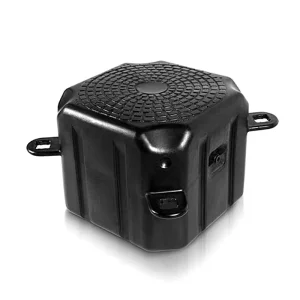
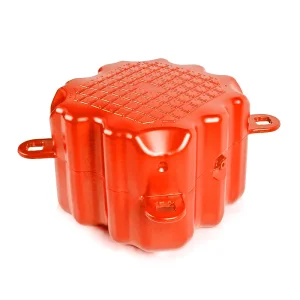
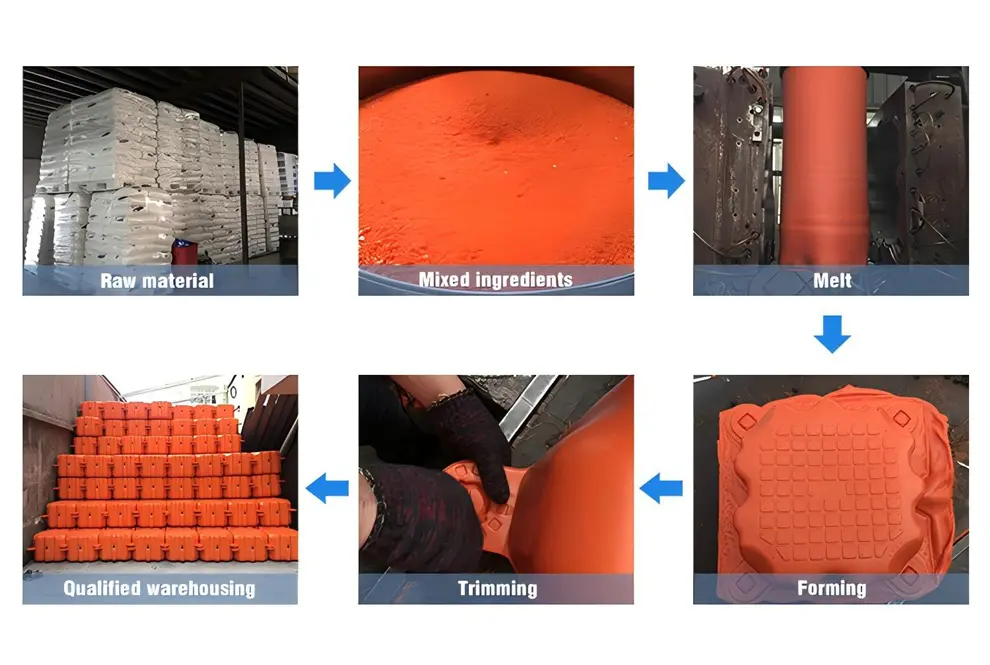
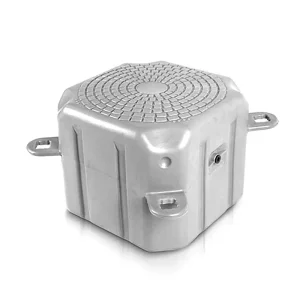
Our automated parison control systems ensure uniform wall thickness across all corners of our floating pontoon cubes. This prevents weak points while accelerating manufacturing throughput. Our capacity scale allows us to fulfill large-scale marine development orders efficiently.
Proximity to the deep-water ports of Ningbo-Zhoushan and Shanghai allows for streamlined shipping. This enables containerized products to reach global destinations efficiently, minimizing domestic transit costs and port delays.
We implement clean-loop production processes that recycle all post-industrial scrap back into non-critical components. By utilizing energy-saving electric drives on our blow-molding machines, we reduce our carbon footprint while optimizing cost structures.


Our flexible floating docks are deployed across various commercial, industrial, and recreational environments globally. The modular interlocking system allows contractors to assemble customized structures for a range of marine applications.
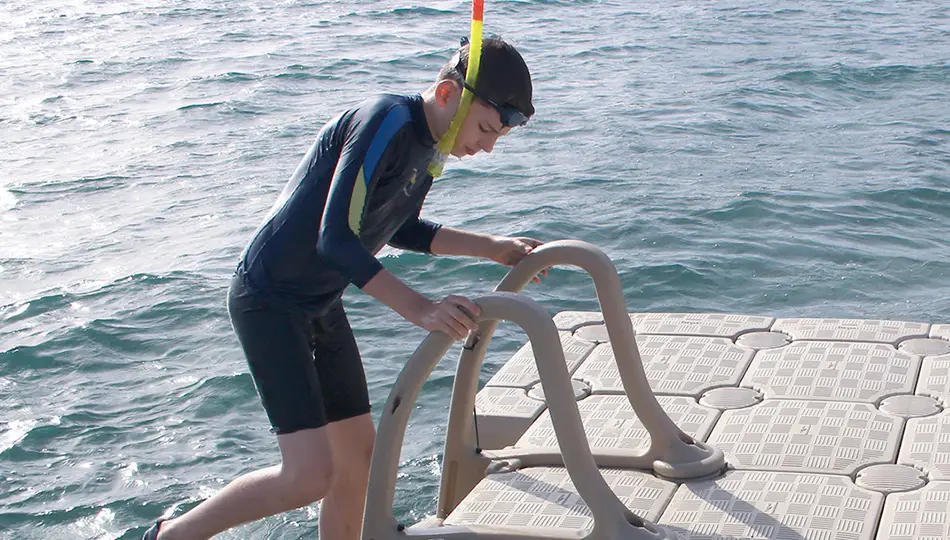
Our modular blocks adjust to fluctuating tides, providing continuous freeboard height for marine vessels. The textured surface ensures traction for passengers in wet conditions.
We supply UV-stable HDPE support structures designed to hold photovoltaic modules. These systems utilize water-cooling benefits to help maximize energy output.
Used to support light machinery, maintenance teams, and containment booms during dredging, bridge inspections, and shoreline remediation projects.
Provides stable walkways around containment pens, resisting degradation from salt water, bio-fouling, and wave action.
Configured in three-cube-wide arrays to provide ADA-compliant walkways over wetlands, eco-reserves, and urban waterfronts.
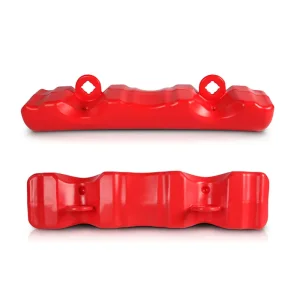
Our U-shaped modules allow personal watercraft to drive directly onto dry storage, reducing hull fouling and simplifying maintenance.

As marine requirements change, Shenghuang continues to invest in advanced polymer technologies. Our engineering roadmap focuses on three main initiatives:
Developing structural HDPE compounds containing up to 30% plant-derived polymers, reducing our carbon footprint while maintaining mechanical properties.
Integrating strain gauges and load sensors into select modules to transmit real-time structural health and wave acceleration data to operators.
Developing specialized fire-retardant pontoon lines to meet strict regulatory standards for commercial fueling docks and shipyards.
Our products are manufactured to meet regional maritime requirements. We coordinate shipping protocols directly with global carriers to facilitate import procedures for marine engineering firms, recreational developers, and retail distributors.
Our quality control protocols include raw material verification, continuous weight inspection during blow molding, and pressure-testing select batches for seal integrity. These procedures confirm that each modular unit can support the rated buoyancy load without leaking or structural deformation.
For regions without localized distributors, we coordinate shipping of modular components directly to designated freight terminals. The modular, stackable design of our floating blocks allows for efficient container packing, minimizing shipping volume and associated ocean freight costs.










Get clear, technical answers regarding installation configurations, material longevity, environmental impact, and purchasing procedures for our modular floating dock structures.
Our modular floating dock systems are designed to flex and distribute wave forces across the entire structure. The pins and connection points allow individual modules to articulate in response to swells, minimizing stress concentrations compared to rigid traditional docks. Performance during severe weather depends on the anchoring configuration, pile guides, and mooring lines used. Many customers report that their modular docks have survived storm events when nearby fixed wood or concrete structures suffered damage.
Yes. In areas without a local dealer, we ship modular systems directly from our factory in China to your closest local freight terminal or port for pickup. Our logistics team handles export documentation and coordinates with international carriers to arrange for delivery to your designated hub.
Yes, our docks are designed to remain in the water year-round, including in freezing conditions. The compound angles and tapered walls of each modular unit are engineered to allow the structure to slide upward when ice expands, riding on top of the sheet rather than being crushed by lateral forces.
The primary variable is water flow and ice movement. In bodies of water where ice melts and dissipates without significant movement, the dock can remain in place. However, if the site experiences heavy currents or moving ice floes during spring thaws, these dynamic forces can damage the anchoring systems or pull the dock away. In locations with active ice floes, we recommend removing and storing the dock onshore during winter.
For public walkways, gangways, or general pedestrian docks, we recommend a minimum width of three cubes (approximately 1.5 meters). This width provides a stable walking platform and helps distribute weight. Each standard cube supports up to approximately 90 kg (200 lbs) of load, ensuring buoyancy and stability under dynamic foot traffic.
Yes, our docks operate effectively in shallow environments. When unladen, the cubes draw only 5 to 10 cm (2 to 4 inches) of water. During low tides, the system is designed to rest directly on mud, sand, or gravel bottoms. However, the seabed should be relatively flat and free of sharp rocks or debris that could puncture the HDPE wall over repeated cycles. Ensure there is sufficient depth at the dock's edge to allow vessels to back off safely.
Our factory began manufacturing floating dock systems in 2019. We have grown to become a supplier of modular dock structures in China, exporting our HDPE systems to commercial developers, marine contractors, and retail partners globally.
 ShengHuang