Explore our highly durable, high-density modular polymer floats and heavy-duty training equipment engineered for global commercial, industrial, and recreational facilities.
In an era defined by climate adaptation, rising sea levels, and the expansion of blue economy sectors, the global demand for reliable, marine-grade floating systems has surged. Modern aquatic structures are no longer limited to simple wooden docks; they require advanced polymer-based solutions that can withstand severe hydro-environmental stress. PVC and High-Density Polyethylene (HDPE) pontoon floats represent the pinnacle of modular hydraulic architecture, serving as the foundational support for massive aquaculture farms, critical industrial pipelines, municipal floating gangways, and offshore renewable energy plants.
Globally, industrial harbor managers, civil marine planners, and environmental engineering firms are transitioning away from conventional timber and steel-based floating elements. Traditional systems are highly vulnerable to rot, rust, marine borers, and chemical contamination. Consequently, precision-molded thermoplastics have become the modern engineering standard. High-density, blow-molded modular pontoon systems provide superior strength-to-weight ratios, chemical inertia, and exceptional resilience under high dynamic wave loads.
Established Year
Certified Quality System
Recyclable Polymers
Average Buoyancy Load
Founded in 2019, Shenghuang Industrial & Trade Blow Molding Factory has quickly emerged as an industry leader in plastic extrusion blow molding. Strategically located in Huangyan, Taizhou, Zhejiang Province—the globally renowned hub for tooling and advanced polymer manufacturing—the company operates a state-of-the-art production complex designed to deliver high-precision, heavy-duty thermoplastic products.
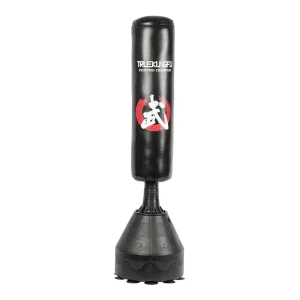
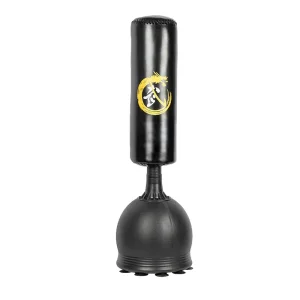
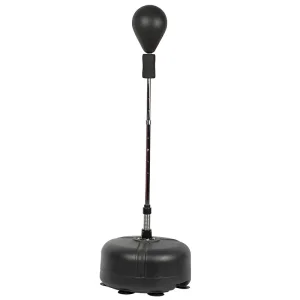
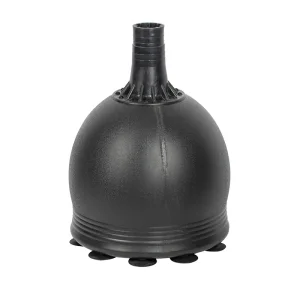
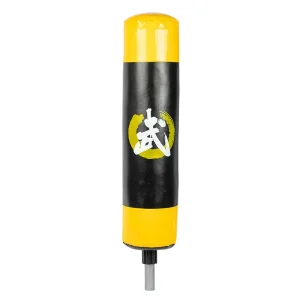
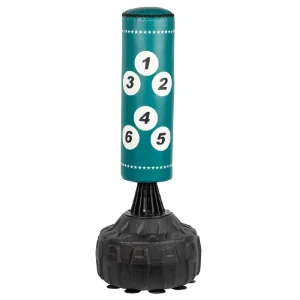
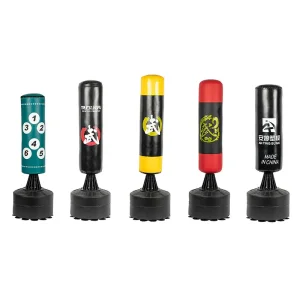
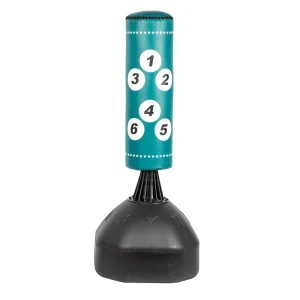
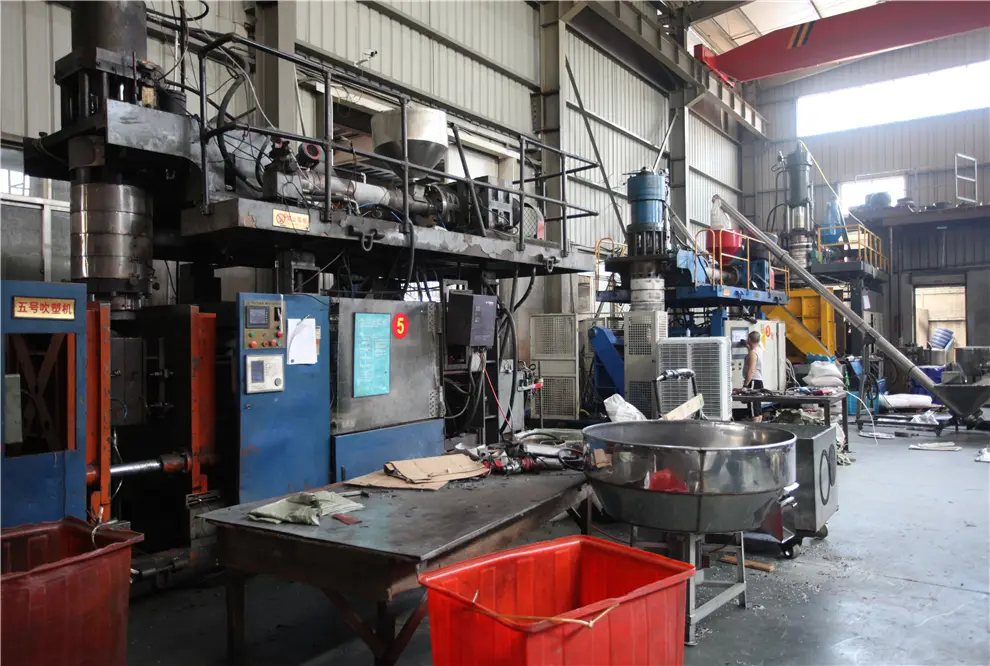
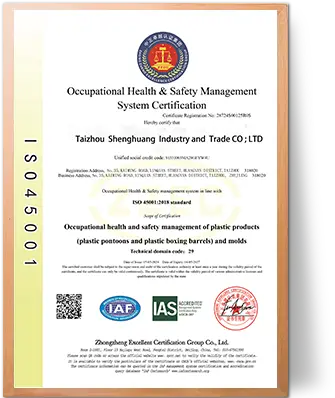
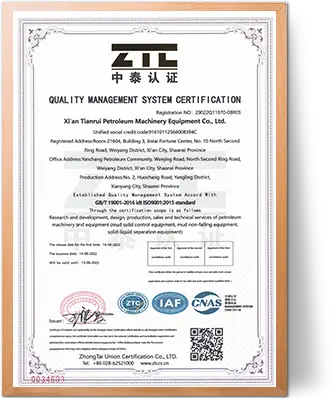
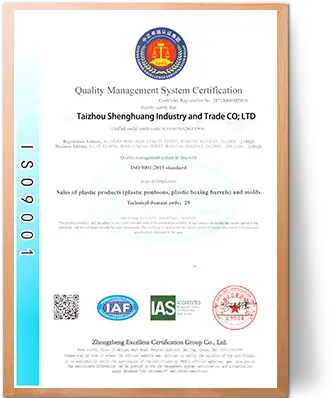
Our facility is equipped with automated blow molding lines capable of shaping large-volume, complex geometries, including double-walled modular pontoon floats, custom marine vessels, structural boxing sandbag assemblies, and custom-designed industrial hollow parts. By strictly adhering to the ISO 9001 quality management framework, Shenghuang ensures that every stage—from the thermal extrusion process to final load-testing—is fully documented and strictly controlled.
Understanding the chemical and structural architecture that ensures our pontoon floats endure extreme marine stresses for decades.
Our floats are molded using advanced high-molecular-weight polymers, fortified with specialized UV-stabilizers and anti-oxidants. This complex chemical formulation prevents solar degradation, maintaining structural strength and crack resistance even in high-salinity and high-temperature marine environments.
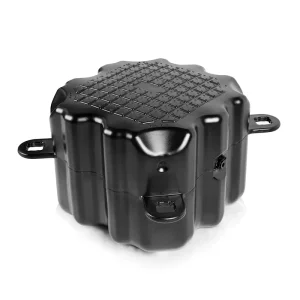
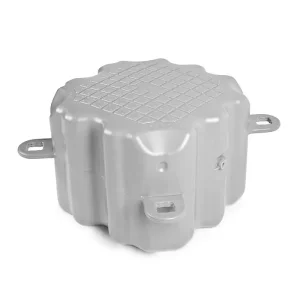
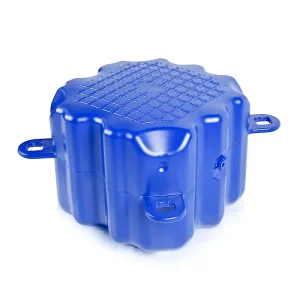
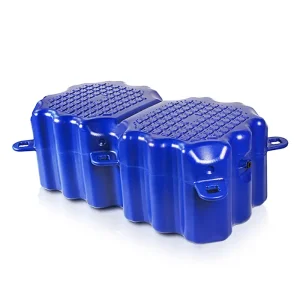
The surface geometry features a calculated concave-convex patterned design. This serves a dual purpose: first, it provides a safe, slip-resistant surface for industrial technicians and visitors; second, the internal interlocks increase compressive strength, allowing the float to absorb heavy vertical loads without buckling.
Equipped with a reinforced corner pin connection system, our modular cells distribute external forces evenly. This prevents shear strain at critical joints, allowing the platform to flex naturally under high-energy wave conditions without separating or leaking.
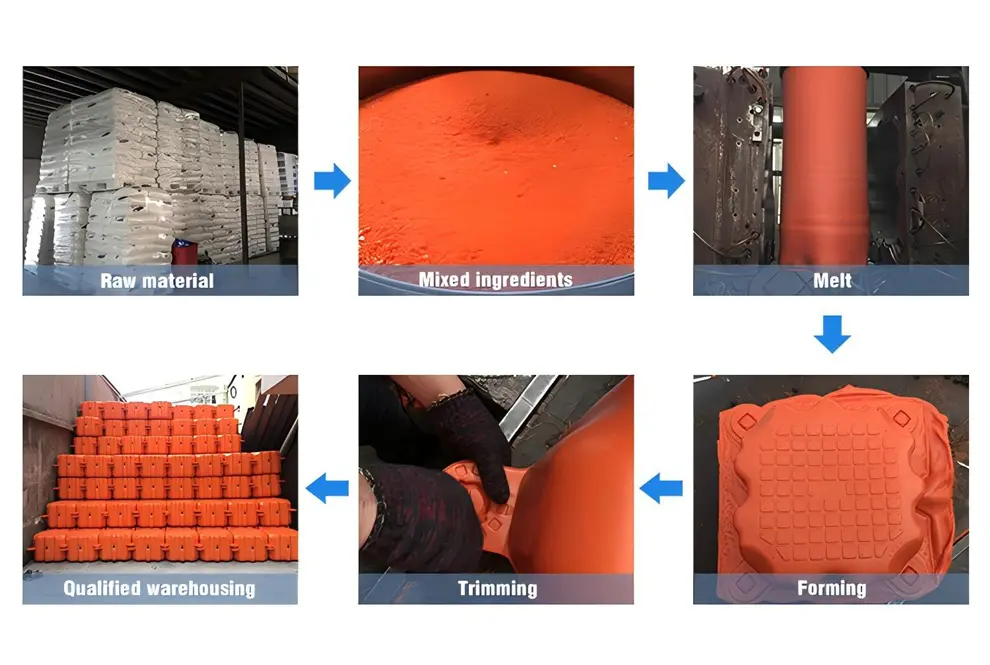
The manufacturing process uses state-of-the-art extrusion blow molding (EBM) systems. In this process, a heated polymer tube (parison) is inflated inside a water-cooled metal mold. This technique results in a seamless, single-piece hollow object with uniform wall thickness and no structural joints. Eliminating seams is critical for marine engineering, as it removes the risk of weld failure—the most common cause of water ingress and buoyancy loss in traditional fabricated pontoon designs.
From heavy-duty industrial pipe support systems to public event platforms, our float installations deliver unmatched versatility.
Modern commercial aquaculture operations demand reliable floating structures to support heavy cage nets and automatic feeding systems. Our high-buoyancy modular pontoons provide the perfect structural support, remaining chemically inert and resistant to biofouling in marine environments.
Mining operations, oil extraction facilities, and civil dredging programs require durable pipeline systems to transport slurry and waste across water. Our heavy-duty dual-wall pontoons provide the secure support needed for heavy steel pipelines, offering excellent chemical resistance and durability.
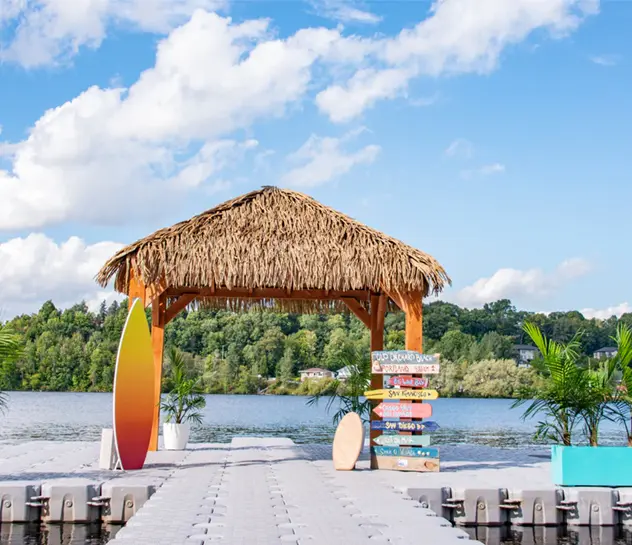
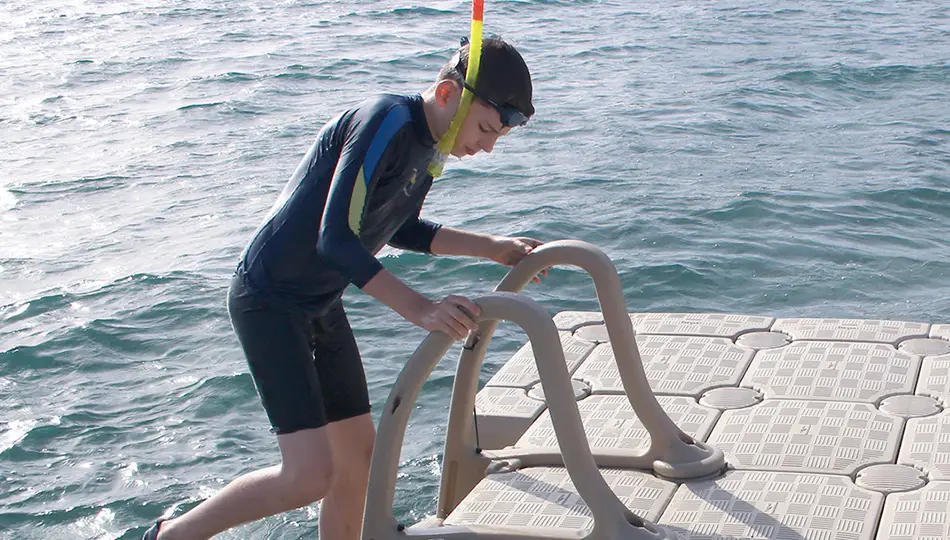
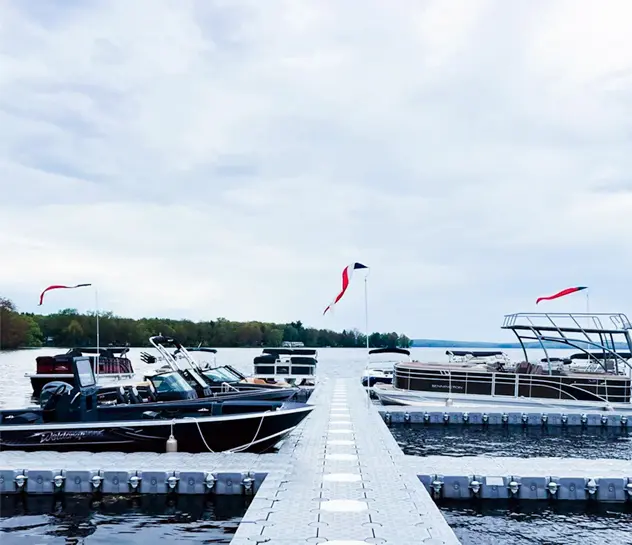
Municipalities and hotel developers rely on our modular systems to build public marinas, walkways, and floating event platforms. The high stability, chemical resistance, and non-slip surface ensure a safe and long-lasting waterfront setup.

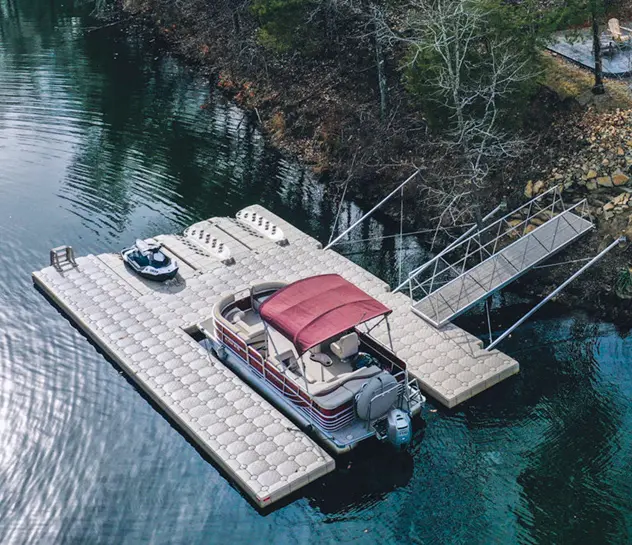
As regulatory bodies tighten environmental standards regarding marine installations, material recyclability and non-toxic compositions are critical design considerations. Shenghuang is committed to minimizing the ecological footprint of our products. We actively utilize 100% recyclable, food-grade polymers in our blow-molding processes. This ensures that even after decades of service, the structures can be reprocessed without creating microplastic waste or chemical runoff.
Our R&D department is currently testing smart sensor integration for high-risk industrial docks. By embedding IoT sensors directly into the internal blow-molded cavities, operators will soon be able to monitor structural pressure, dynamic tilt, wave impact loads, and internal temperature in real-time, preventing failures before they occur.








Detailed structural performance information and original installation guidelines for engineers and marine architects.
Explore our full selection of modular structures, including single, double, and specialized interlocking configurations.
 ShengHuang