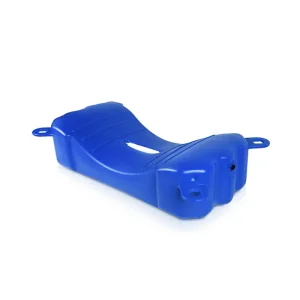
Direct supply from state-of-the-art Chinese blow-molding factories. Configurable, UV-stabilized, high-load buoyancy components.
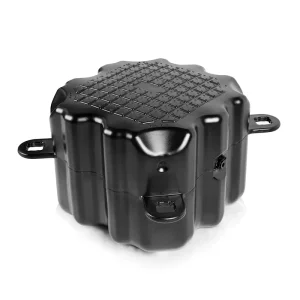
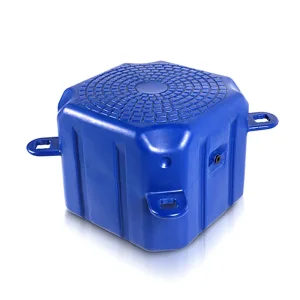
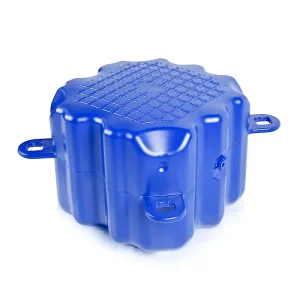
When engineering marine platforms, material science determines lifespan. Although search intents often target PVC Dock Floats, the modern marine sector has pivoted heavily to High-Density Polyethylene (HDPE) for modular structural components.
Traditional PVC offers rigidity but is vulnerable to chemical leeching, impact cracking under extreme cold temperatures, and accelerated UV degradation. HDPE blow-molded floats, conversely, represent the standard for green marine engineering. HDPE features a molecular memory that absorbs impacts without fracturing, remains inert in saltwater environments, and integrates advanced UV stabilizers to withstand intense solar exposure.
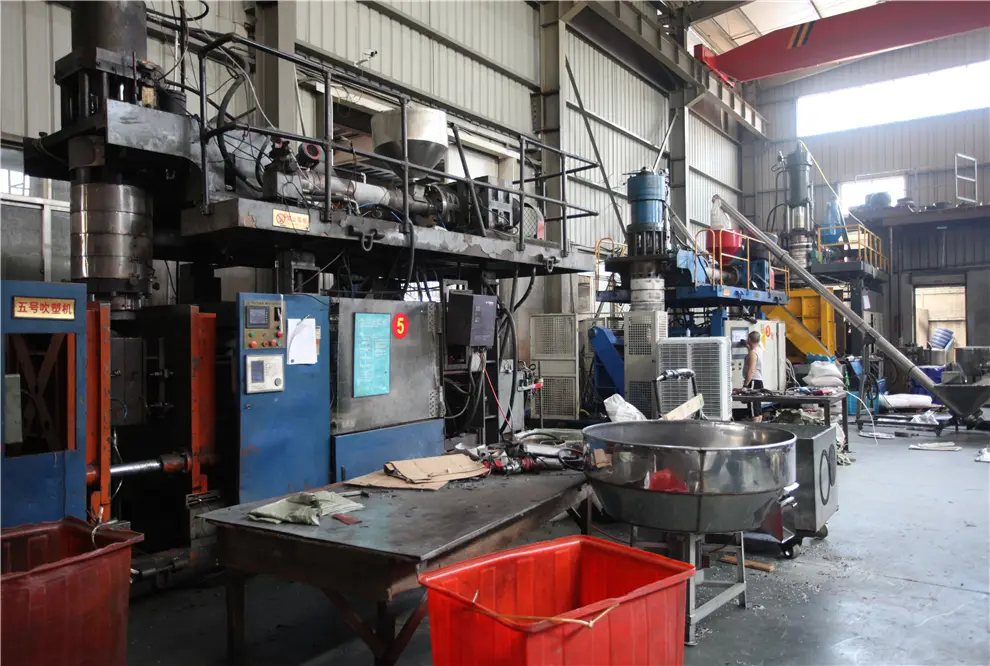
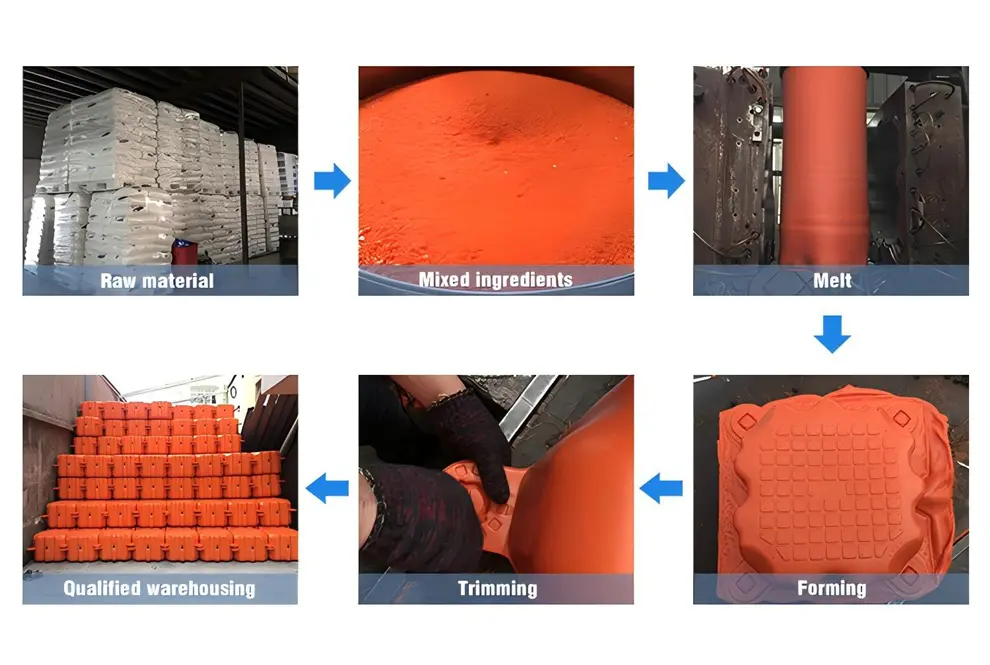
Founded in 2019, Shenghuang Industrial & Trade Blow Molding Factory is a leading innovator in the plastic blow molding industry. Headquartered in Huangyan, Taizhou, Zhejiang—the globally recognized hub of mold making and plastics manufacturing in China—the factory leverages localized raw material networks, specialized tooling engineers, and unmatched logistics channels.
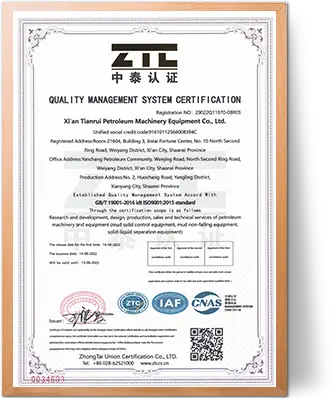
Equipped with state-of-the-art automated blow molding production lines, Shenghuang efficiently produces specialized components including modular pontoons, liquid storage solutions, and custom industrial blow-molded gear. The entire operational cycle is audited under the ISO 9001 quality management framework, ensuring consistency from high-molecular weight raw material inspection through to final pressure testing.
How modern marine floating modules are adapting to climate changes, offshore applications, and sustainable construction practices.
As tropical cyclones increase in frequency, rigid wooden or metal docks suffer structural fatigue. High-density, modular float pins allow platforms to roll with ocean wave dynamics, dissipating stress forces naturally instead of resisting them.
Traditional pressure-treated wood piles release arsenic and chemicals into delicate marine biomes. Modern HDPE modular floats from China factories do not leech compounds, ensuring zero footprint on local marine habitats.
Real estate and commercial event spaces increasingly require quick-deploy setups. Modular blocks are light, easily packable into standard containers, and can be constructed or taken down by a small crew in a matter of hours.
Engineered platforms customized for commercial aquacultures, marine transport, industrial storage, and floating active zones.
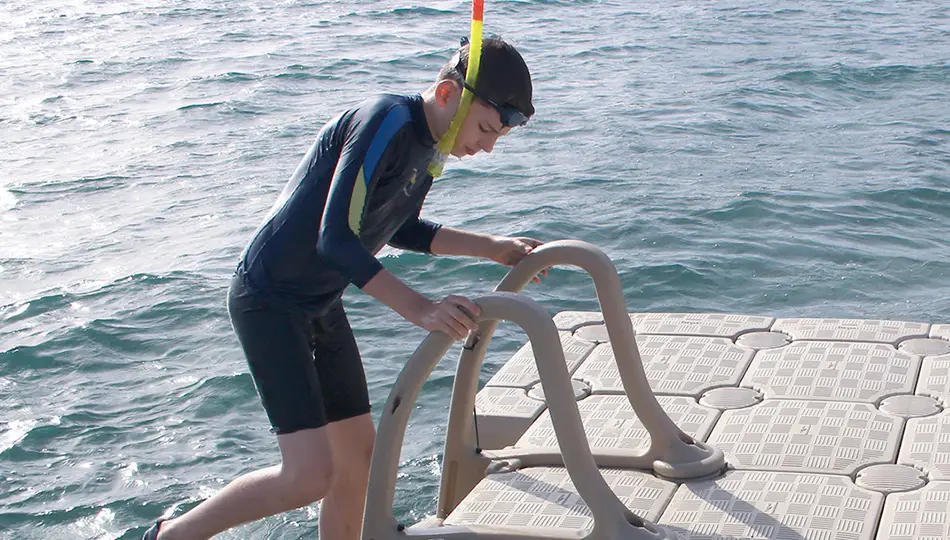
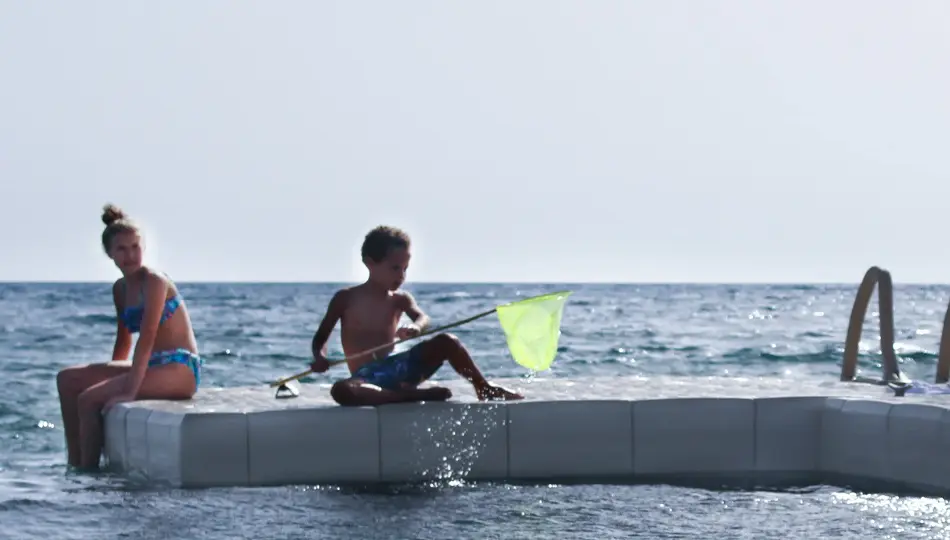
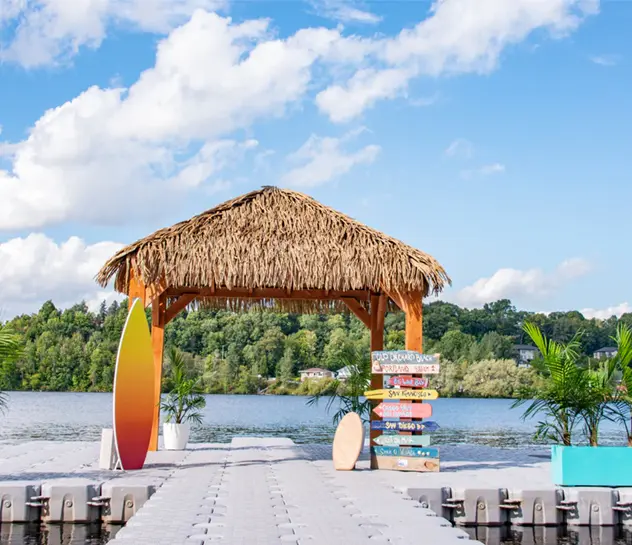
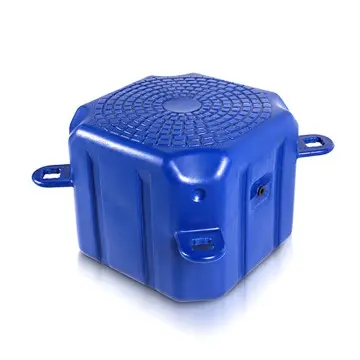
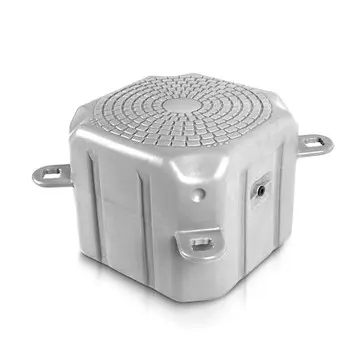
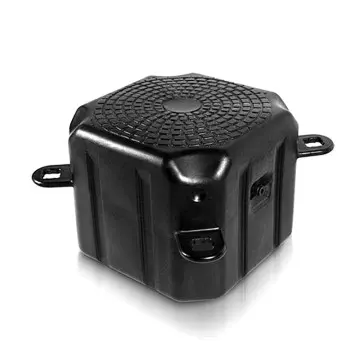
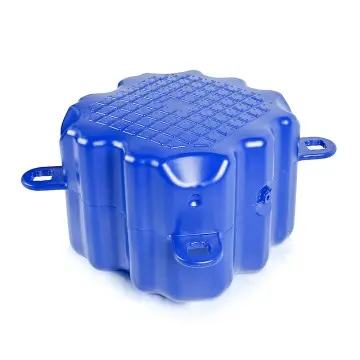
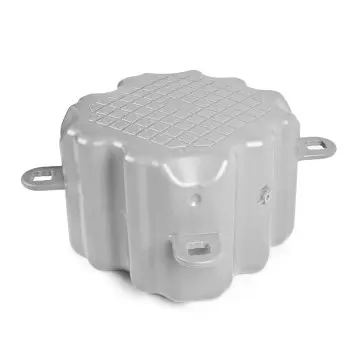
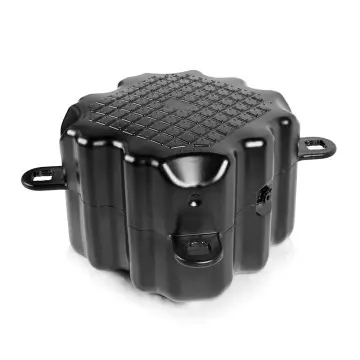
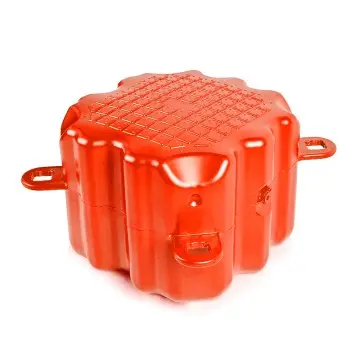
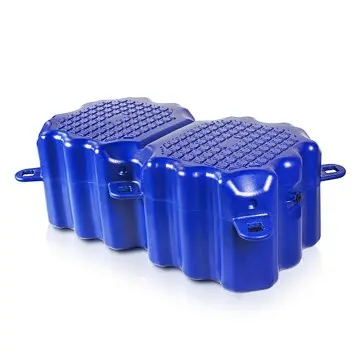
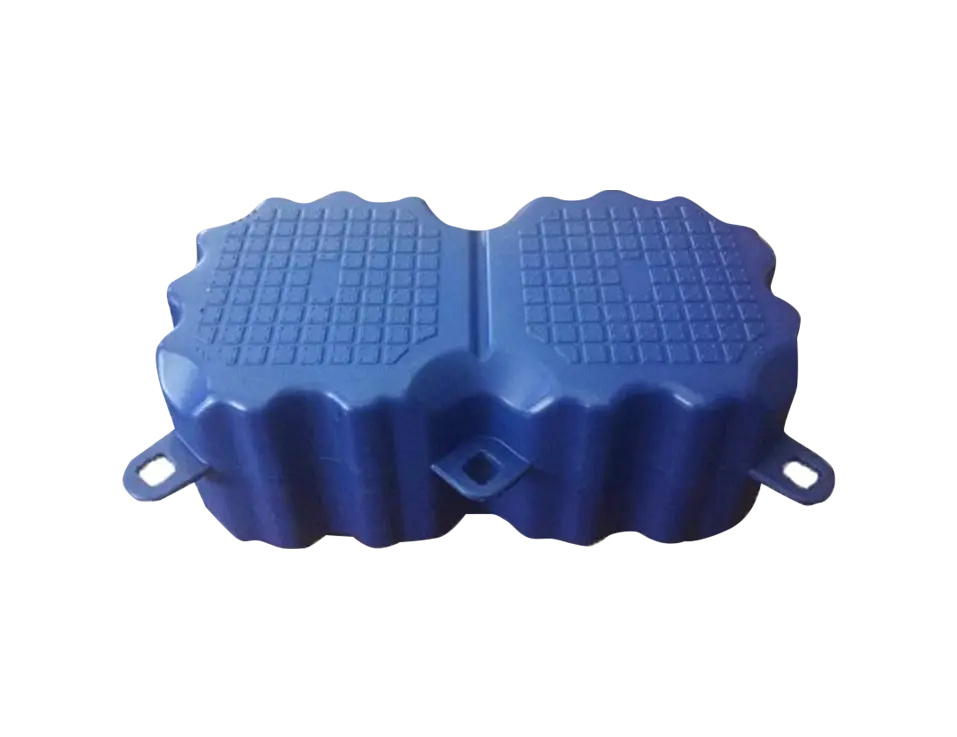
Large-scale fish farms utilize square HDPE blocks to design walkways and anchorages. Able to hold severe payloads, these structures survive continuous exposure to wave dynamics, providing critical pathways for operations teams.
Whether creating paths over lakes for public festivals, floating stages, or pop-up marine bars, the slip-proof, interlocking structure prevents structural failure and keeps crowds safe.
Engineers and maintenance teams deploy HDPE platforms to support heavy tools and pumps during dredging, infrastructure repair, or underwater inspections.
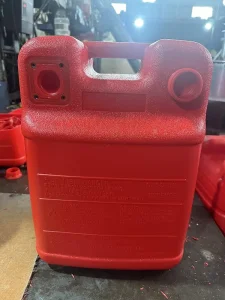
Leveraging high-grade blow-molded liquid storage systems (such as portable 12L & 24L marine fuel tanks), sea vessels and coastal docks maintain high safety profiles during transfer procedures.
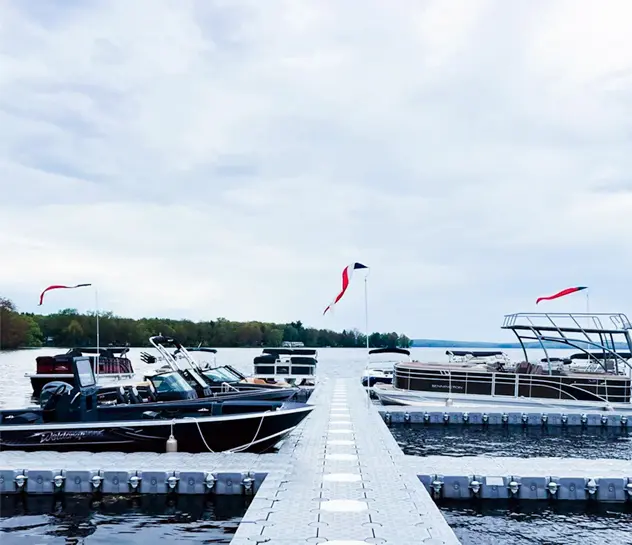
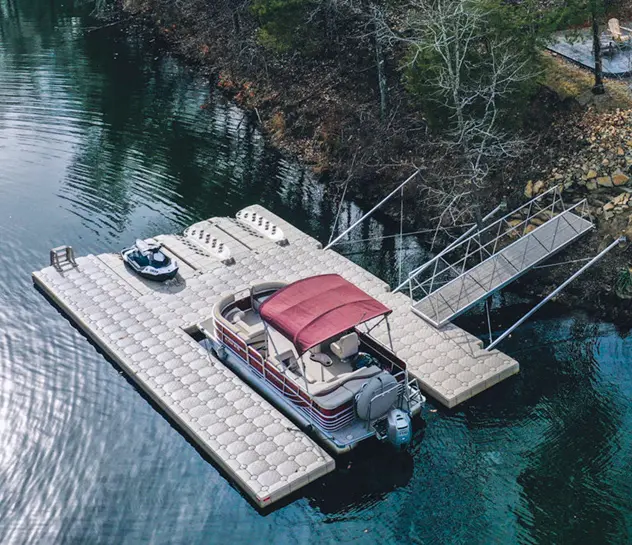
Sourcing floating docks directly from China factories requires a clear understanding of technical specifications, logistics, and certifications. To ensure seamless procurement operations, prioritize the following parameters:
Shenghuang provides full OEM/ODM manufacturing, including tooling design, custom-embossed logos, color-matching, and optimized shipping configurations to reduce sea freight costs.
Shenghuang operates with strict adherence to international industrial manufacturing parameters.




A flexible R&D mechanism allows our engineering team to draft custom mold layouts, satisfying custom buoyancy parameters and dimensional requirements for unique marine projects.
We actively reduce energy footprints by implementing energy-saving technologies and fully recyclable raw-material processing cycles, aligning with international green building standards.
From initial design layouts to on-site assembly instructions, our pre-sales and technical field support teams verify structural configurations for commercial projects worldwide.








Technical answers to common deployment challenges, material specifications, and logistics queries.
The floating dock's modular layout offers excellent resistance in heavy wind conditions compared to traditional rigid piers. Because the individual cubes are interlocked with robust structural pins, the entire platform moves and flexes alongside wave action, preventing stress accumulation. The success of a system during severe weather relies heavily on proper anchoring design, including heavy-duty slide piles, chain tensioners, or elastic mooring systems designed to adjust to storm surges.
Yes. If there is no local distributor representing Shenghuang in your region, we manage direct export container shipments to your nearest industrial commercial sea port. For smaller volumes, we coordinate with regional shipping hubs to arrange inland terminal deliveries, allowing you or your freight forwarder to collect the shipment directly.
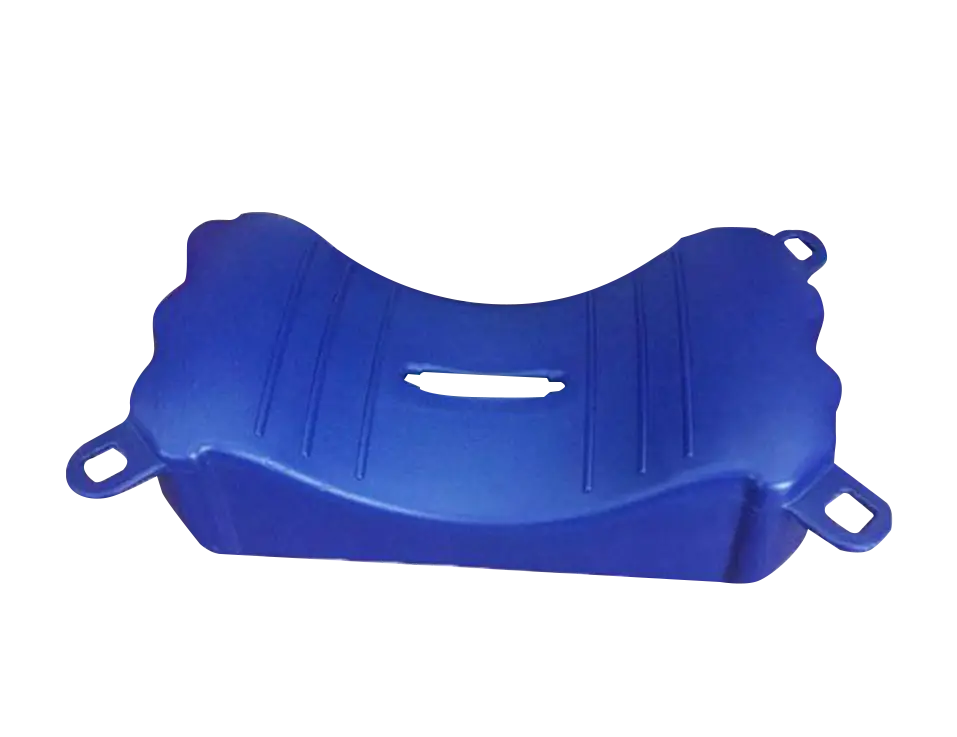
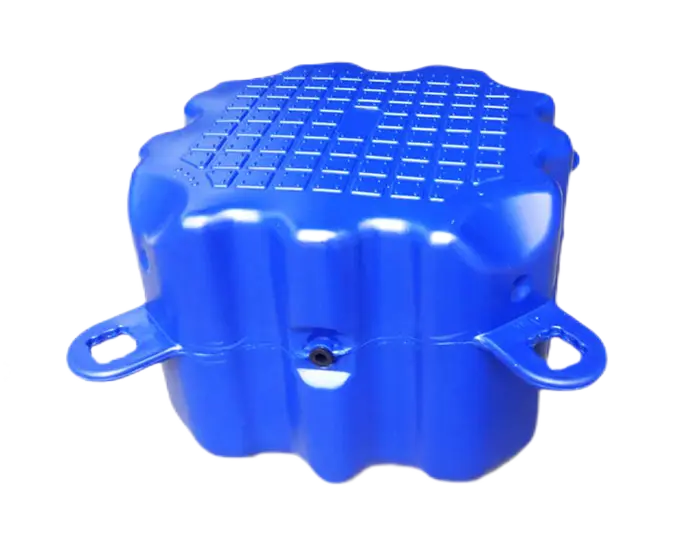
Absolutely. The dock systems can remain in the water all year round. Our HDPE modular cubes are structurally designed with a convex bottom contour that redirects compression inward and upward, causing the platform to pop up on top of the ice layer as it freezes. This prevents the expanding ice sheet from crushing or splitting the structural walls.
While static freezing ice does not damage the cubes, floating ice blocks or strong river currents present risks. If your deployment area is subject to heavy currents carrying logs or shifting ice during spring thaws, we recommend dismantling and storing the modular system temporarily during the transition season, as moving ice masses can shear anchoring systems and damage any marine structure.
For safe public or crew operations, we recommend a minimum width of three cubes (approximately 1.5 meters). This width balances water surface dynamics and buoyancy center points, allowing multiple adults to walk abreast comfortably without significant lateral roll.
Yes. When unladen, the cubes draw only 5 to 10 centimeters of draft. If the tide recedes completely, the HDPE blocks can safely rest flat on mud, sand, or smooth gravel. The critical requirement is ensuring the launching or docking edge has sufficient depth to prevent vessels from running aground during docking maneuvers.
Manufactured from premium HDPE with UV inhibitors, our floating systems have an active operational life expectancy of 15 years, depending on environmental stress, UV exposure levels, and local water conditions. The material resists degradation from salt water, marine organic growth, and acid rain.
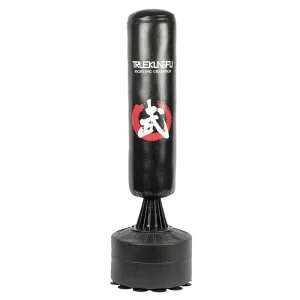
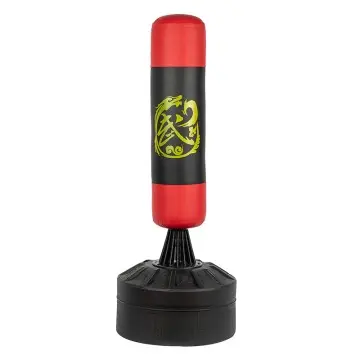
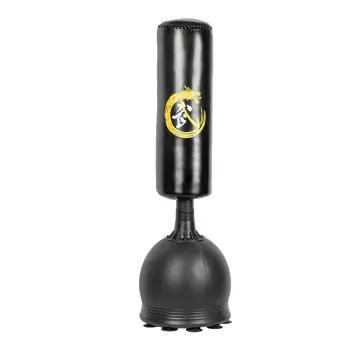
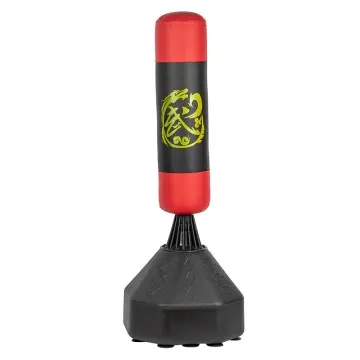
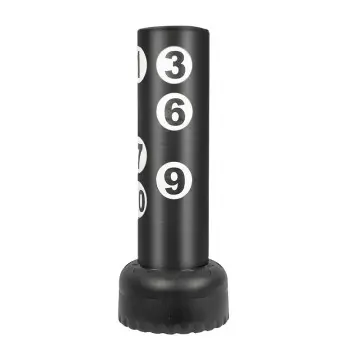
Explore our wider range of high-durability blow-molded products, marine gear, and sports training products.
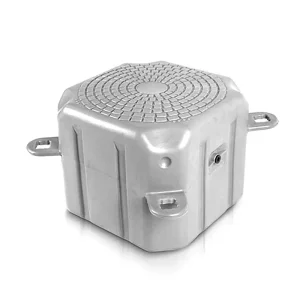
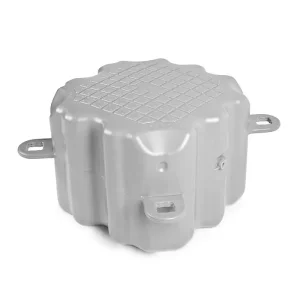
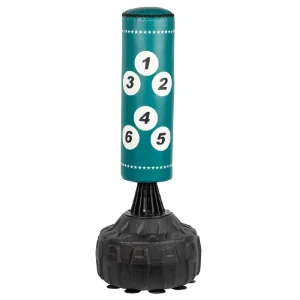
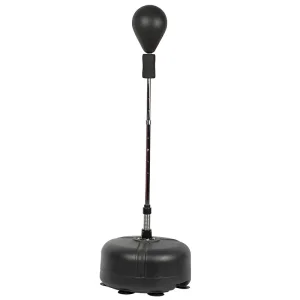
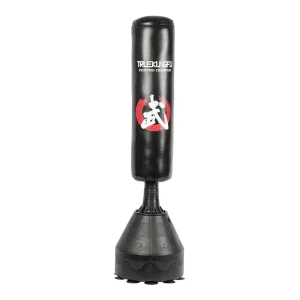
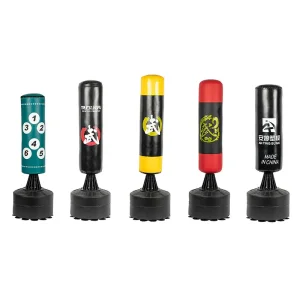
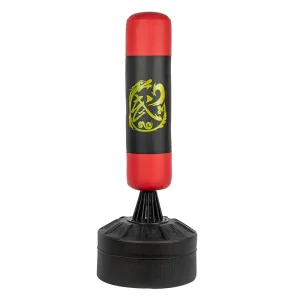
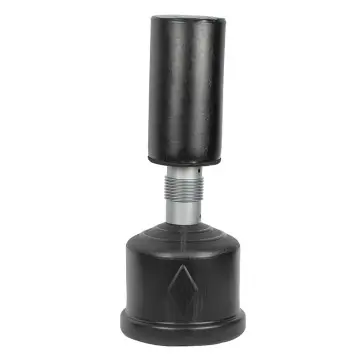
Explore secondary product selections including training equipment, sandbags, and customized hardware components.
 ShengHuang