Engineered for ultimate hydrodynamic performance, robust load distribution, and severe environmental resilience.
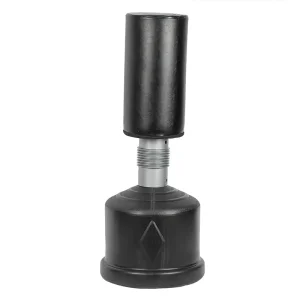
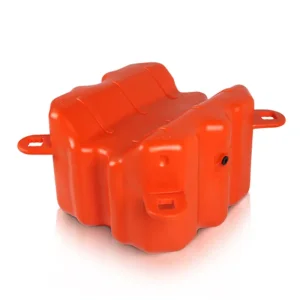
Global pioneers in advanced blow-molding technology, delivering modular polymer solutions with absolute precision.
Founded in 2019, Shenghuang Industrial & Trade Blow Molding Factory has positioned itself at the absolute forefront of high-precision plastic manufacturing. Headquartered in Huangyan, Taizhou, Zhejiang—widely celebrated as China's premier hub for mold engineering and advanced plastic processing infrastructure—we leverage an elite local ecosystem to drive manufacturing excellence.
Over the years, we have transitioned from a localized manufacturing facility into a global powerhouse producing complex polymer configurations. Our focus spans high-density polyethylene (HDPE) pontoons, heavy-duty modular floating docks, specialized marine containers, and custom engineered blow-molded configurations for automotive, packaging, and logistics industries.
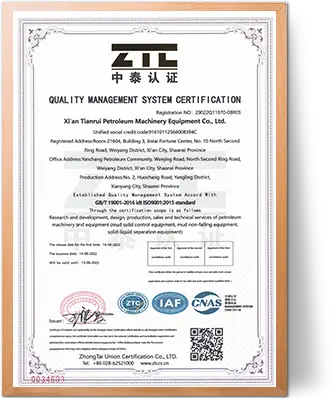
Every single product conforms to rigorous quality assurance testing parameters, ensuring global regulatory compliance.


At Shenghuang, environmental stewardship is not an afterthought; it is embedded in our polymer formulation and production cycles. In marine ecosystems, using substandard plastics leads to microplastic shedding and chemical leaching, causing long-term damage to aquatic biomes. To combat this, we utilize high-molecular-weight HDPE that features superior chemical stability, zero toxin leaching, and 100% recyclability.
Through our green manufacturing initiative, we have reduced carbon emission indexes per manufacturing run by 18% by incorporating state-of-the-art energy-saving servo motors on our blow molding machines and utilizing closed-loop water cooling systems. The resulting product is a high-durability floating platform that is completely benign to local marine biology and fully reclaimable at the end of its decades-long lifecycle.
A deep dive into materials engineering, design considerations, and global B2B procurement strategies.
The durability of a floating jet ski dock relies entirely on its chemical resistance to UV radiation, thermal expansion, marine growth, and structural stress. Shenghuang utilizes High-Density Polyethylene (HDPE) blended with specialized UV-inhibiting additives (specifically UV-10 or UV-12 masterbatch). This ensures the material maintains its mechanical properties, including tensile strength (exceeding 22 MPa) and impact resistance, even after years of continuous exposure to harsh sunlight and saltwater environments.
Our manufacturing utilizes automated continuous blow molding. In contrast to rotational molding, blow molding allows us to create double-walled hollow structures with uniform wall thicknesses. This structural design offers high local compression strength while maintaining the flexibility needed to absorb wave kinetic energy.
Dry-docking personal watercraft (PWCs) requires specialized dock designs that match their hull dynamics. We engineer two specific profiles to handle these requirements:
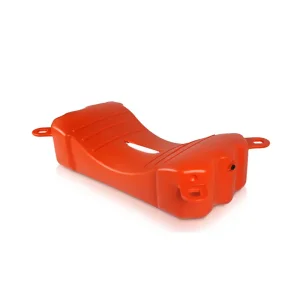
Specifically engineered for deep-V hull configurations. This design centers the jet ski upon approach, distributing hull weight evenly across the dock's structural grid to eliminate lateral listing.
Features an open-entry U-shape channel that minimizes friction during entry. It allows crafts to slide on and off the dock using minimal engine thrust, reducing wear on both the PWC hull and the dock surface.
Whether deploying a single residential jet ski dock or a complex commercial rental setup, mooring systems must adapt to varying hydraulic environments:
How Shenghuang integrates technology with strategic logistical advantages to deliver value globally.
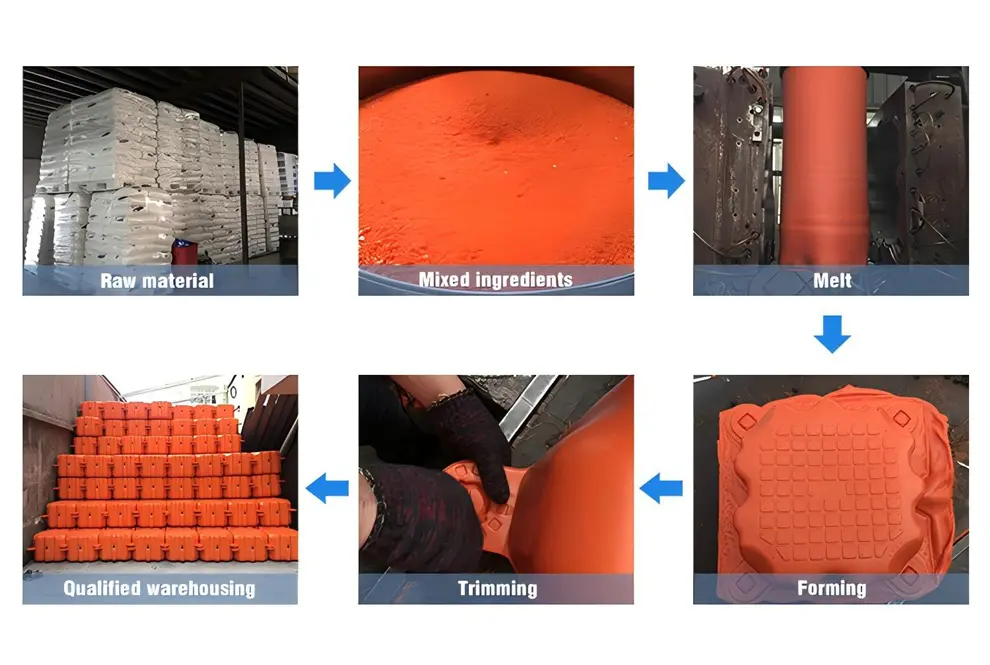
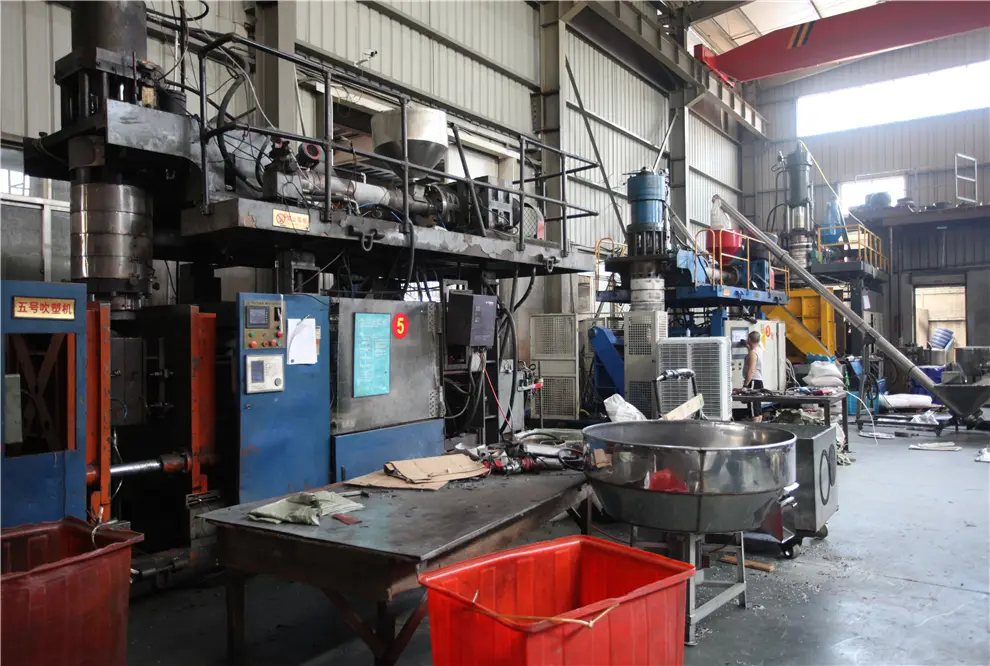
Our Taizhou factory operates automated blow molding systems that integrate parison thickness controllers. These systems dynamically adjust wall thickness during the blow process, reinforcing high-stress areas (like corners and connection lugs) while keeping weight-to-strength ratios optimal. This advanced control minimizes material waste and ensures consistent performance across high-volume production runs.
Furthermore, our proximity to the Ningbo-Shanghai shipping corridor provides a distinct logistical advantage. It allows us to secure lower inland freight rates and access international shipping lanes. For global distributors, this translates to shorter lead times, lower container transport costs, and reliable shipping schedules, even during peak global logistics demands.
Key technical parameters required to ensure dock durability, performance safety, and long-term project success.
Lug connection points must withstand shear force stresses exceeding 2,000 kgf. This strength prevents separation during storm surges and high wave activity.
Standard modular units should support an average weight capacity of 350 kg/㎡. Dual-layer configurations can handle loads exceeding 700 kg/㎡.
All top deck surfaces must feature molded textures with high friction coefficients. This design ensures safe footing when walking on wet, algae-exposed dock surfaces.
We collaborate with marine engineering distributors, municipal departments, and water sports brands worldwide.










Proven modular floating designs serving a wide variety of commercial, marine, and recreational industries.
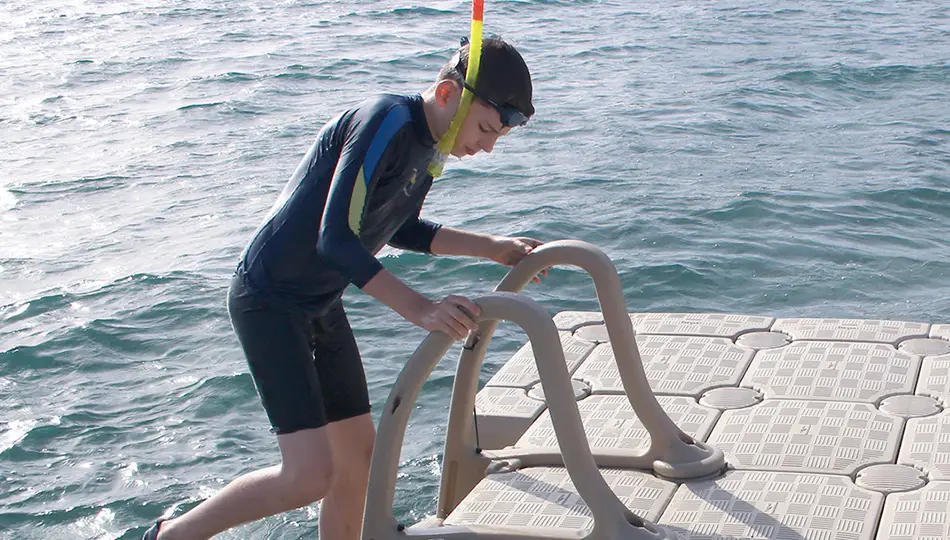
High-density mooring grids and walkways engineered to adjust smoothly with heavy daily foot traffic and varying water levels.
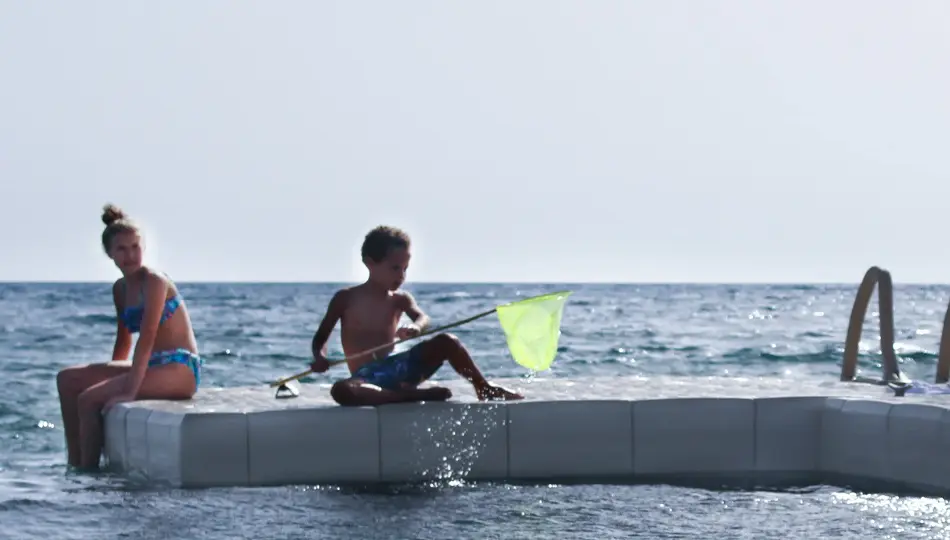
Highly stable, easy-to-install dry-docking solutions for personal boats, jet skis, and leisure watercraft.
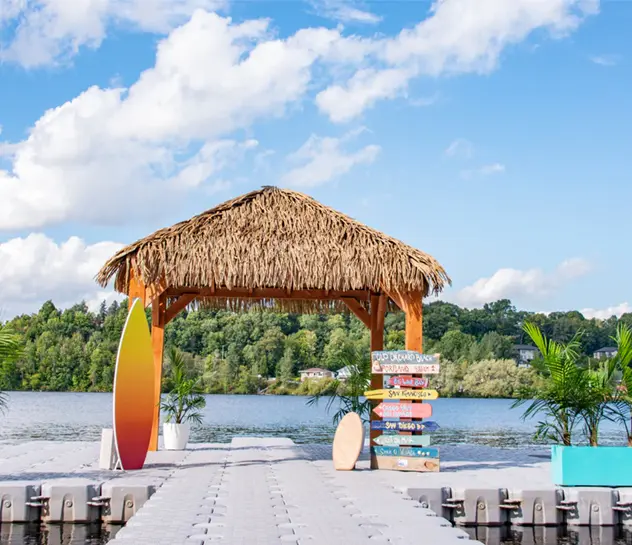
Heavy-load modular work platforms built to support heavy machinery, maintenance operations, and cleanup equipment.
Engineered for ease of installation, high load capacity, and long-term durability in fresh or saltwater.
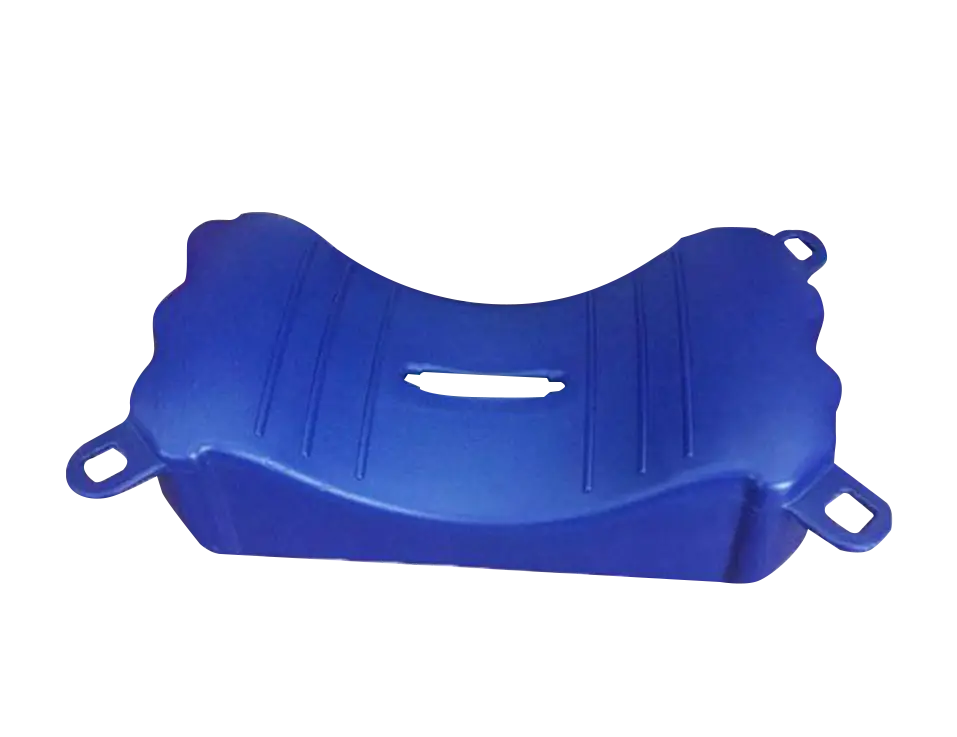
Features a centralized entry channel that guides jet skis smoothly into place, preventing lateral movement and hull friction.
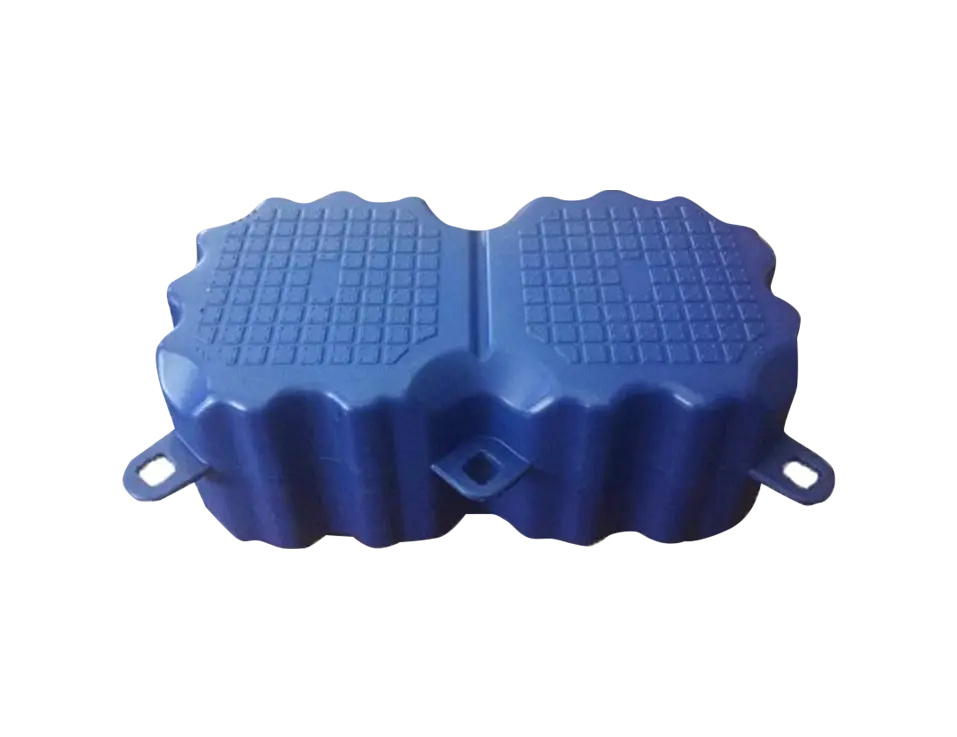
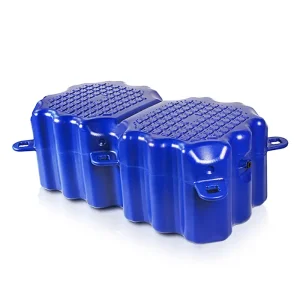
Double-wide platform designed to securely dock two watercraft simultaneously, saving precious space along the shoreline.
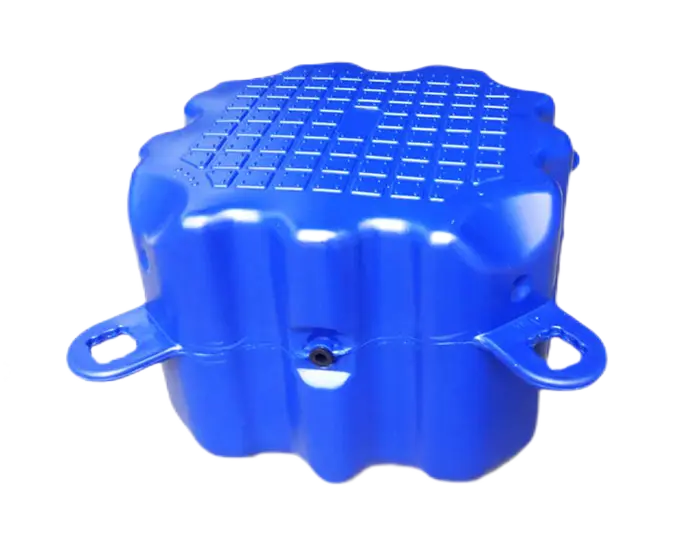
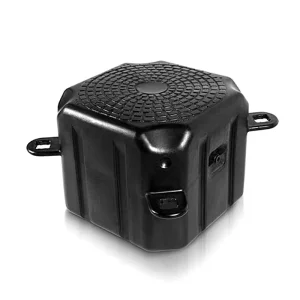
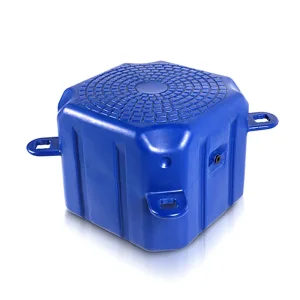
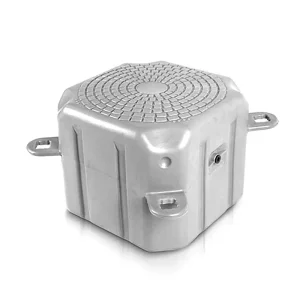
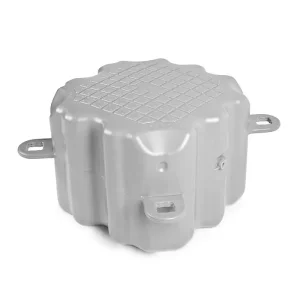
Our classic 500x500x400mm modular block. Highly versatile, it can be combined in endless layouts to match any configuration.
Technical answers directly from our factory engineering team to help you navigate marine installation challenges.
Our modular HDPE floating dock systems are specifically engineered to handle severe weather events. Thanks to the flexibility of the pin-and-lug connection design, the dock can flex and move with high waves, absorbing and dissipating the kinetic energy of heavy water movement. In the event of a storm, this flexibility prevents structural failures compared to rigid wood or concrete docks. Our global customers consistently report excellent dock survivability in areas hit by typhoons, provided the proper slide-pile or chain mooring configurations are installed.
Absolutely. If there is no local dealer in your country or region, you can buy directly from our factory. We ship all modular parts and connection hardware directly to your nearest commercial sea freight terminal for easy pickup, or arrange door-to-door delivery. Every shipment includes step-by-step assembly diagrams and access to remote video support from our engineering department.
Yes. The dock can remain in the water year-round, even in saltwater environments prone to freezing. Our modular cubes feature sloped, high-draft exterior walls that allow the system to naturally slide upward and rest on top of forming ice sheets, rather than being crushed by the lateral expansion pressure. However, in waterways with fast-moving ice sheets, we recommend temporarily removing or securing the dock to prevent impact damage from floating ice blocks.
For safe walking and structural stability, we recommend a minimum platform width of three modular cubes (approximately 1.5 meters). Because each individual cube provides balanced buoyancy of up to 90 kg (200 lbs) per unit, a three-cube-wide layout distributes weight evenly, preventing tipping and ensuring a solid footing even with multiple people on the dock.
Yes. Our modular cubes draw only 5 to 10 centimeters (2 to 4 inches) of water when unloaded. The critical factor for shallow installations is at the entry point of the dry dock: there must be enough water depth at the ramp for your watercraft's stern to float off. If the dock rests on mud or sand during low tides, it will not damage the durable HDPE material, but the system must be clear of rocks that could puncture the bottom under load.
Our manufacturing facility began production in 2019, making us one of China's earliest specialized suppliers of automated blow-molded floating systems. Over the years, we have grown into one of the country's leading suppliers of HDPE floating docks. We combine in-house R&D, strict quality testing, and extensive export experience to deliver top-tier marine solutions to projects worldwide.
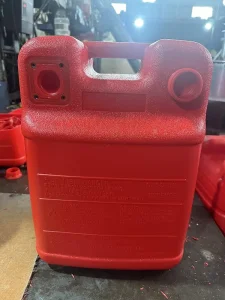
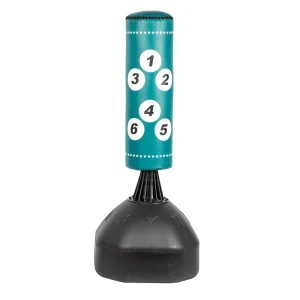
We leverage our advanced blow molding technology to manufacture a wide variety of high-performance polymer products.
 ShengHuang