Engineered to deliver exceptional buoyancy, stability, and longevity in commercial, marine, and rescue settings.
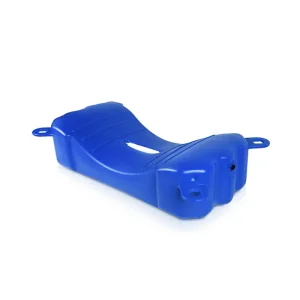
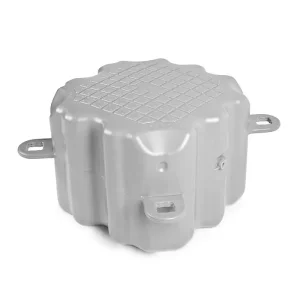
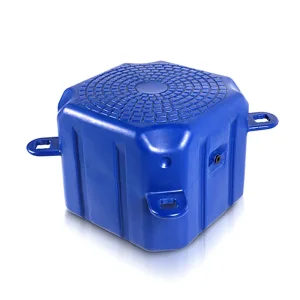
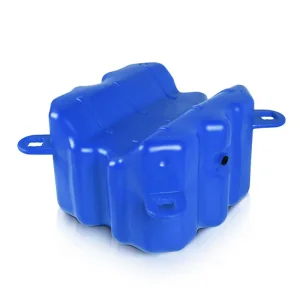
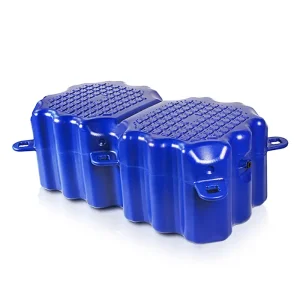
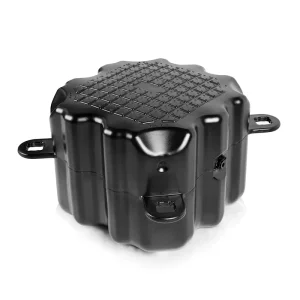

Modern commercial ports, municipal marinas, and aquaculture operations are increasingly moving away from heavy, high-maintenance timber and steel systems. The integration of High-Density Polyethylene (HDPE) plastic floating docks and modular boat ramps is driven by the demand for long-term corrosion resistance, mechanical durability, and environmental compliance.
As standard fixed structures face vulnerabilities due to tidal extremes and severe weather patterns, our blow-molded modular pontoons offer dynamic movement capabilities, adapting to fluctuating water levels while preserving local ecosystems from chemical treatments commonly found in pressure-treated wood structures.
Founded in 2019, Shenghuang Industrial & Trade Blow Molding Factory has established itself as an innovator in the high-capacity plastic blow molding sector. Located in Huangyan, Taizhou, Zhejiang—the manufacturing heartland and tooling capital of China—our facility integrates industrial-scale production capabilities to deliver engineering-grade floating solutions to international markets.
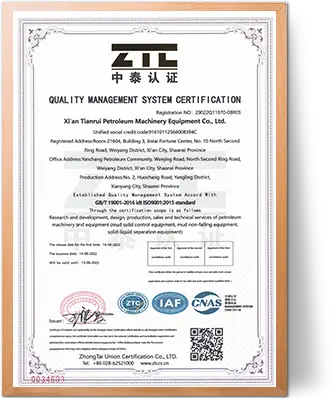
With an production area optimized for high-precision blow molding lines, we serve municipal, industrial, marine, and fitness sectors. Our ISO 9001 certification stands as the foundation of our quality control pipeline, ensuring that every pontoon and product shell leaving our factory floor delivers structural consistency and high-durability performance.
A look at the materials, structural developments, and sustainable practices steering our production into the next decade.
To resist long-term sunlight degradation in marine installations, we integrate custom UV15+ stabilizer packages into our virgin HDPE. This keeps the material from becoming brittle and failing under intense coastal sunlight, extending the operational life of the structure past 15 years.
Understanding that environmental impact is key to securing modern tenders, we construct our systems from 100% recyclable polyolefins. We actively minimize production waste by reprocessing trimmings and testing alternative, bio-based polymers to decrease the overall carbon footprint of our operations.
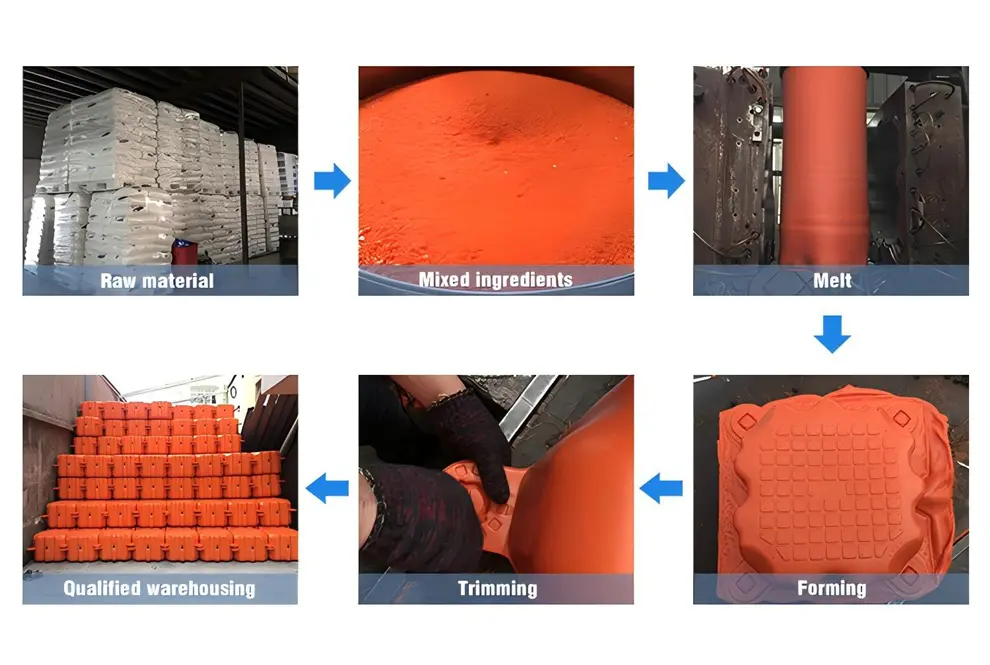
Every product batch is subjected to tests that evaluate tensile strength, drop resistance at freezing temperatures, and watertight reliability. Utilizing advanced blow molding automation allows us to maintain consistent wall thickness, minimizing structural stress points across all pontoons.
Deploying modular HDPE structures across different maritime, industrial, and recreation projects.
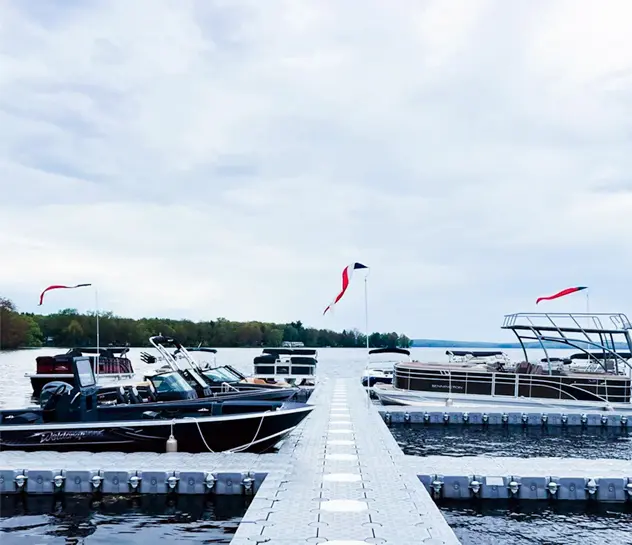
Designed for immediate access and reliable dry docking, our U-shaped and V-shaped modules reduce friction on hulls while providing a stable, non-slip workspace for crews and leisure craft operators.
Supporting weights up to 350kg/m², these heavy-duty setups withstand tools, materials, and constant foot traffic. They serve as reliable, floating research hubs, feeding stations, and harvesting platforms.
Designed for quick deployment and reliable load bearing, these platforms can be configured as temporary bridges, pontoon paths, or emergency staging areas during flood rescue and coastal infrastructure repairs.
Maintaining high standards of safety in marine applications requires strict adherence to international protocols. Our factory operations follow the ISO 9001 Quality Management System. This controls the entire manufacturing journey: from testing raw HDPE resins to verifying the strength of structural connection tabs under stress.
Our commitment to precision ensures that each floating cube retains its shape and remains waterproof, even in fluctuating temperatures and under constant wave action. This focus on durability reduces overall maintenance requirements, allowing operators to run their facilities without frequent service interruptions.


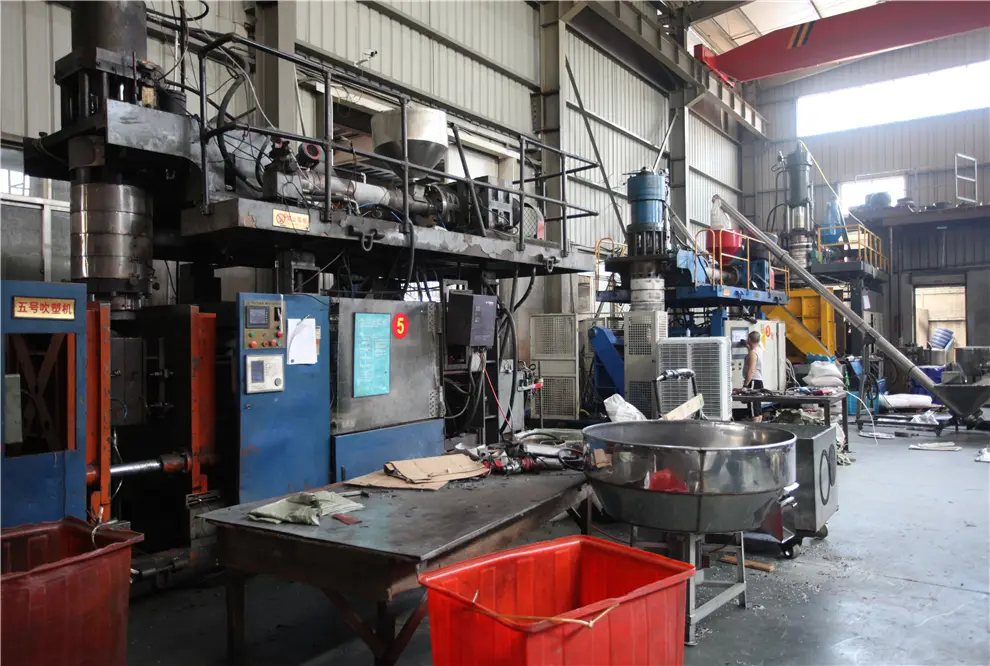
Our facility features automated blow molding lines, designed to handle large-volume industrial products and custom plastic shapes. The automated system tracks temperatures and cooling times precisely to avoid weak points or stress areas in the plastic shell, which is vital for docks exposed to freezing and warm temperatures.
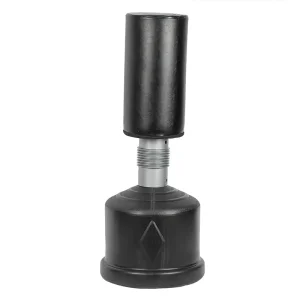
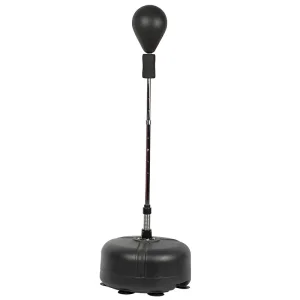
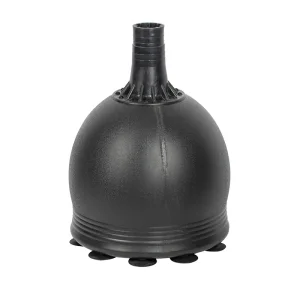
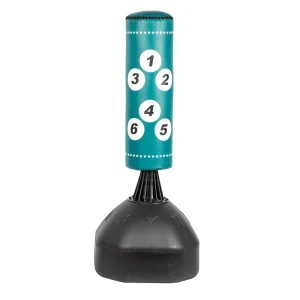
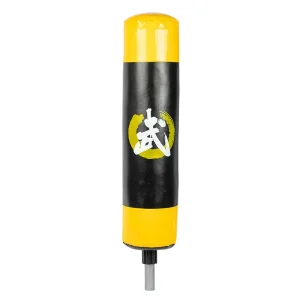
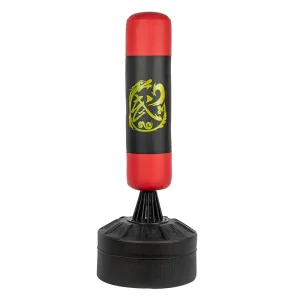
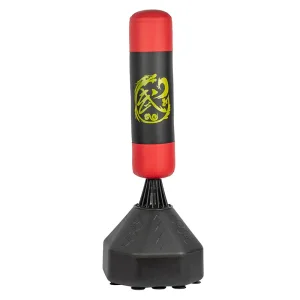
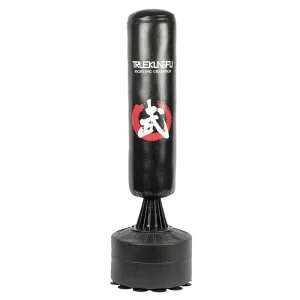
In addition to marine pontoons, our machinery produces durable, high-impact equipment bases, including those used for athletic training gear like heavy-base sandbags. This manufacturing flexibility highlights the adaptability of our industrial blow molding setups.
Bringing high-quality manufacturing to projects around the world with responsive, end-to-end support.
We work with established logistics networks to transport modular units and docking systems directly to your regional freight terminal, helping you manage transport costs and timeline requirements.
Our technical team helps clients plan configurations, select connecting hardware, and determine mooring locations to ensure projects are set up for success from day one.
We supply a range of anchoring hardware designed to keep systems stable in various conditions, from rocky lakebeds to sandy coastal shorelines.
From early design work to post-installation support, our team is available to help resolve technical questions and supply replacement parts as needed.








Answers to common questions regarding engineering, site installation, and environmental performance.
The system is designed with a flexible modular layout that absorbs and distributes wave impact throughout the platform. Connecting pins secure each block together, allowing the structure to roll with waves rather than fighting the current. Success in storm conditions depends heavily on choosing the right anchoring setup for your specific location.
Yes. The dock can remain in place year-round, even in saltwater environments. The angled shape of each cube is designed to slide up and rest on top of forming ice sheets rather than getting trapped. This protects the dock wall from crushing forces in winter environments.
In calm waters where ice thaws and melts gradually, the dock can safely stay in place. However, if your location experiences moving ice blocks or fast currents during the spring thaw, these forces can damage anchor points or displace the dock. In those environments, we suggest pulling the dock out before the winter freeze.
For comfortable, stable walking, we suggest a width of at least three cubes. This helps balance the load across a wider area and ensures the walkway feels steady for users.
Yes. With no load, the cubes draw only 2 to 4 inches of water. The critical depth is at the entry point of the ramp or dock, where you need enough depth to launch or retrieve your vessel without bottoming out. The platform is designed to safely rest on mud or sand during low tides.
Our factory began production of floating dock components in 2019, growing into a dependable manufacturer in Taizhou, China, and serving project needs worldwide.
Explore our full product catalog, showing the versatility of our automated blow molding machinery.
 ShengHuang