Explore our state-of-the-art modular floating platforms, pontoons, and marine storage units optimized for industrial performance.
The global marine and civil engineering sectors are experiencing a foundational paradigm shift. Traditional marine infrastructure—characterized by heavy concrete pontoons, pressure-treated timber wharves, and corrosion-prone steel piling installations—is rapidly being replaced by modular polymer floatation systems. Built on advanced material science, modern modular floating platforms engineered from high-density polymers offer unprecedented durability, ecological safety, and geographical adaptability.
Historically, the development of floating docks and marine work surfaces was constrained by the rapid degradation of materials exposed to harsh, marine-grade saline environments. Steel structures undergo severe galvanic corrosion; wood absorbs moisture leading to rot, fungal decay, and chemical leaching; while concrete platforms suffer from internal structural fracturing due to wave action, freeze-thaw cycles, and water ingress. The introduction of High-Density Polyethylene (HDPE) transformed these dynamics, offering absolute immunity to marine boring organisms, resistance to chemicals, and zero water absorption.
By designing these platforms as small, interconnected modular cubes (typically 50cm x 50cm or similar variants), structural engineers have resolved the challenge of localized wave energy absorption. Instead of acting as a rigid, monolithic barrier that takes the full structural impact of wave energy, modular platforms flex and distribute dynamic wave loading across thousands of micro-joints. This elastic response dramatically increases the overall system's lifespan and safety thresholds under adverse weather scenarios, establishing modular HDPE platforms as the standard for 21st-century marine architecture.
Global population growth and wild-caught fishery depletion have accelerated aquaculture operations worldwide. Modular HDPE cages and maintenance walkways allow operators to install expansive farming zones in remote offshore environments, resisting strong tides while protecting stock.
As green energy targets squeeze terrestrial land use, floating solar arrays on industrial reservoirs, hydro dams, and mining lakes have surged. These modular systems must possess chemical resistance, high buoyancy retention, and precise UV protection indices to guarantee a 25-year operational window.
For civil engineering works—such as bridge construction, pipeline repairs, dredging, and marine resource exploration—workers require safe, stable, and highly configurable walking platforms. Standard units provide over 350 kg/m² of active load capacity, supporting heavy machinery, scaffolding, and transport vehicles.
From the severe wave patterns of high-latitude North Sea offshore installations to the humid, high-UV environments of aquaculture projects in Southeast Asia, modular floating platforms must perform reliably. Global procurement agents require platforms that can be customized to localized application scenarios. Systems must function efficiently across wide temperature envelopes (typically ranging from -60°C to +80°C) without losing tensile strength, suffering from thermal deformation, or showing signs of environmental stress cracking (ESCR).
The concentration of advanced plastics manufacturing in China—particularly in specialized clusters like Huangyan, Taizhou in Zhejiang—provides global buyers with unique supply chain advantages. Often called the "molding capital" of China, this industrial ecosystem aggregates raw material suppliers, high-precision tooling makers, state-of-the-art machinery manufacturers, and logistics networks in a single geographic hub.
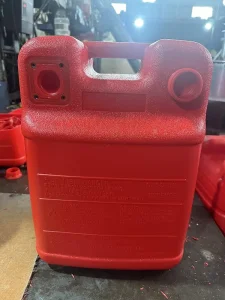
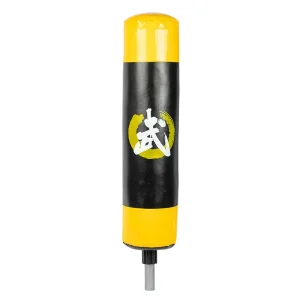
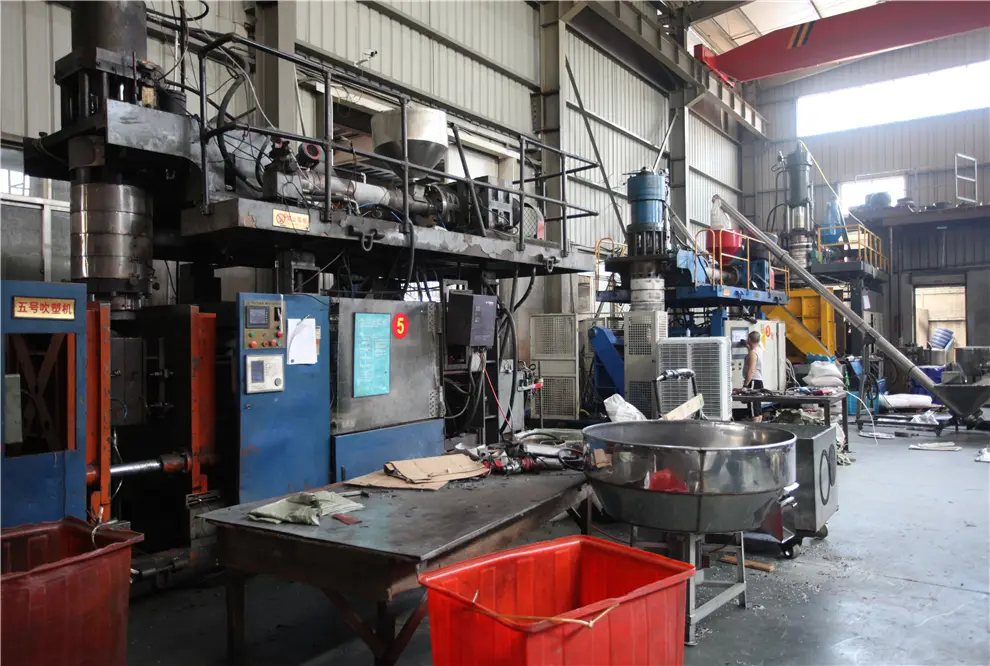
Shenghuang Industrial & Trade Blow Molding Factory, founded in 2019, has capitalized on this highly efficient industrial hub. By operating advanced, fully automated extrusion blow molding production lines, the factory ensures consistent, high-yield manufacturing of complex structures, including:
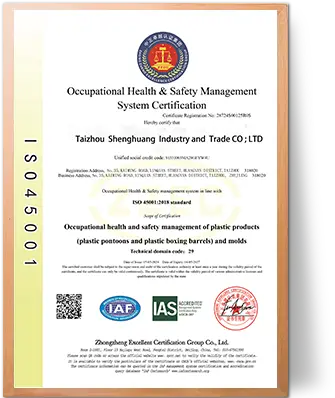
Demonstrating our commitment to engineering expertise, material verification, and international manufacturing standards.
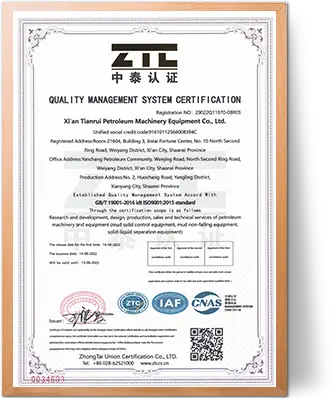
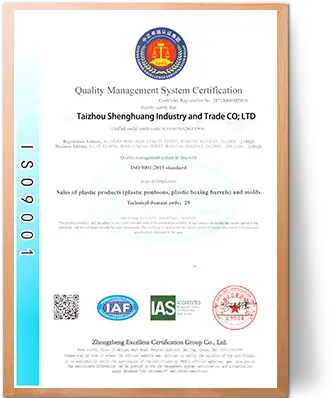
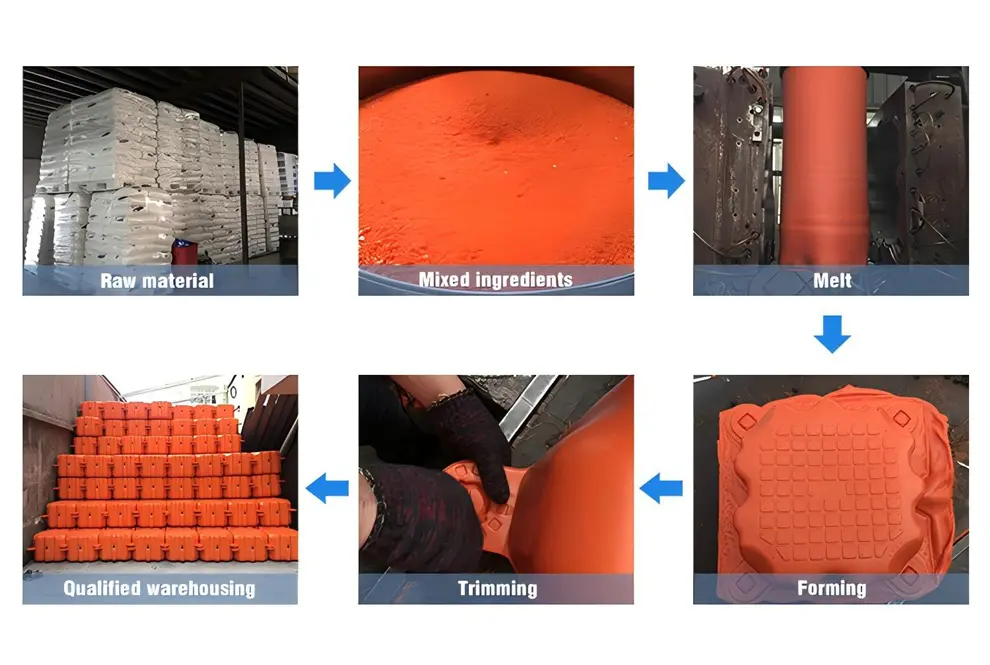
Shenghuang operates under strict ISO 9001 protocols. Raw material selection is limited to premium high-density polyethylene (HDPE) compounds. Every batch is verified for melt flow index (MFI), density distribution, and thermal stability before entering the extrusion process.
Our dedicated R&D division manages custom mold-making facilities in Taizhou. This integration allows us to adjust wall thickness distribution profiles (parison programming), optimize interior structural ribs, and accelerate custom prototyping for new modular designs.
Aligned with global environmental requirements, our factory prioritizes green manufacturing. Our modular floating platforms are produced using 100% recyclable, non-toxic food-grade HDPE, ensuring zero chemical leaching into sensitive marine ecosystems.
Real-world performance of floating platforms depends heavily on the installation context. Different environments present unique mechanical stresses:
Verified real-world setups across industrial, sporting, commercial, and residential sectors.
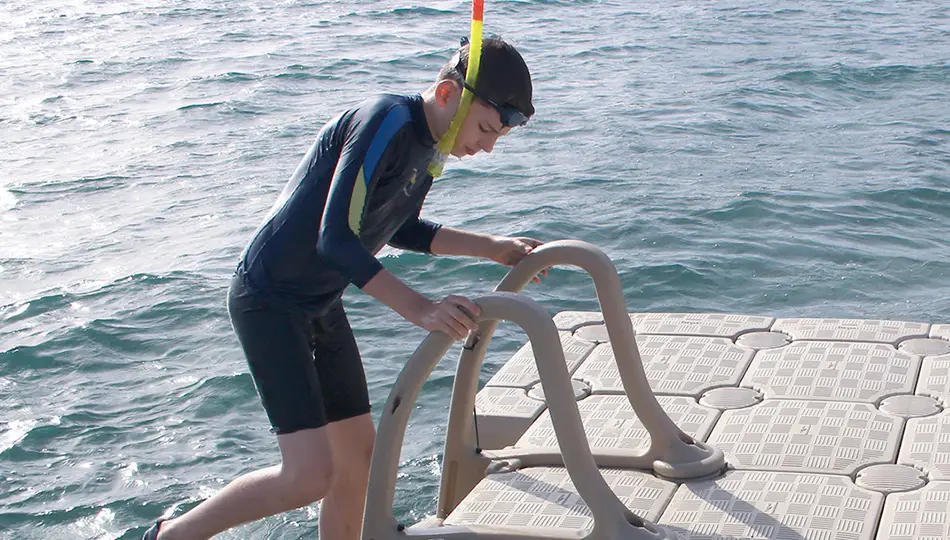
High-traffic yacht slips and passenger loading platforms requiring excellent stability and non-slip safety textures.
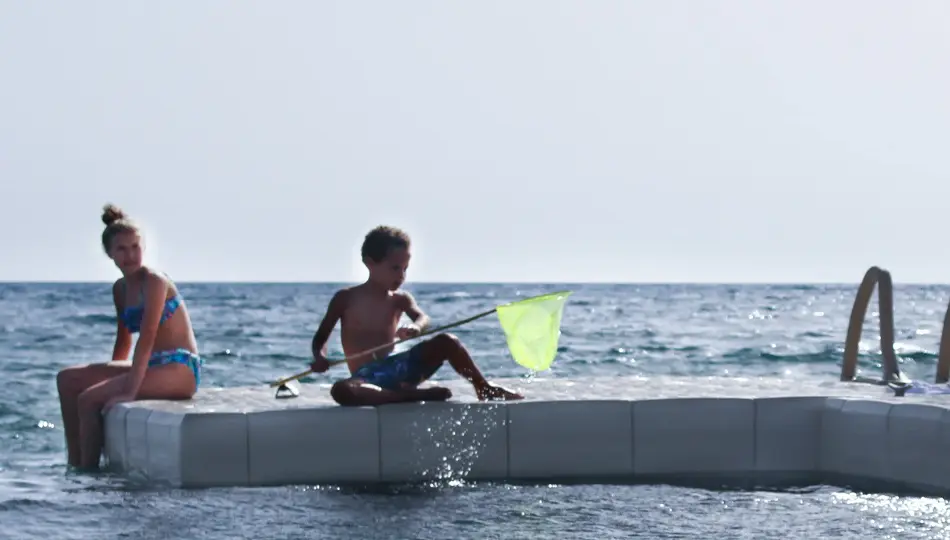
Sturdy platform configurations supporting maintenance crews, structural tools, and industrial pumps.
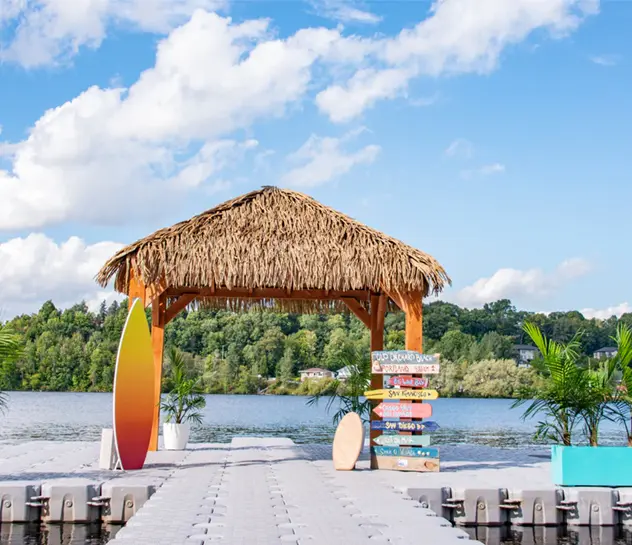
Chemical-resistant pathways and cage support systems designed to endure constant wave motion and biofouling.
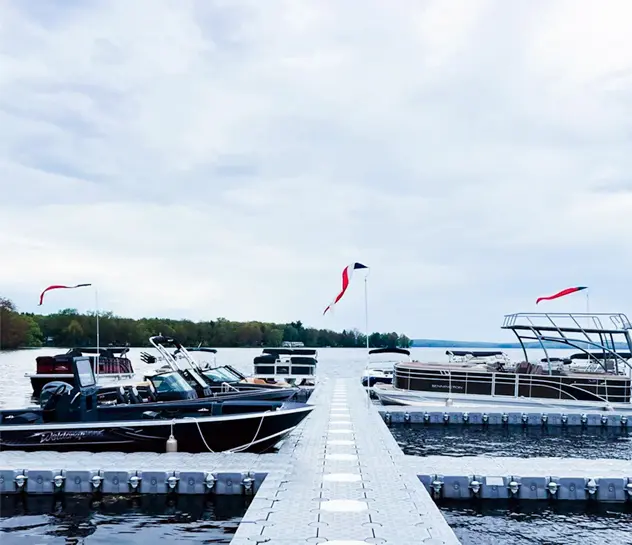
Eco-friendly modular boardwalks over wetlands and nature reserves that protect benthic environments.
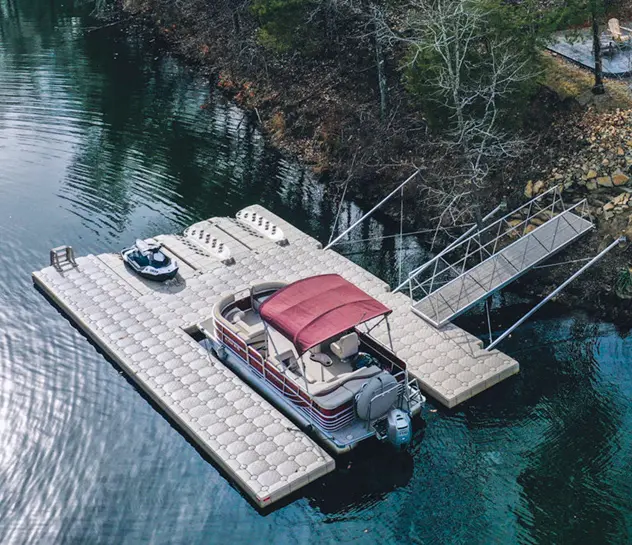
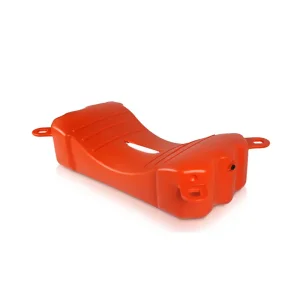
Engineered V-shaped entry points with integrated rollers to facilitate easy launching and dry storage of personal watercraft.
Collaborating with global distributors and commercial buyers to deliver durable floating solutions.








Our experienced staff, sales support teams, and application engineers collaborate closely with clients to deliver optimal configurations, load calculations, and anchor planning.
Integrated blow-molding R&D tooling facilities allow us to design custom molds, adjust wall thickness profiles, and accommodate custom product dimensions quickly.
Fully automated machinery controls material temperature, parison distribution, and cooling rates, ensuring zero internal stress points in our floating products.
From pre-sales consultations and wave tolerance simulations to international logistics and anchoring support, we provide end-to-end guidance for all projects.
Highlighting our primary modular configurations designed for heavy-duty marine applications.
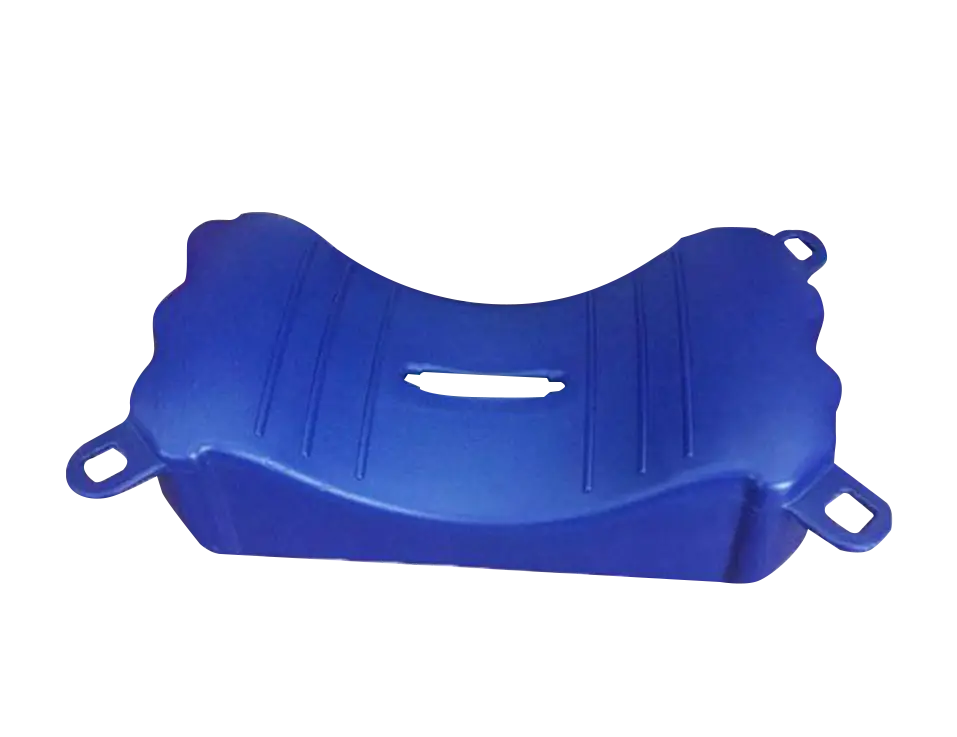
Allows for drive-on entry, keeping personal watercraft completely dry and clean.
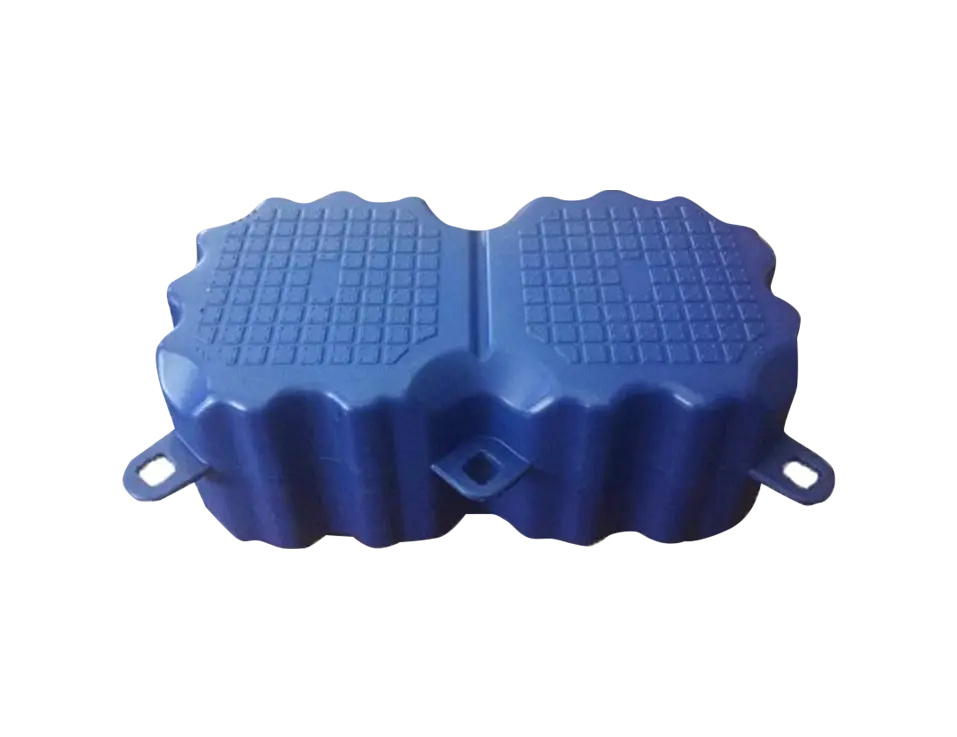
Dual-interlocking layout built for heavy loads, equipment setups, and pedestrian gangways.
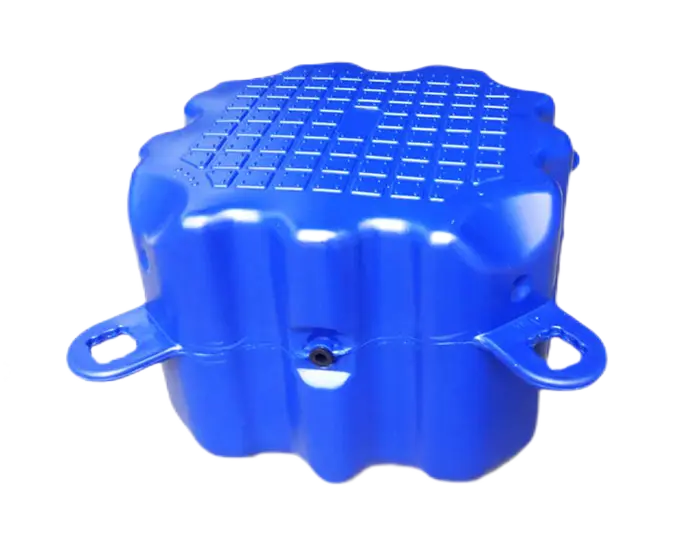
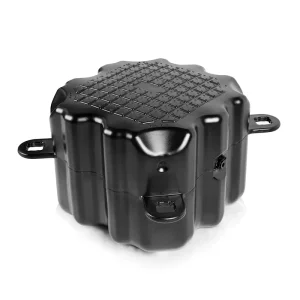
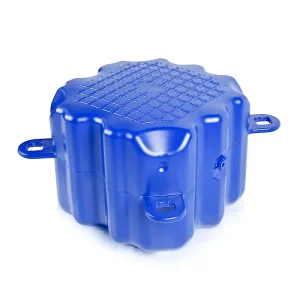
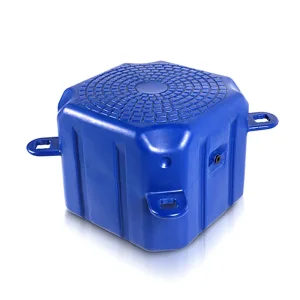
The core modular building block (50x50x40cm), customizable for any shape or footprint.
Detailed responses to common questions about material parameters, weather survival, and shipping logistics.
Our modular floating docks are built to survive extreme weather. Unlike rigid structures, the modular design distributes wave energy across dynamic interlocks. Dynamic wave forces roll through the platform, reducing stress on any single point. Over the years, clients in coastal regions have reported excellent performance during severe storm and typhoon conditions.
The platform is designed to remain in the water year-round. Our HDPE material contains elastomeric properties that withstand sub-zero conditions without turning brittle. When water freezes, the upward pressure forces the sloped design of the cubes to rise above the ice sheets, preventing crushing forces. The system is safe to leave in the ice as long as there is no moving, heavy flow ice that could physically shear anchoring hardware.
Yes. For regions without a local distributor, we coordinate direct factory shipping. Systems are loaded into shipping containers and sent to your nearest port or logistics hub, with full assembly manuals and design blueprints provided.
For safe public or crew walking paths, we recommend a minimum width of three cubes (approximately 1.5 meters). This width provides reliable stability, prevents tipping moments, and supports up to 350 kg/m² under standard conditions.
Yes, our modular system operates in water as shallow as 2 to 4 inches (5 to 10 cm). The cubes can settle flat on mud, sand, or gravel bottoms during low tide and float back up as the tide returns. The primary requirement is that there must be sufficient depth at the launch side to float boats or watercraft safely off the platform.
Shenghuang entered the plastics blow molding sector in 2019, growing into a major manufacturer of floating platforms, industrial containers, and sporting goods. We operate modern production facilities in Taizhou, Zhejiang, shipping products to distributors, commercial projects, and developers globally.
We blend UV-15 inhibitors directly into the HDPE compound during melt extrusion. This chemical compound protects the polymer chain from sunlight degradation. Even in high-solar environments, our platforms retain their tensile strength and color stability, preventing chalking and cracking over a projected 15+ year operational lifespan.
Our automated extrusion blow molding machines feature dynamic parison programmers. During extrusion, the machine dynamically adjusts the thickness of the hot plastic tube based on mold geometry. This ensures that the corners and load-bearing columns of the cubes—which stretch the most during molding—maintain the specified wall thickness, preventing weak spots and structural failures.
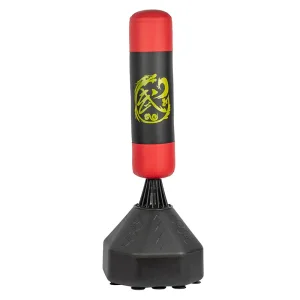
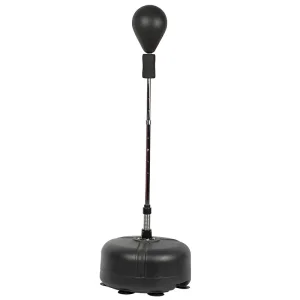
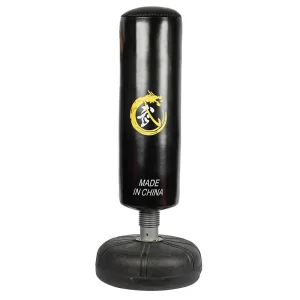
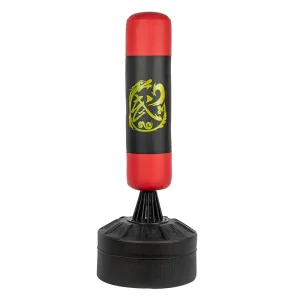
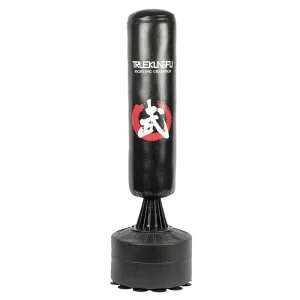
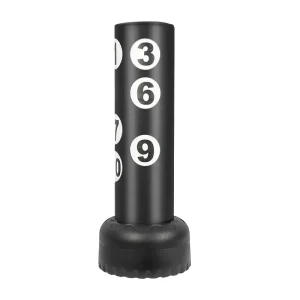
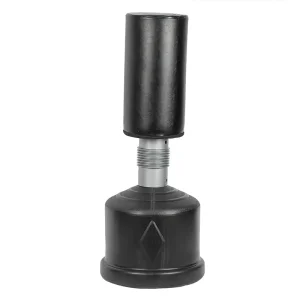
High-durability OEM products manufactured using the same advanced polymer and blow molding techniques.
 ShengHuang