Explore our premium range of HDPE floating docks, heavy-duty training equipment, and custom blow-molded industrial components engineered for extreme environments.
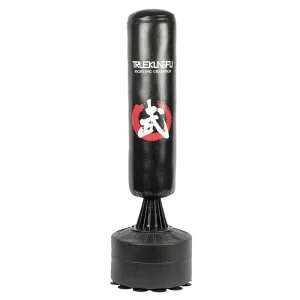
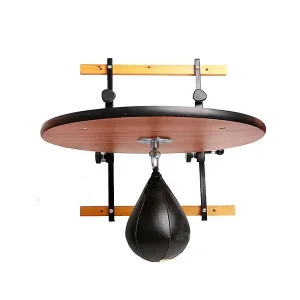
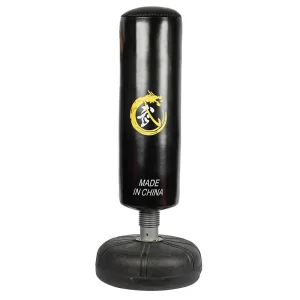
Pioneering High-Precision Polymeric Blow Molding and Engineering Solutions Since 2019
Established in 2019, Shenghuang Industrial & Trade Blow Molding Factory has quickly consolidated its position as a technological innovator and premier manufacturer in the heavy-duty plastic blow molding industry. Our global headquarters is strategically situated in Huangyan, Taizhou, Zhejiang—the universally recognized capital of molding machinery and advanced plastic fabrication in China. Leveraging this robust manufacturing ecosystem, we deliver state-of-the-art polymer solutions that service critical sectors, including marine infrastructure, packaging engineering, automotive components, consumer appliances, and heavy environmental installations.
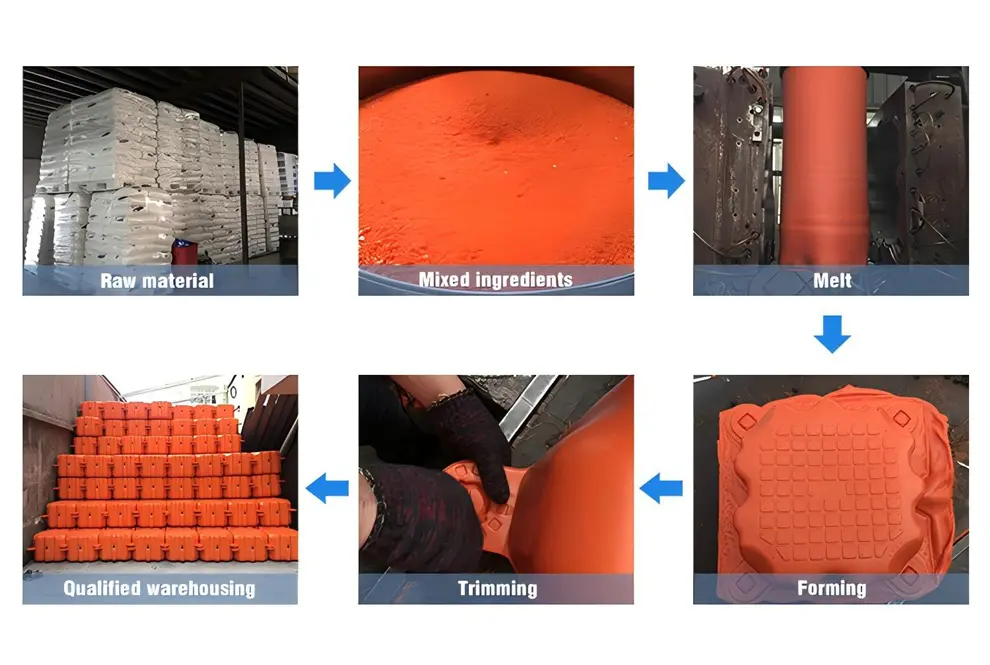
Our production plant integrates fully automated, high-capacity blow molding lines. This advanced machinery enables the precise thermal manipulation of thermoplastic materials, ensuring high structural integrity, exact uniform wall-thickness distribution, and unmatched resilience in bulk containers, pontoon structures, safety buoys, and custom OEM blow-molded configurations. Operating under the rigorous directives of the ISO 9001:2015 Quality Management System, our engineering teams ensure that raw materials—predominantly High-Molecular-Weight High-Density Polyethylene (HMW-HDPE)—comply with strict international standards before moving to extrusion, molding, and hydrostatic pressure testing.
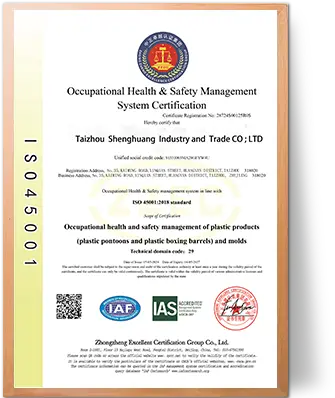
International standards for production management and quality assurance.
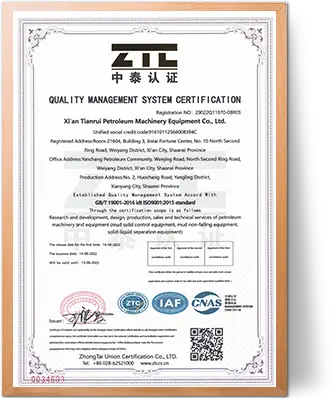
Advanced blow molding technological standard compliance validation.

Verified materials and techniques safe for marine ecosystem applications.
Why maritime engineering firms and heavy industrial buyers select Shenghuang as their prime manufacturing partner.
Our agile research & development framework accommodates bespoke client configurations. From customized dimensions to distinct structural load requirements, our polymer engineers tailor products to meet precise maritime safety envelopes.
Fully computerized extrusion machines modulate parison control dynamically. This mitigates weak points and structural anomalies, producing single-molded components that have zero weld lines and high hydrostatic integrity.
We strictly utilize recyclable and non-toxic polymer resins. Under our green manufacturing initiatives, we minimize chemical waste, use energy-efficient manufacturing machinery, and support clean-water initiatives worldwide.
A comprehensive overview of polymeric marine architecture, material properties, and supply chain strategies.
High-Density Polyethylene (HDPE) has revolutionized modern marine engineering, replacing traditional wood, concrete, and steel structures. The polymer's molecular density ranges from 0.941 to 0.965 g/cm³, featuring minimal branching that results in high intermolecular forces and tensile strength. In marine environments, HDPE's chemical inertness is highly advantageous, offering complete resistance to saltwater corrosion, marine biofouling, and acidic chemical pollutants.
To resist solar degradation, our HDPE pontoon floats are integrated with high-grade carbon black or specialty UV-stabilizer masterbatches during processing. This provides high UV-stabilization (typically UV8 or higher), preventing environmental stress cracking (ESCR) when exposed to constant solar radiation and water level fluctuations.
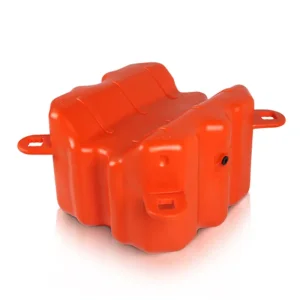
From commercial marine installations to heavy industrial setups, modular HDPE floats serve as the building blocks for diverse infrastructure projects:
Operating in Huangyan, Taizhou, Shenghuang Industrial leverages localized manufacturing efficiencies. This includes access to tooling engineering, automated polymer processing, and efficient domestic and international transport networks.
Our production facilities utilize modern industrial automation, integrating computerized parison thickness profiling. This ensures uniform wall thickness across every pontoon float, eliminating structural vulnerabilities. By using computerized temperature control, automated cooling cycles, and high-efficiency extrusion molds, we offer reliable product quality at competitive pricing, even for large custom orders.
Navigating global regulatory frameworks is critical for municipal and industrial engineering projects. Our manufacturing systems comply with leading international quality and safety standards:
The next generation of marine float technology focuses on smart infrastructure and sustainable materials. Shenghuang's research and development roadmap focuses on two main innovations:
Inside our Huangyan blow molding production plant and marine testing facilities.
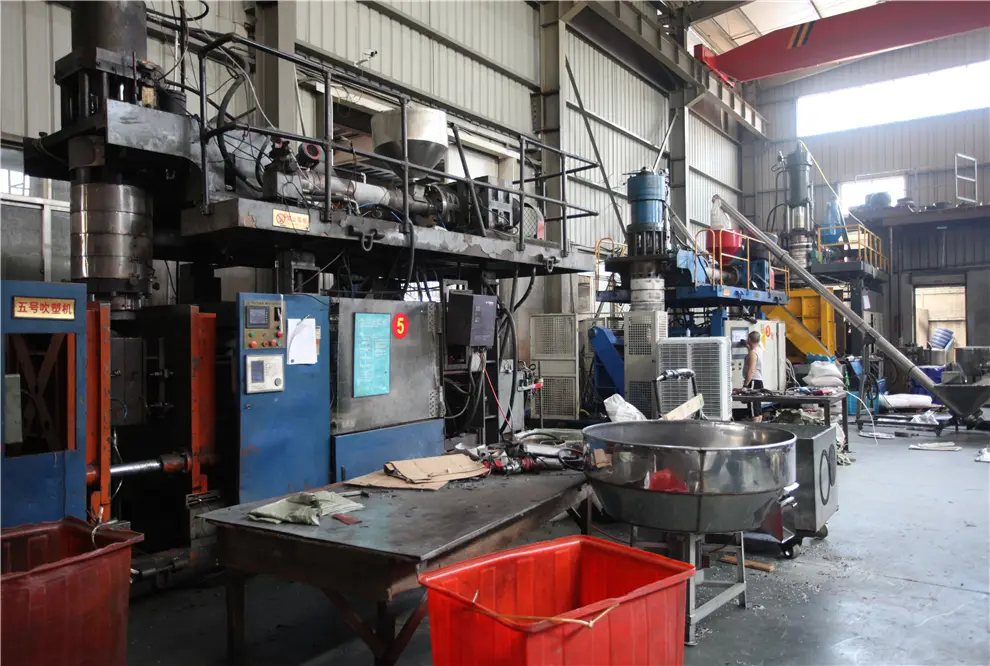
Expert engineering answers about HDPE pontoon performance, installation configurations, and manufacturing protocols.
Our modular HDPE floating dock systems are designed to withstand extreme weather. Thanks to the flexibility of the modular locking pin design and the high tensile strength of our polymer material, the dock can flex with wave energy rather than resisting it rigidly. In heavy storm conditions, we recommend utilizing dynamic mooring chains and shock-absorbing spring anchors to secure the dock. Our global clients report excellent performance even during major typhoon events.
Yes, absolutely. In regions without a dedicated local distributor, Shenghuang manages direct containerized shipments (FCL or LCL) directly from our factory in China to your nearest sea port or freight terminal. We provide complete customs documentation, commercial invoices, and digital installation guides to support offloading and setup.
Yes. The modular HDPE system is designed to remain in the water year-round, even in freezing climates. High-Density Polyethylene retains its structural flexibility down to -60°C without turning brittle. When ice forms, the modular cubes are designed with a tapered, wedge-like base structure. As ice expands, it pushes the floats upward, causing the dock to rest on top of the ice sheet rather than being crushed by it.
While stationary freezing ice is safe for the system, moving ice sheets present different challenges. If your installation experiences heavy water currents or moving ice floes, these can exert high force on any marine structure. In water bodies with significant seasonal ice floes, we recommend detaching the modular dock during winter and re-installing it in spring to protect it from collision damage.
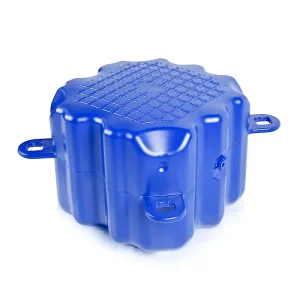
For safe pedestrian use, we recommend a minimum width of three modular cubes (approx. 1.5 meters). This width balances water displacement and ensures a stable surface that supports weight without excessive tipping. Each individual standard cube has a buoyancy rating of approximately 200 lbs (90 kg), ensuring a stable platform even under concentrated loads.
Yes. Our modular HDPE pontoons draw only 5 to 10 cm of water when unloaded. In shallow zones with low tides, the system is designed to rest safely on the sandy or muddy bottom. The crucial factor is ensuring sufficient depth at the access ramp or drive-on section to allow boats to slide off safely without bottoming out.
Shenghuang Industrial was founded in 2019, growing to become a prominent specialist in high-capacity blow molding in China. Over the years, we have scaled our production to manufacture high-precision floating docks and marine accessories, supplying industrial buyers and distributors across international markets.
Our solutions are deployed globally across aquaculture farms, public parks, private marinas, and industrial sites.
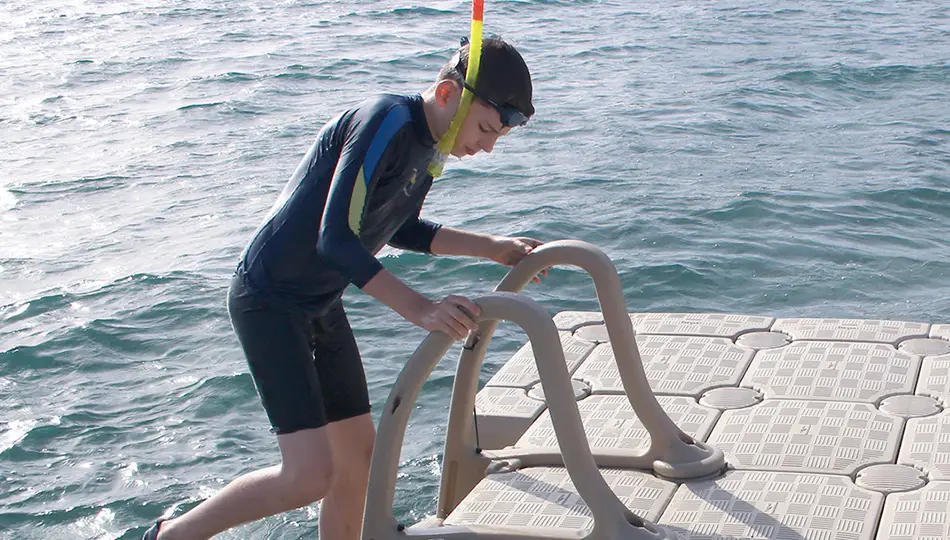

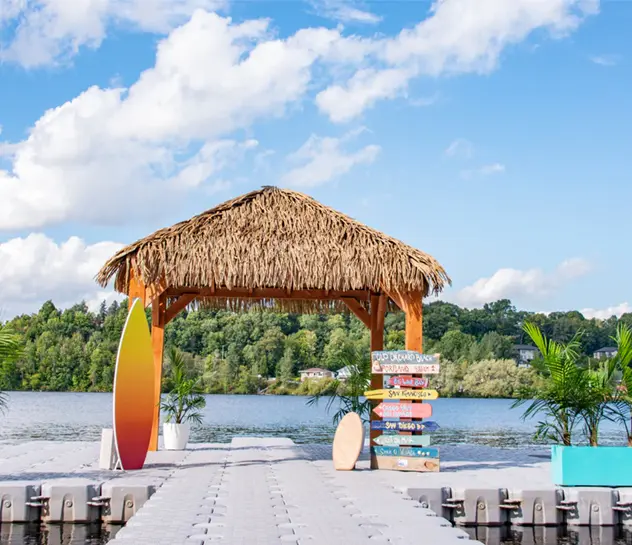
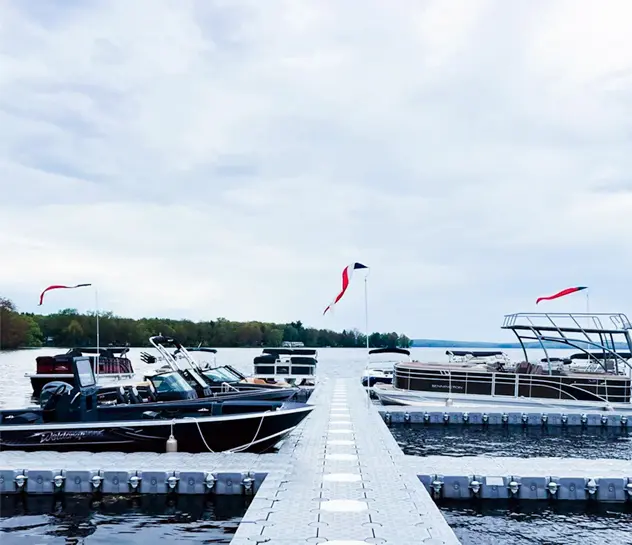
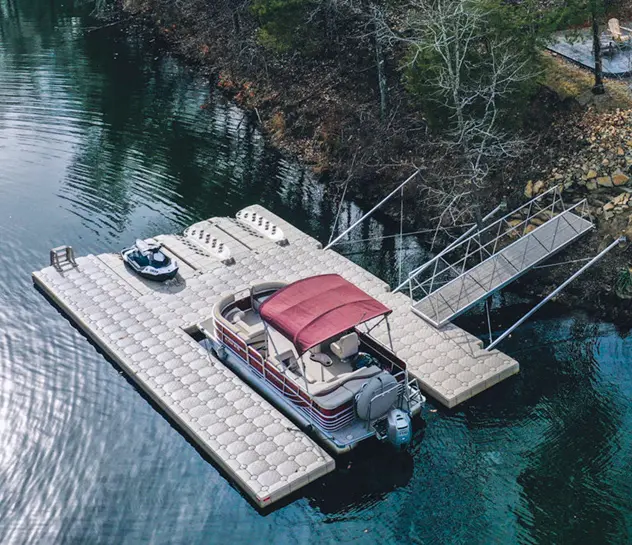










Premium OEM and ODM solutions engineered for durability, environmental compliance, and high performance.
 ShengHuang