High-density polyethylene marine pontoon units, heavy-duty boxing training accessories, and versatile structural elements engineered for peak global performance.
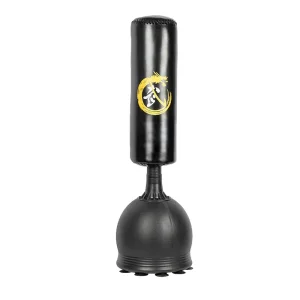
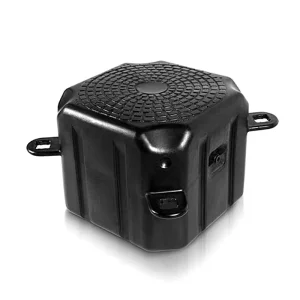
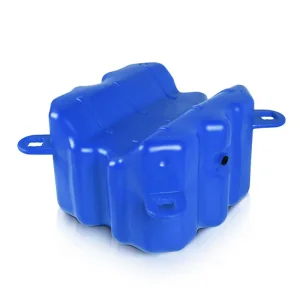
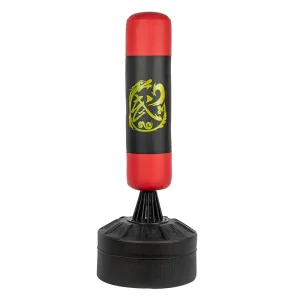
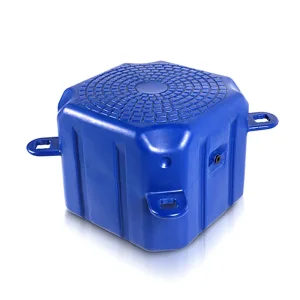
An in-depth analysis of high-density polyethylene modular marine systems for marine engineers, procurement directors, and commercial developers.
Modern commercial waterways, marina properties, and heavy industrial operations demand highly resilient, maintenance-free solutions for over-water platforms. Traditional wood, steel, and concrete docks present severe long-term liabilities: wood rots and requires recurring chemical treatments; steel rusts under saline exposure; concrete is prone to micro-cracking and difficult deployment. High-Density Polyethylene (HDPE) has emerged as the premier structural polymer for marine platforms due to its unmatched chemical inertia, high tensile strength, and impact resistance under extreme environments.
By leveraging advanced extrusion blow molding manufacturing techniques, China manufacturers produce modular HDPE pontoon cubes that combine robust mechanical design with economic scalability. With load ratings exceeding 350kg/m² and dynamic flexible joint assemblies, modern HDPE floating docks withstand high wind speeds, heavy waves, and the shifting dynamics of active tidal zones.
Founded in 2019, Shenghuang Industrial & Trade Blow Molding Factory is a leading innovator in the plastic blow molding industry. Our state-of-the-art facility is strategically headquartered in Huangyan, Taizhou, Zhejiang—the absolute epicenter of China’s high-precision mold manufacturing infrastructure. This geographical advantage allows us to rapidly design, iterate, and manufacture advanced custom blow-molded solutions spanning commercial marine pontoons, industrial containers, automotive elements, and structural training equipment.
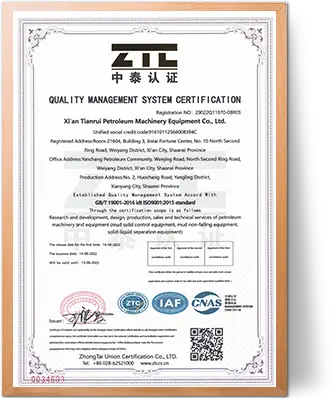
Our facility houses high-tonnage automated blow molding lines capable of producing large structural parts with uniform wall thickness and complex geometric cavities. Operating under the strict framework of the ISO 9001 Quality Management System, every production run undergoes rigorous thickness distribution analysis, drop tests, load-bearing validations, and leak detection protocols. This ensures our final floating pontoon units, boxing components, and fluid storage systems perform reliably under the harshest operational conditions.


Sourcing HDPE floating components from leading Chinese factories provides global buyers with structural cost-efficiencies and technological advantages:
Our commitment to green chemistry, resource efficiency, and automated precision in blow molding operations.
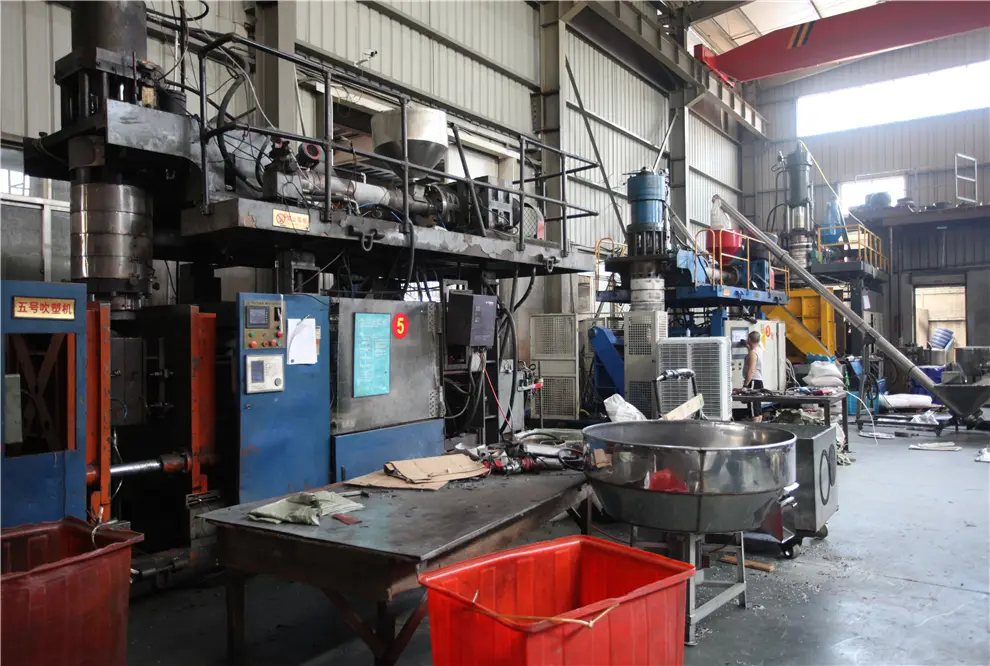
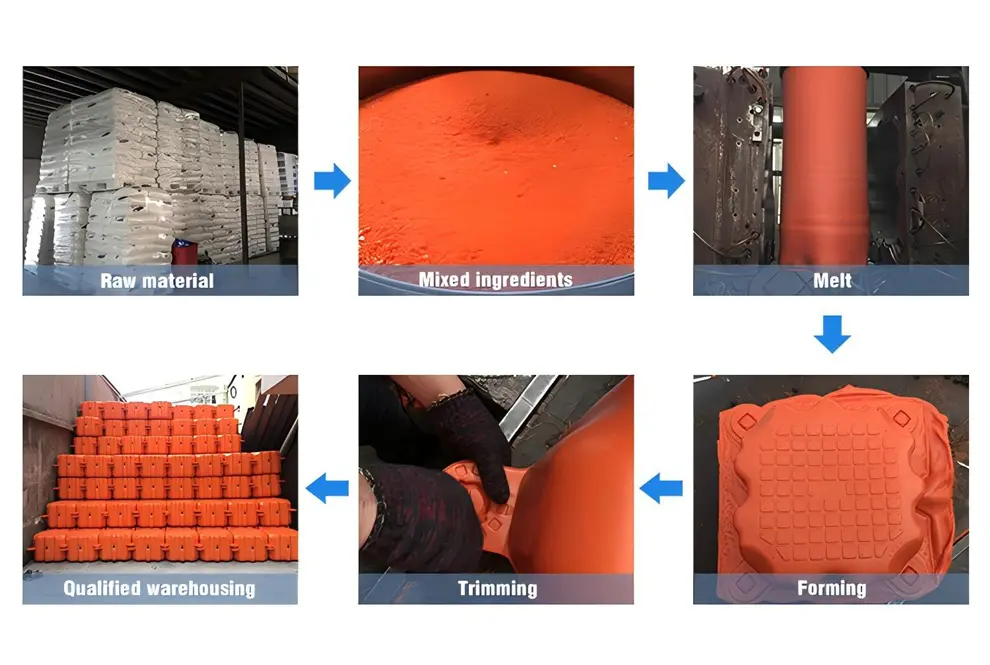
Shenghuang actively promotes green manufacturing by utilizing 100% recyclable, non-toxic polymer materials. Our factory continuously optimizes cooling-water recycling, reduces energy footprint per ton of material processed, and complies with international eco-standards. This makes our floating modular systems completely safe for sensitive marine ecosystems, lakes, and drinking water reservoirs.
Industrial marine procurements are rarely static transactions; they require deep alignment with specific engineering loads, weather profiles, and mooring requirements. Large commercial operators, utility companies, and municipal buyers assess procurement based on the following framework:
From municipal water parks to heavy offshore industrial platforms, the versatility of our modular pontoon units accommodates diverse aquatic environments:
Modular HDPE structures can be configured as walkways, finger piers, or floating slips. The non-slip surface, lack of exposed metal fasteners, and chemical inertness ensure zero damage to vessel hulls while providing safe passenger boarding.
Ideal for supporting heavy industrial pumps, dredging equipment, or over-water mining pipelines. Pontoons can be configured with structural steel frames to handle extreme point loads without sacrificing buoyancy.
Our non-toxic, eco-friendly food-grade HDPE prevents micro-plastic shedding, creating a clean, safe environment for sensitive fish farming and marine cultivation systems.
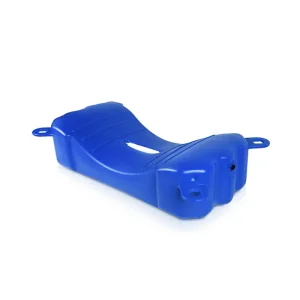
Specially molded U-docks and twin pontoon structures allow Jet Skis and motorboats to easily drive out of the water, preventing hull fouling and simplifying maintenance.
The global floating infrastructure landscape is evolving rapidly, driven by climate change adaptation, the growth of green energy, and advancements in polymer chemistry:
Trusted by industry leaders and distributors worldwide for structural integrity, timely fulfillment, and dedicated engineering support.










Comprehensive engineering and procurement answers regarding structural performance, environmental challenges, and site configurations.
Our floating dock systems perform exceptionally well in heavy wind and storm conditions due to their modular, flexible joint layout. Unlike rigid wood or concrete docks that crack under heavy shear stress, the interlocking HDPE cubes flex with wave movement, effectively dissipating dynamic wave energy. The structural pins distribute load evenly across the entire footprint. Following major typhoons, global operators consistently report that our properly anchored modular platforms remained secure and undamaged, while adjacent rigid docks suffered structural failures.
Yes. For regions without a local distributor, we coordinate direct factory export shipping. We handle container logistics, load optimization, and deliver the system directly to your nearest commercial ocean port or local freight terminal for convenient pickup. Complete technical documentation and installation kits are included with every order.
Absolutely. The dock system can remain in place year-round, even in freezing saltwater or freshwater environments. The engineered structure of the individual cubes features a distinct draft angles. As the water freezes, the surrounding ice squeezes the docks, causing them to safely pop up and rest on top of the ice sheet rather than being crushed.
In freezing environments, the primary risk is dynamic water flow and moving ice blocks rather than ice itself. If the water body freezes statically and thaws in place, the system can safely remain installed year-round. However, if your location experiences heavy spring currents with large, moving ice floes, these can shear anchoring lines and damage the platform. In such high-stress scenarios, we recommend temporarily dismantling and towing the modular dock to shore for winter storage.
For standard pedestrian walkways, finger piers, or gangways, we recommend a minimum width of three cubes (approx. 1.5 meters). This width provides excellent lateral stability, ensuring the platform remains stable under load. Each individual cube provides balanced buoyancy (approx. 90kg or 200 lbs per cube), creating a solid and secure footing for walking.
Yes, our modular pontoons can be used in shallow water. Without a load, the cubes draw only 5 to 10 cm (2 to 4 inches) of water. During low tide, the system can rest directly on the soft seabed or lakebed without damage. The critical requirement is ensuring adequate water depth at the entry end of the dock when launching vessels to allow the outboard drive unit or hull to float clear.
Our factory began dedicated operations in 2019, establishing itself as a pioneer in large-scale modular plastic blow molding within Taizhou, Zhejiang. Over the years, we have grown into one of China's leading manufacturers of high-performance HDPE floating docks. By integrating advanced production lines, robust quality control systems, and in-house mold design, we consistently deliver top-quality marine infrastructure solutions to commercial clients worldwide.
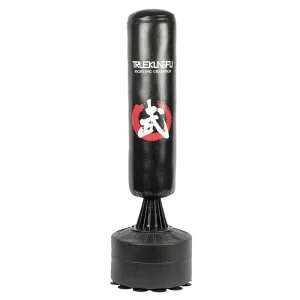
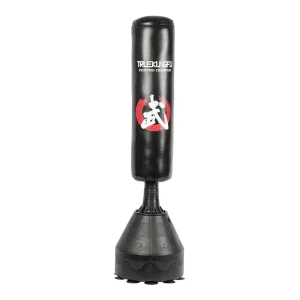
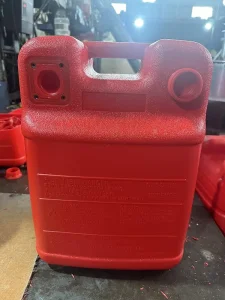
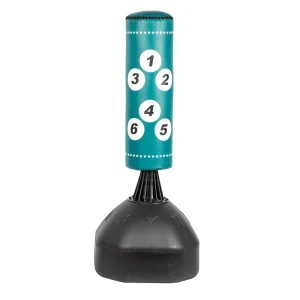
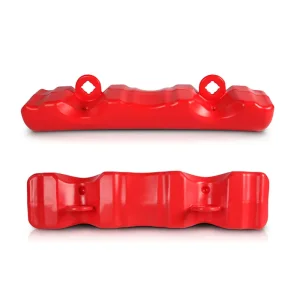
Complete your floating modular project with durable training accessories, specialized fuel systems, and custom-molded marine parts.
 ShengHuang