Engineered high-density buoyancy solutions designed for robust industrial, commercial, and fitness applications worldwide.
The landscape of marine engineering has undergone a fundamental transformation. For centuries, maritime logistics and localized waterfront infrastructure relied on treated wood, reinforced concrete, and heavy steel structures. However, these traditional materials are severely limited by accelerated biological degradation, moisture-induced corrosion, high installation complexity, and adverse ecological footprints. Enter High-Density Polyethylene (HDPE)—a high-performance thermoplastic polymer that has redefined the durability and engineering flexibility of modern aquatic infrastructure.
HDPE floating docks represent a pinnacle of material science and mechanical design. Utilizing a modular cube structure, these systems distribute load dynamically across multiple interconnected buoyancy cells. This engineering design allows the dock to flex in harmony with waves, rather than resisting them rigidly, which significantly reduces the structural fatigue common to stationary systems. The raw material boasts an exceptional molecular density, ensuring high tensile strength, outstanding impact resistance, and complete chemical inertness in both freshwater and hyper-saline ocean conditions.
Expert Industry Insight: The application of high-molecular-weight HDPE in manufacturing ensures that floats possess an environmental stress-cracking resistance (ESCR) that far exceeds that of standard low-density polymers. This allows installations to achieve service life thresholds of up to 15-20 years with near-zero ongoing maintenance costs.
Founded in 2019, Shenghuang Industrial & Trade Blow Molding Factory is a leading innovator in the plastic blow molding industry. Headquartered in Huangyan, Taizhou, Zhejiang province—a globally recognized manufacturing hub renowned for its robust tooling and mold fabrication infrastructure—the company has quickly scaled into a trusted international supplier. Our product portfolio spans multiple critical sectors, including marine pontoons, industrial packaging, automotive components, consumer appliances, and custom-engineered environmental systems.
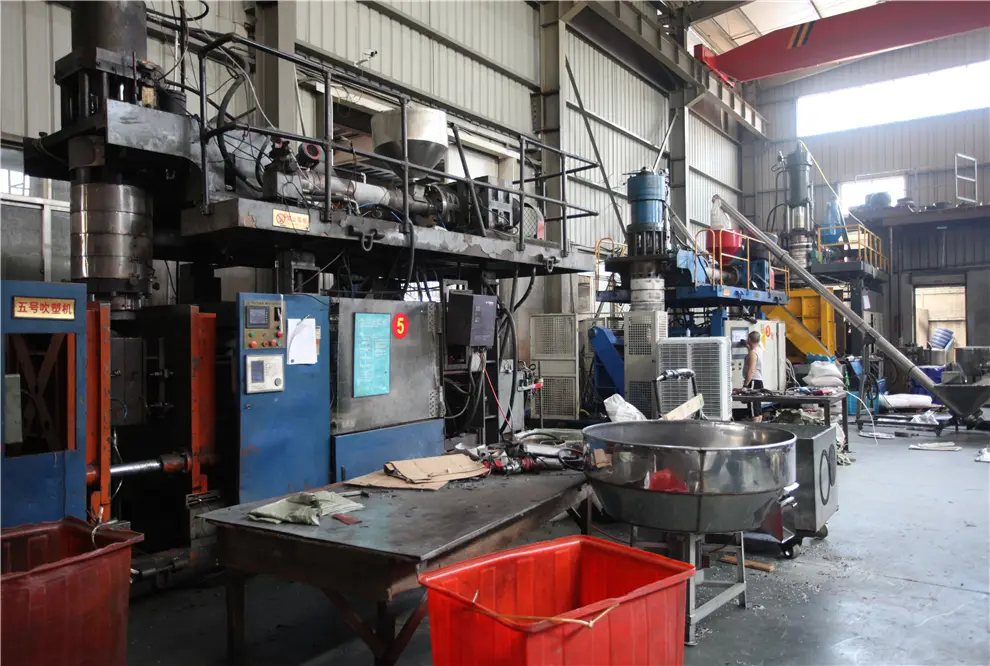
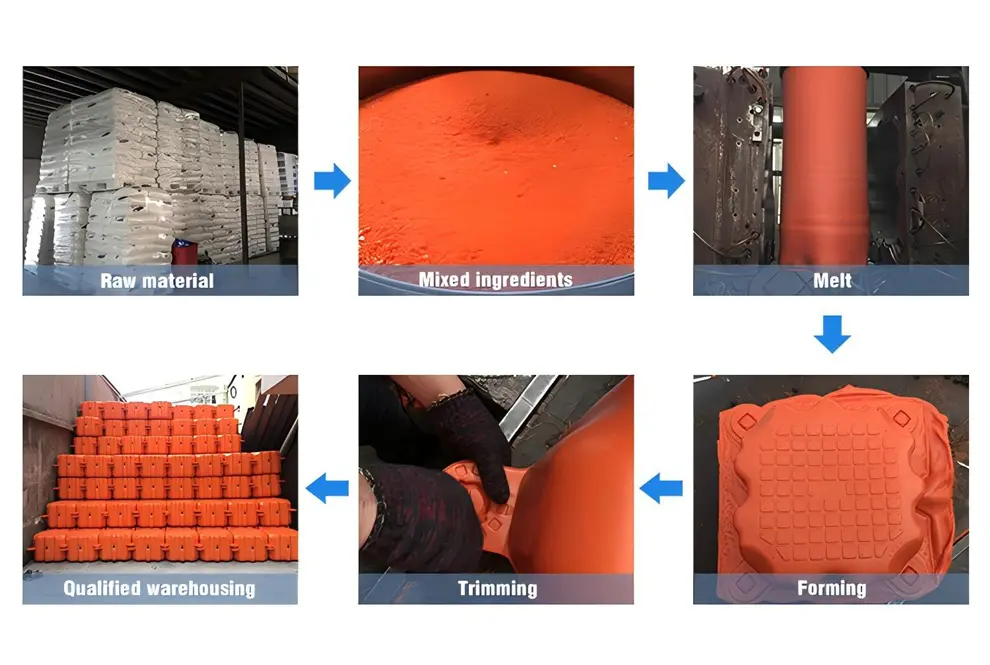
Our manufacturing facility is equipped with state-of-the-art automated blow molding production lines. This allows Shenghuang to efficiently manufacture high-precision, heavy-duty hollow items such as plastic containers, chemical storage vessels, marine floating docks, and custom configurations. The factory operates strictly under the ISO 9001 Quality Management System. Every step, from raw polymer resin compounding and automated parison extrusion to high-pressure blow molding and final structural load verification, is carefully monitored to meet international quality standards.
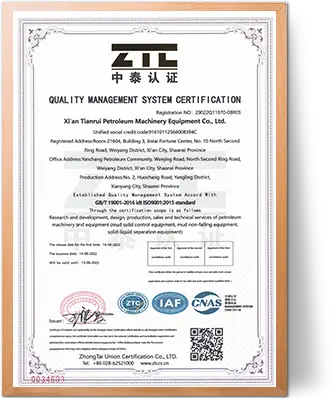
Shenghuang's commitment to compliance, engineering excellence, and safety is validated by global auditing bodies. Below are our official certifications which represent our dedication to quality assurance:


Shenghuang's geographical location in Huangyan, Taizhou provides distinct strategic operational advantages. When global procurement managers assess suppliers, they evaluate not only factory capacity but the completeness of the local industrial cluster. In Taizhou, we benefit from a highly integrated supply chain that optimizes product cost, lead time, and design flexibility.
Our dedicated R&D team continuously develops high-performance materials and advanced molding techniques. By customizing polymer molecular weights, we offer tailored solutions for extreme industrial applications.
Huangyan is globally recognized as the "Mould Town of China." This proximity lets us design, prototype, and manufacture custom extrusion and blow molds in a fraction of the time compared to international competitors.
We prioritize green manufacturing. By integrating non-toxic, recyclable, and food-grade HDPE, our products comply with strict international environmental regulations such as REACH and RoHS.
Furthermore, our streamlined manufacturing lines minimize raw material wastage and optimize cycle times, enabling us to offer cost advantages that we pass directly to our global customers. We offer versatile pre-sale technical consultations, project planning, structural calculations, and after-sales installation guidance.
Quantifying our commitment to scale, precision, and global market execution.
Enterprise procurement of marine infrastructure requires careful balancing of technical specifications, shipping logistics, and compliance checks. When sourcing HDPE floating docks, international buyers look beyond basic shape configurations to analyze key structural performance parameters. Shenghuang's engineering department offers solutions tailored to specific commercial operations:
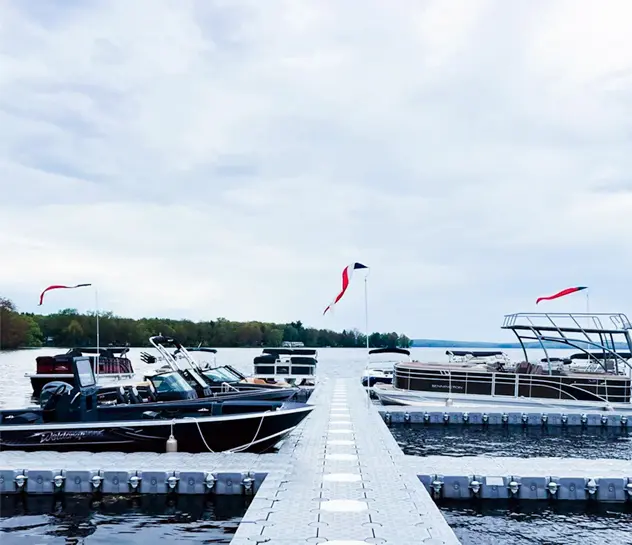
Modern luxury marinas require floating structures that offer stability, aesthetic appeal, and complete paint protection for docked hulls. Our concave-convex shaped floating docks feature slip-resistant surfaces to ensure pedestrian safety under wet conditions. They are also free of metal parts, eliminating rust stains and marine galvanic corrosion.
For dredging, oil exploration, marine salvage, and civil infrastructure construction, work platforms must carry heavy machinery, raw materials, and support crews. Our high-buoyancy modular cubes offer a capacity of up to 350 kg/m², providing a stable platform for demanding environments.
Global aquaculture requires cage infrastructure that can withstand oceanic wave loads while protecting the cultured stock. Our HDPE pontoon systems serve as the structural framework for deep-sea net cages, offering high flexibility and resistance to organic micro-fouling.
Land scarcity has driven the rapid expansion of water-based solar farms. Deploying solar panels on bodies of water requires specialized floating platforms that can withstand long-term UV exposure, constant moisture, and chemical contact. Our specialized HDPE pontoons serve as durable foundations for solar racking assemblies, providing reliable floatation for up to 25 years.
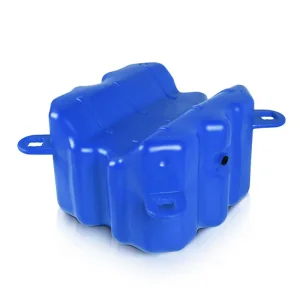
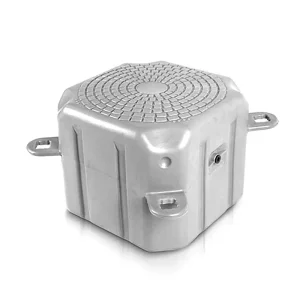
We manufacture several high-demand modular floating configurations for global clients. Below are some of our popular designs:
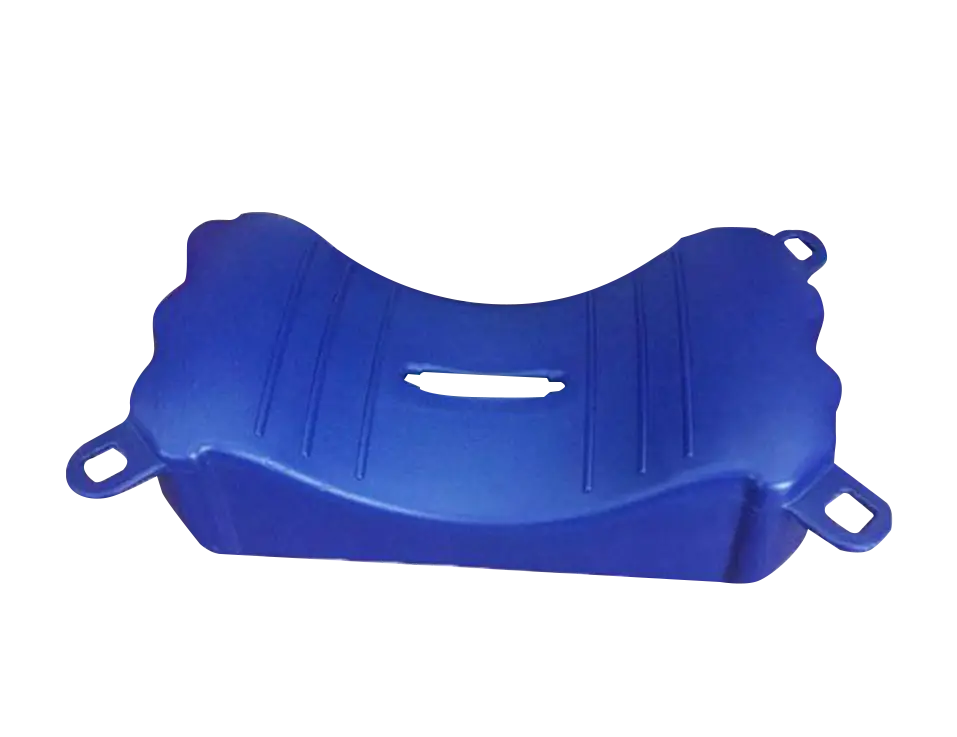
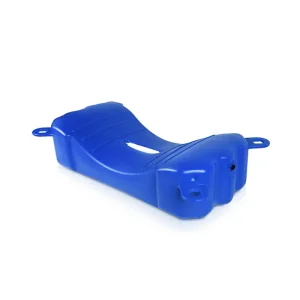
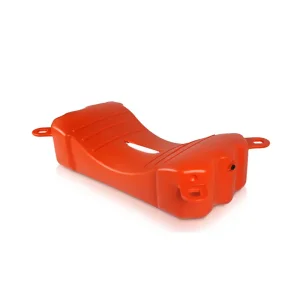
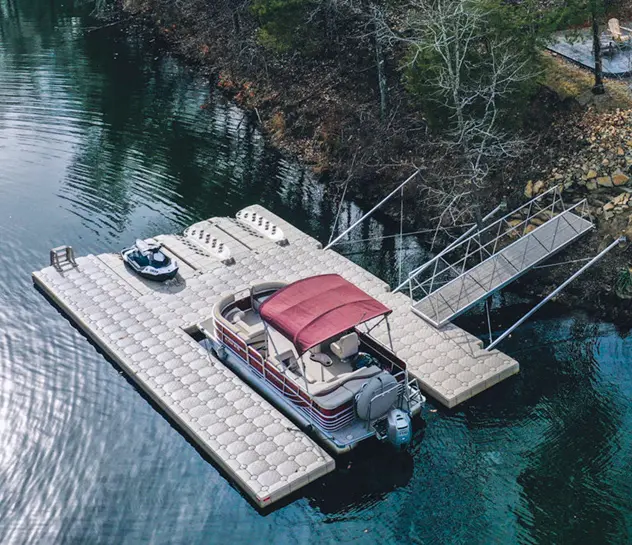
Ideal for Jet Ski & Boat Drive-on
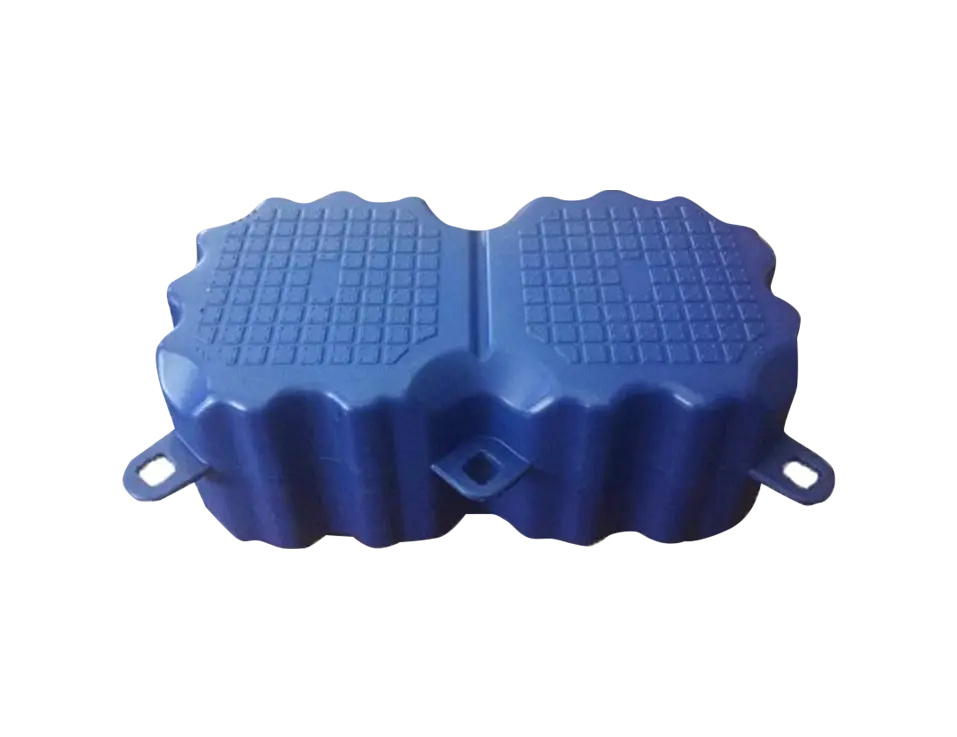
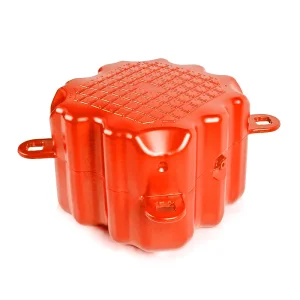
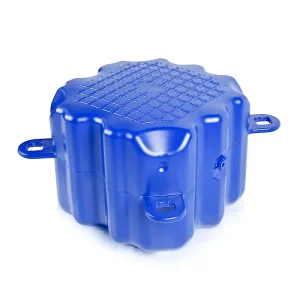
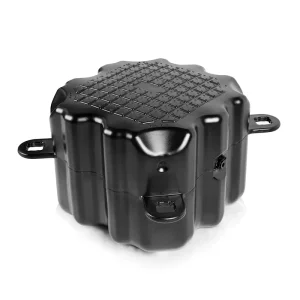
Dual Connected Buoyancy Units
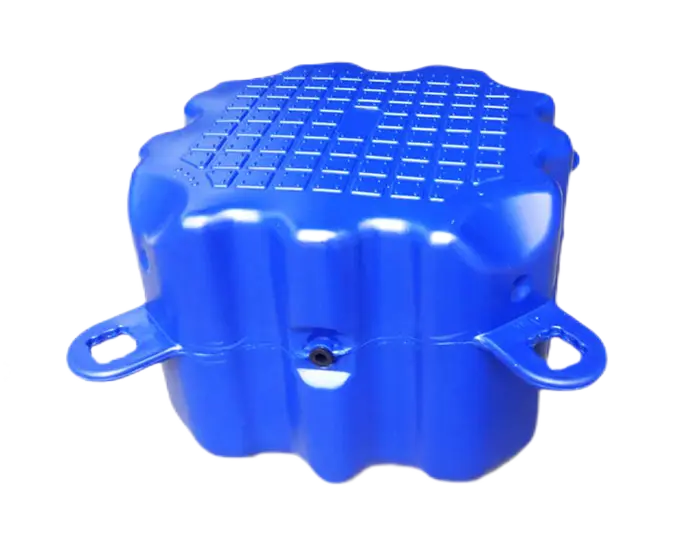
Standard 500x500mm Square Unit
Marine environments vary widely across the globe. From freezing arctic lakes to tropical equatorial lagoons, floating docks must perform consistently under distinct local conditions:
In addition, global environmental initiatives are driving demand for green marine materials. Traditional pressure-treated wood docks can leach toxic chemicals, such as copper chromium arsenic (CCA), into the surrounding water, harming aquatic organisms. Our food-grade, chemically inert HDPE modules offer a clean alternative that complies with strict marine sanctuary regulations worldwide.

Providing clear answers to common questions about modular floating docks.
Our modular design distributes hydrodynamic loads across the entire structure. Under severe wave action, the connections allow the dock to flex and conform to the water's surface rather than resisting it rigidly, which reduces localized mechanical stress. Proper anchoring is key: using heavy-duty guide piles, elastomeric mooring lines, or bottom-anchored steel chains allows the dock to withstand typhoon conditions. Our global clients consistently report excellent results for systems exposed to high-wind events.
Yes, we serve customers globally from our factory. In regions without a local dealer, we ship directly to your nearest commercial freight terminal or port. We provide clear digital documentation, structural layout drawings, and step-by-step video installation guides to help your engineering team assemble and install the system quickly.
Yes. The system is designed to handle cold climates and freezing conditions, including salt water. Because the individual float cubes are tapered, the expanding ice sheet squeezes the dock upward, allowing it to rest on top of the ice rather than being crushed. This prevents structural damage and eliminates the need to remove the dock every winter.
The main factor is water flow and ice movement. If winter ice thaws in place on a calm lake, the dock can remain in the water safely. However, if the dock is located on a fast-flowing river where heavy, moving ice sheets can shear against stationary structures during spring thaw, we recommend removing the modular dock temporarily to prevent impact damage.
For safe walking and general public use, we recommend a minimum width of three cubes (approx. 1.5 meters). This width distributes weight effectively, preventing tipping and ensuring a stable surface. Each standard cube provides approximately 90 kg (200 lbs) of buoyancy, and wider configurations offer greater overall load capacity and stability.
Yes. The dock draws only 5 to 10 cm (2 to 4 inches) of water when empty. During low tide, the system can rest flat on the muddy, sandy, or rocky bottom without damage, provided there are no sharp rocks or debris that could puncture the plastic. The water must also be deep enough at the end of the dock for boats or personal watercraft to back off safely.
Our factory began blow molding production in 2019, making us an established manufacturer in the Taizhou region. Over the years, we have expanded our capacity to become a major supplier of modular HDPE docks, serving municipal projects, commercial marinas, and residential customers worldwide.
Collaborating with international distributors, marine contractors, and industrial developers.










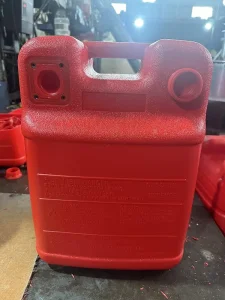
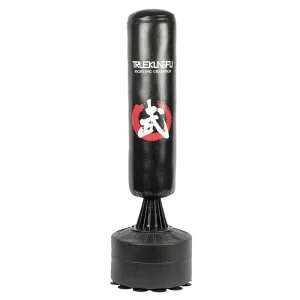
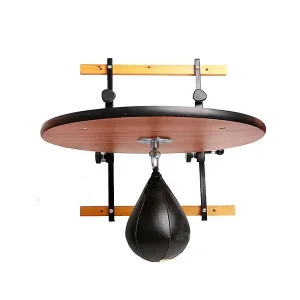
Explore our full line of HDPE floating modules, fuel containers, and customized water training gear.
 ShengHuang