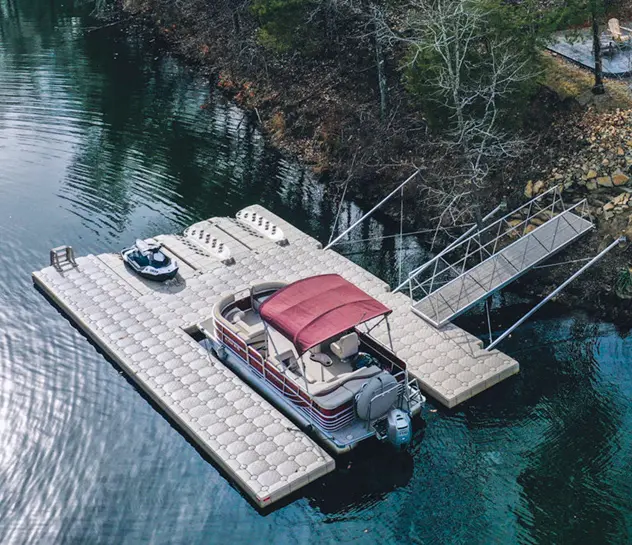
Explore our high-density polyethylene (HDPE) modular pontoons and associated heavy-duty sports training products direct from the factory line.
Pioneering High-Molecular Plastic Engineering Solutions Since 2019
Founded in 2019, Shenghuang Industrial & Trade Blow Molding Factory stands as a premier manufacturer in the high-density polyethylene (HDPE) sector. Strategically headquartered in Huangyan, Taizhou, Zhejiang Province—widely recognized as the heartland of China's injection and blow molding tooling industries—our facility leverages a world-class industrial cluster infrastructure.
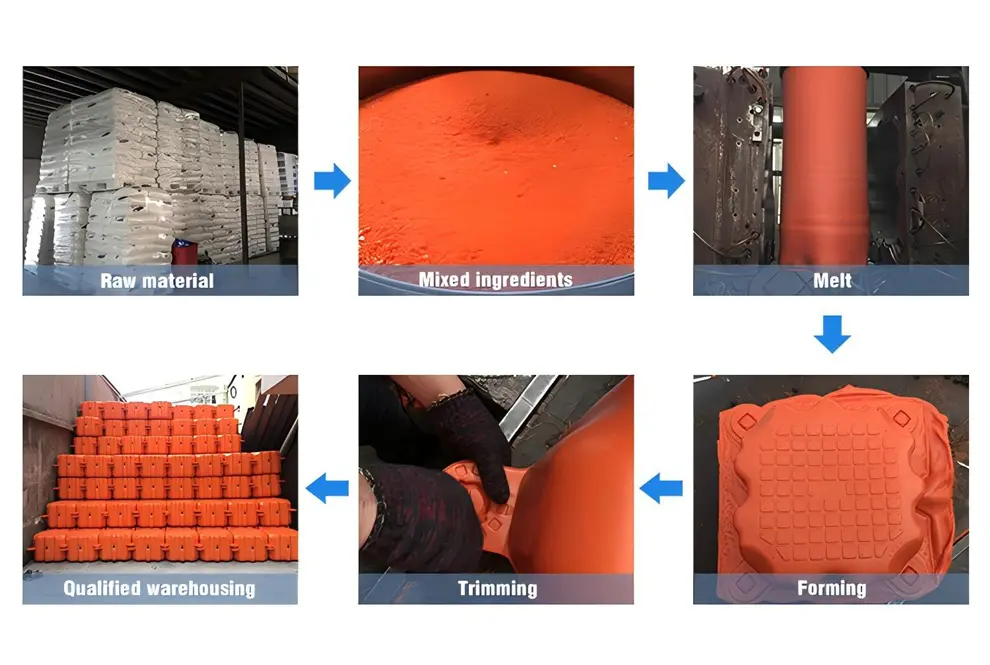
We specialized in advanced engineering polymers, utilizing state-of-the-art blow molding setups to manufacture modular pontoons, containment solutions, and high-durability fitness components. Our facility bridges the gap between raw materials processing and commercial application, ensuring cost-efficient yields with zero compromise on mechanical performance.
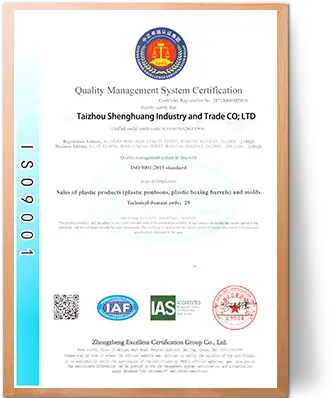
Operating under the stringent criteria of the ISO 9001 Quality Management System, every processing batch undergoes rigorous raw material screening, melt flow index (MFI) verification, and hydrostatic pressure resistance testing to ensure compliance with global maritime standards.
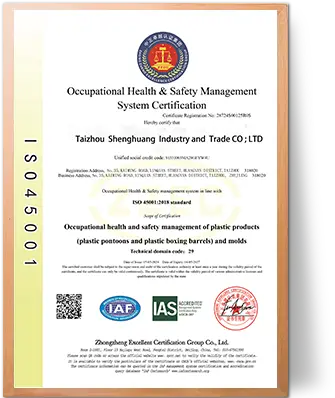
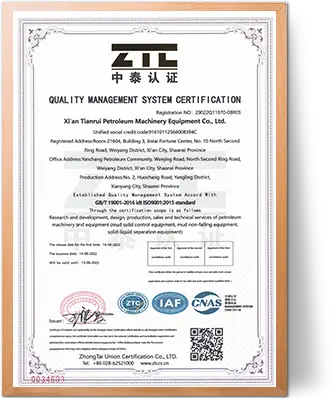
ISO 9001 Quality System Standard Certification
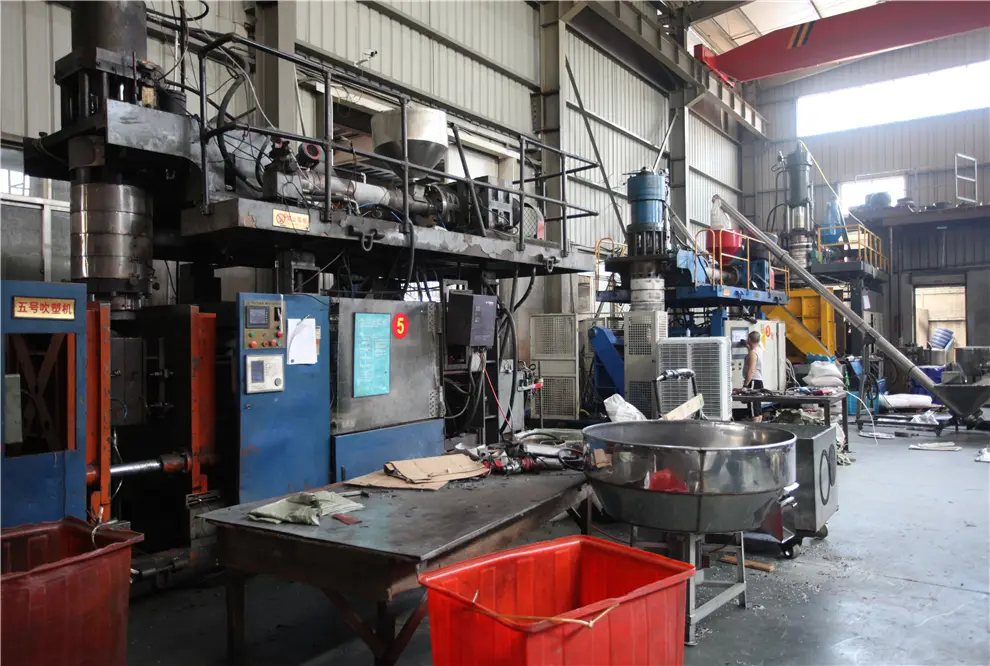
Equipped with state-of-the-art automated blow molding production lines, enabling high-precision wall thickness control (parison programming) for uniform load capacity across all float surface areas.
100% recyclable virgin HDPE material. Highly resistant to saltwater, environmental stress cracking (ESCR), and heavy UV degradation, minimizing ecological footprint.
Dedicated engineering team specializing in structural stability analysis, load-bearing simulations, and marine design validation according to specific client applications.
Average Load Capacity
Operational Lifespan
Quality Standard Certified
Recyclable Virgin HDPE
When engineering marine platforms, floating PV solar farms, or heavy-duty industrial walkways, procuring managers must analyze the total cost of ownership (TCO) rather than just the initial FOB factory price. The pricing structure of China floating pontoons is determined by several core variables: polymer compound index, blow molding precision parameters, and container freight space utilization.
The primary ingredient of modular pontoons is High-Density Polyethylene (HDPE). The choice of compound heavily affects the cost. Virgin HDPE has higher tensile strength, impact resistance, and environmental stress cracking resistance (ESCR) compared to recycled plastic resins. Additionally, because pontoons operate under constant solar radiation, premium manufacturers mix in UV stabilization masterbatches (UV 8 to 15 rating). A cheap pontoon uses recycled resin with minimal UV additives, which reduces upfront cost by 30-40% but degrades under solar radiation within 2-3 years, causing fracturing.
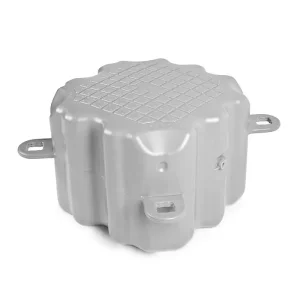
Floating cubes are hollow structures made through high-pressure blow molding. The critical parameter is uniform wall thickness. Cheap pontoons have uneven walls, with thin corners prone to puncturing. Premium factories like Shenghuang utilize advanced parison controllers during extrusion. This ensures a consistent 8mm to 10mm wall thickness, maintaining structural integrity under compression, but increases the raw plastic volume per unit and raises the unit cost.
| Pontoon Type & Design | Standard Dimensions (L×W×H) | Weight Per Unit | Buoyancy Capacity | Estimated Cost Level (FOB China) |
|---|---|---|---|---|
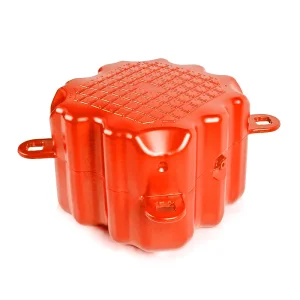
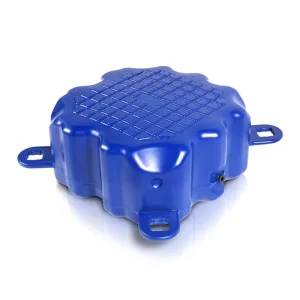
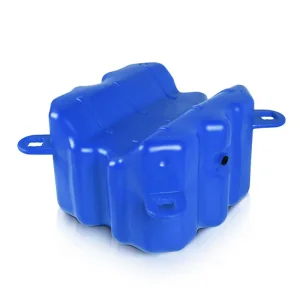
| Single Modular Pontoon (Standard) | 500 × 500 × 400 mm | 7.0 kg ± 0.3kg | 350 kg/㎡ | Moderate / Base Tier |
| Double/Twins Pontoon | 1000 × 500 × 400 mm | 11.5 kg ± 0.5kg | 350 kg/㎡ | Cost-Efficient for Large Runs |
| Low-Profile Modular Dock | 500 × 500 × 250 mm | 5.5 kg ± 0.2kg | 220 kg/㎡ | Low / Specialized Application |
| V-Shaped Floating Jet Ski Dock | 500 × 500 × 340 mm | 6.8 kg ± 0.3kg | Guided Lift Design | Premium / Engineered Groove |
Zhejiang's industrial cluster model delivers a distinct pricing edge. Our Taizhou production base has direct access to petrochemical refiners, localized toolmakers, and custom color masterbatch suppliers. This means mold changes, custom runs, and manufacturing can happen with low lead times. This integrated ecosystem cuts transportation overhead for materials, lowering the final price to global buyers.
Unlike wood, concrete, or steel pontoons, modular HDPE docks need zero painting, sealing, or anti-rust treatment. The materials do not corrode in saltwater or leach toxic chemicals into freshwater ecosystems. Calculating the TCO over 10-15 years reveals HDPE modular floating systems are the most economical option for commercial marine applications.
State-of-the-Art Automated Production Lines
High-Precision Laboratory Material Verification
Rigorous Post-Production Stress Integrity Testing
Engineered to adapt to diverse aquatic environments, from heavy industrial tailings to high-density commercial marinas.
Engineered Configurations Built for Rigorous Loading, Marine Dynamics, and Fast Assembly.
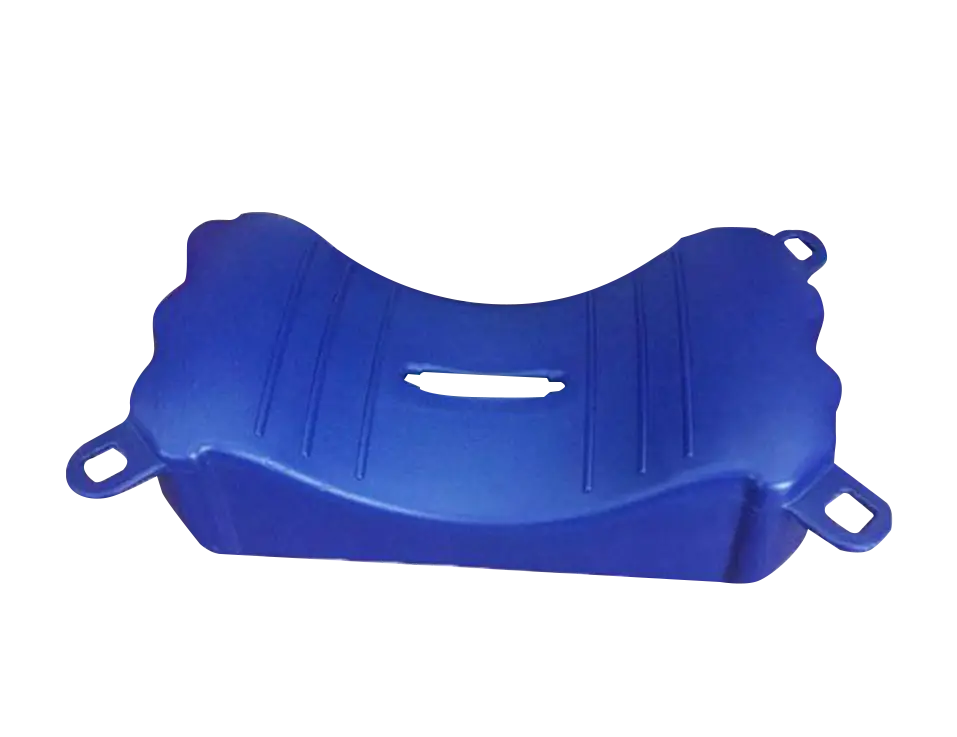
Features a center channel designed for drive-on access, perfect for protecting watercraft and jet ski hulls.
View Engineering Specs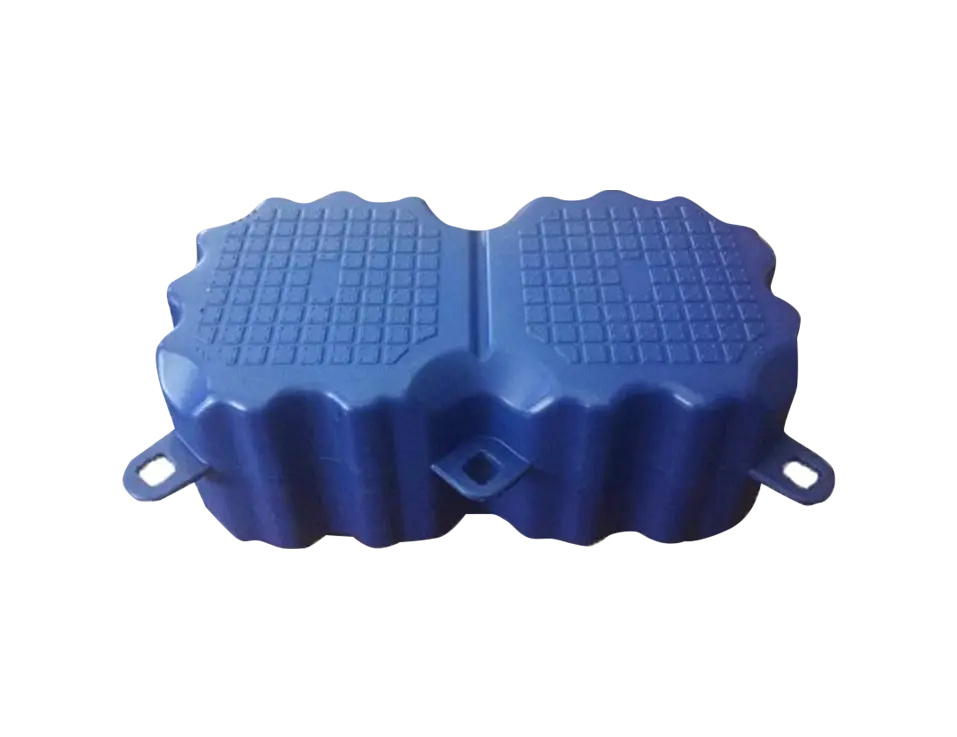
Double-length modular block design that minimizes assembly joints and maximizes deck stability under heavy foot traffic.
View Engineering Specs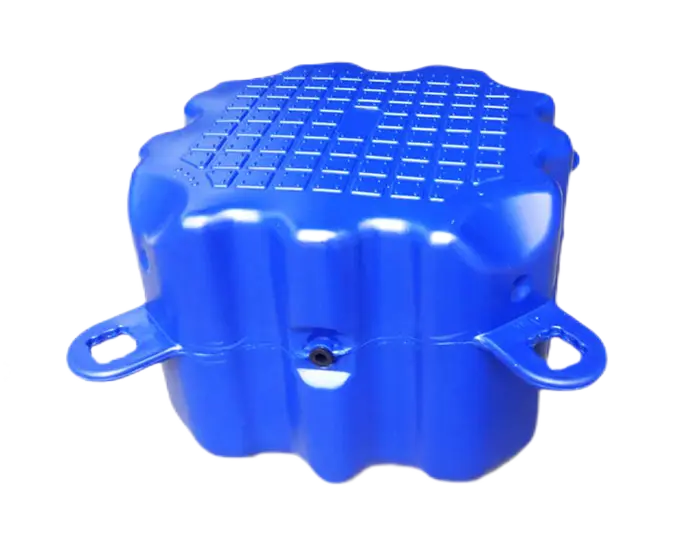
Highly versatile 500x500mm footprint. Enables custom layouts including L, T, and U configurations for complex shorelines.
View Engineering SpecsTechnical answers to common engineering, structural, and procurement questions for modular floating structures.
Thanks to its modular design, the system remains highly flexible. Instead of fighting wave energy like rigid concrete docks, modular HDPE blocks bend with the swells, dispersing shear stresses. We advise securing the platform with standard dynamic anchor systems, such as pile guides, elastic mooring lines, or cross-tensioned anchors, to ensure stability in storm-prone areas.
Yes. If you don't have a local dealer, we ship containerized orders directly from our Taizhou facility to your nearest sea port or freight terminal. Our engineering team provides detailed layout designs, connector mapping, and installation guides to ensure smooth local assembly.
Yes. The dock can remain in the water year-round, including in freezing conditions. The cubes feature a tapered bottom design that allows the structure to slide upward when ice expands, preventing pressure damage. However, we recommend removing the dock if there are moving ice blocks that could shear the anchoring systems.
The main factor to consider is the movement of the ice. If the water remains calm and freezes in place, the dock will sit safely on top. If the location experiences heavy ice runs or moving sheets during spring thaws, these forces can break cables and damage anchoring posts. In those situations, we recommend disassembling the dock and storing it on land for the winter.
We recommend a minimum width of three cubes (1.5 meters) for public walkways or gangways. This width provides a stable walking platform with balanced buoyancy, supporting up to 350kg/㎡. It prevents tipping or listing when multiple users walk along the edges.
Yes. The empty pontoon draws only 5 to 10 cm of water. The system can safely rest directly on mud or sand during low tides. You just need to ensure the water is deep enough at the entry point to prevent watercraft from scraping the bottom during launch or recovery.
Our manufacturing base started operations in Taizhou in 2019, growing into a major supplier of modular HDPE products in China. Our facility leverages Taizhou's extensive tooling and blow molding infrastructure to manufacture durable modular pontoons for clients around the globe.
Our pontoons are built with virgin HDPE and mixed with UV-stabilizing masterbatches, delivering an operational lifespan of 15 years or more. They resist saltwater corrosion, fuel spills, acid rain, and standard chemical exposure without structural degradation.
Delivering high-quality plastic components to marine builders, fitness suppliers, and industrial distributors worldwide.








Before issuing a letter of credit (L/C) or sending a deposit, procurement teams should confirm that the manufacturer performs key quality control steps. At our facility, we conduct several tests on every production run: the Melt Flow Index (MFI) test to check polymer uniformity, the environmental stress cracking test (ASTM D1693) to prevent premature brittleness, and hydrostatic pressure testing to verify loading capacity.
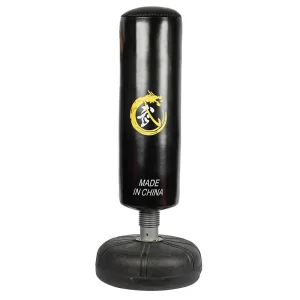
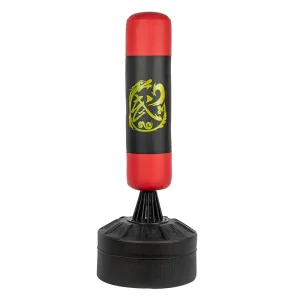
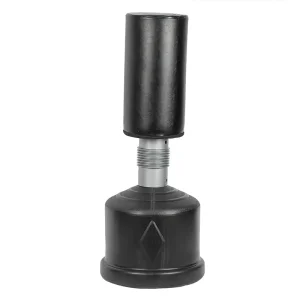
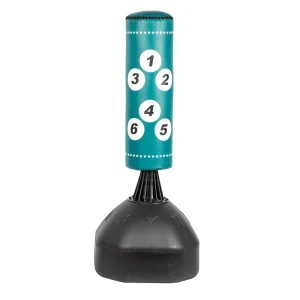
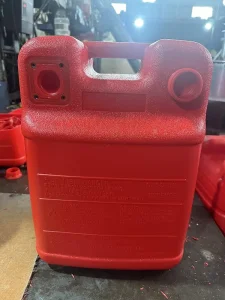
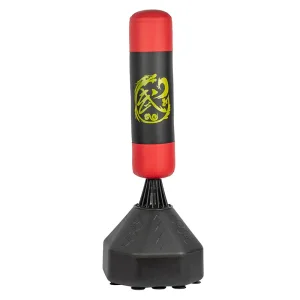
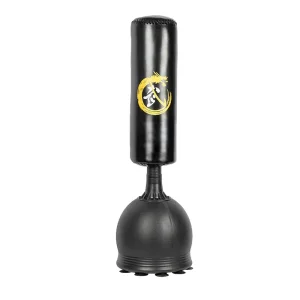
We also inspect our heavy-duty boxing sandbags and marine fuel tanks for impact resistance and wall thickness. This thorough quality control ensures that all products, whether used in marine docks or training centers, deliver reliable performance in the field.
Explore our full range of certified industrial blow-molded items, marine fuel accessories, and heavy sports equipment.
Partner directly with Taizhou's premium blow-molding factory. Our engineering team will help you configure your floating system, select the right material grades, and optimize container shipping layout.
Contact Our Engineering Team ShengHuang