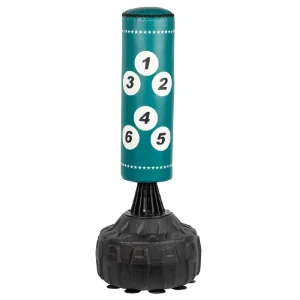
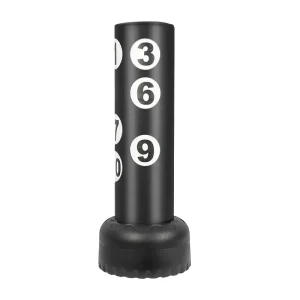
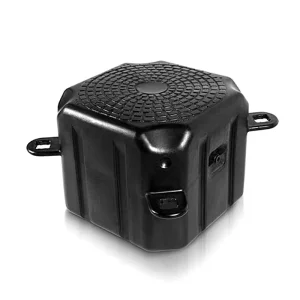
Direct Factory-to-Project Marine Modules, Docks, and Custom Training Platforms Manufactured in China.
Founded in 2019, Shenghuang Industrial & Trade Blow Molding Factory is a recognized leader in the advanced plastic blow molding industry. Headquartered in Huangyan, Taizhou, Zhejiang province—the premier manufacturing cluster for polymer processing in China—the enterprise has rapidly grown into a prominent strategic supplier of heavy-duty, high-performance blow-molded items. Our operational portfolio serves international client groups across municipal marine systems, heavy industrial packaging, automotive structures, durable fitness solutions, and ecological engineering projects.
Operating a fleet of advanced automated extrusion blow molding lines, we synthesize high-molecular-weight polyethylene resins (HMWHDPE) into heavy-duty marine structures, high-density pontoons, fitness bases, and custom blow-molded housings. We execute rigorous parison thickness tracking, wall structure normalization, and hydrostatic testing to comply with ISO 9001:2015 quality standards.
Our commitment to excellence translates into products built for extreme deployments. Every marine pontoon, floating dock block, and custom equipment structure is verified against environmental degradation, material fatigue, and structural load metrics. By selecting only high-grade additives, including advanced carbon black, UV inhibitors (UV8 level), and antioxidant packages, our products maintain structural integrity under continuous exposure to UV radiation and saline-alkali environments.
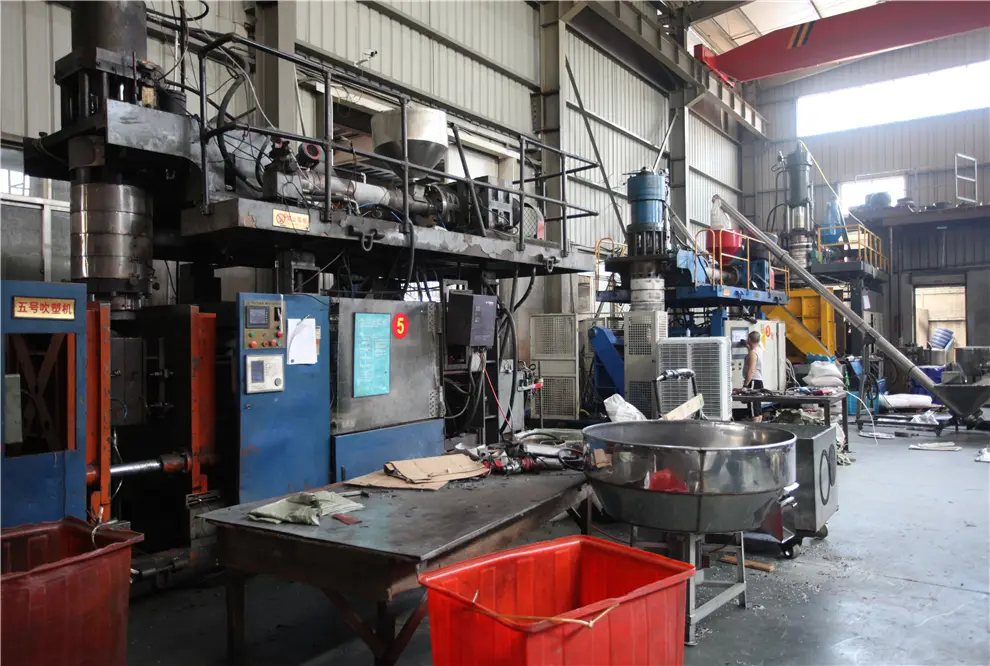
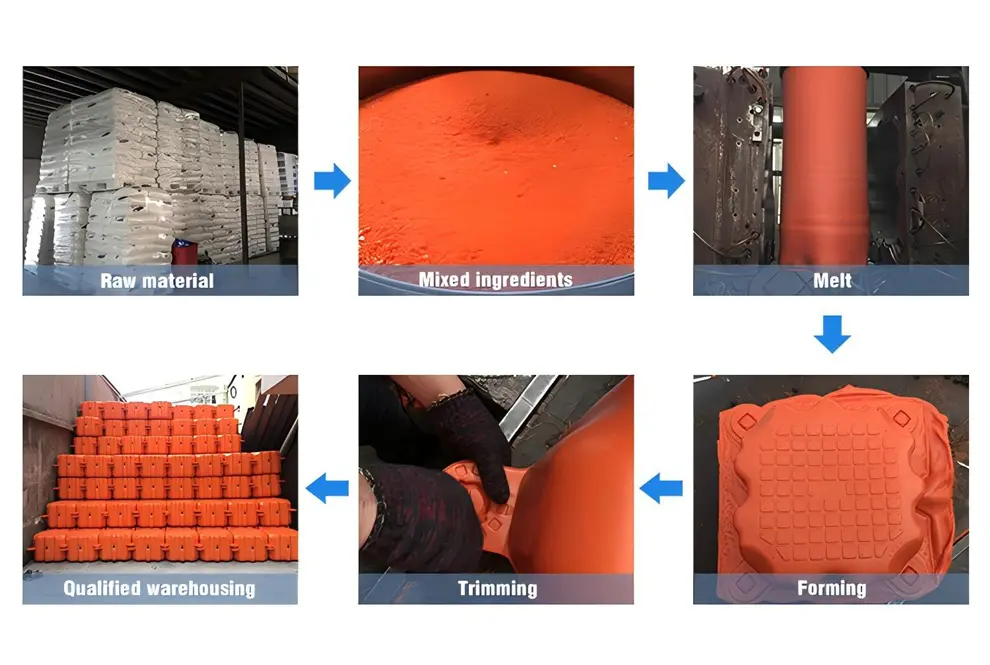
All manufacturing processes undergo continuous quality audits to guarantee field performance.


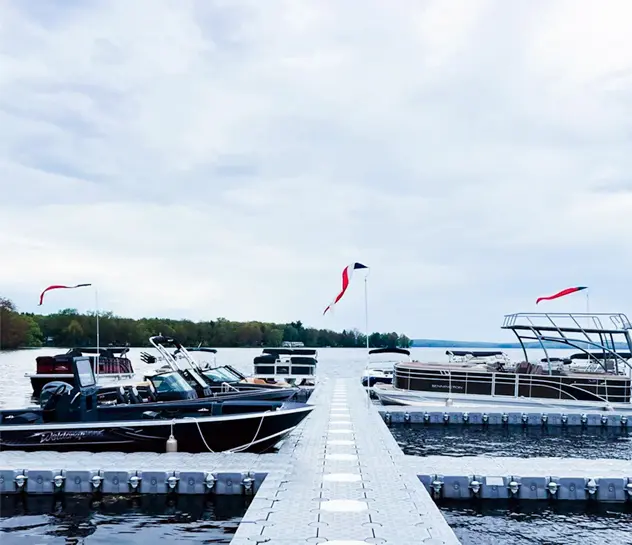
Industrial waterfront projects require modular structures designed to withstand hydraulic stress, chemical exposure, and mechanical impact. Modern global trade and coastal tourism depend on resilient water-to-land transit systems. Custom-configured floating jetty systems act as structural interfaces for commercial transport, leisure boating, industrial utilities, and aquaculture operations.
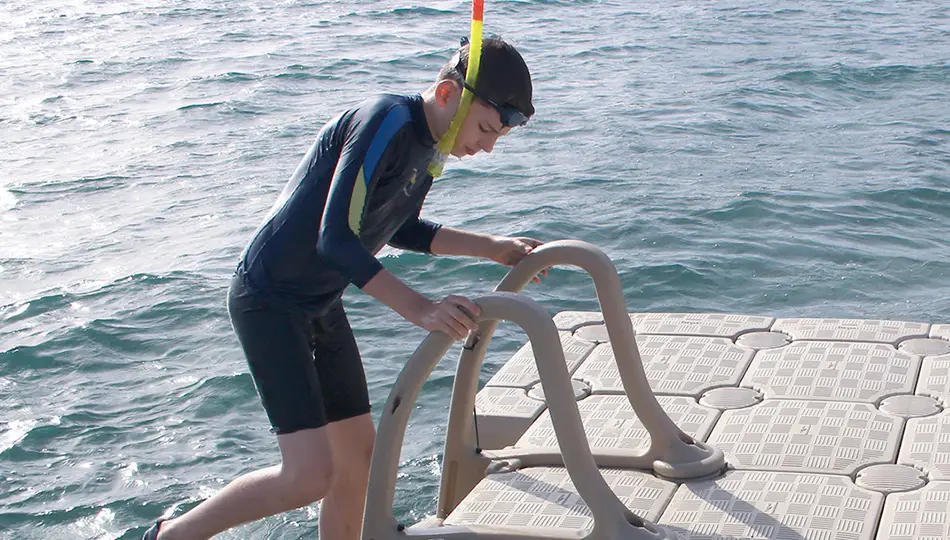
Traditional fixed concrete docks require extensive piling, which disrupts marine ecosystems and can fail during high tides. High-density polyethylene (HDPE) modular floating systems offer dynamic adaptability. They rise and fall in sync with tidal changes, protecting boats from structural friction and securing gangway angles. Their textured surface reduces slip hazards, and their modular design supports quick maintenance and expansion.
Floating Photovoltaic (FPV) solar setups are growing rapidly to optimize water reservoir spaces. The supporting pontoon grids must hold heavy solar frames, secure cables, and resist moisture and UV degradation for over 25 years. Shenghuang's blow-molded HDPE modules are engineered for these demands. They feature optimized load distribution, high puncture resistance, and chemical stability, helping to prevent environmental contamination.
From deep-water aquaculture cages to industrial discharge monitoring platforms, operations require stable floating walkways to support workers and equipment. Our concave-convex modular grids offer excellent buoyancy (up to 350 kg/m²), stability in open water, and resistance to acids, bases, and hydrocarbons.
We source only high-density, high-molecular-weight polyethylene (HMWHDPE) characterized by its excellent Environmental Stress Crack Resistance (ESCR), tensile strength, and impact absorption. The material is formulated with advanced stabilizers that resist long-term UV degradation, keeping the structural plastic durable even in harsh environments.
As maritime regulations enforce stricter environmental policies, modular marine infrastructure must adapt. Shenghuang is investing in R&D to drive developments across three key areas:
We deliver reliable blow-molded industrial solutions to commercial, municipal, and fitness brands worldwide.










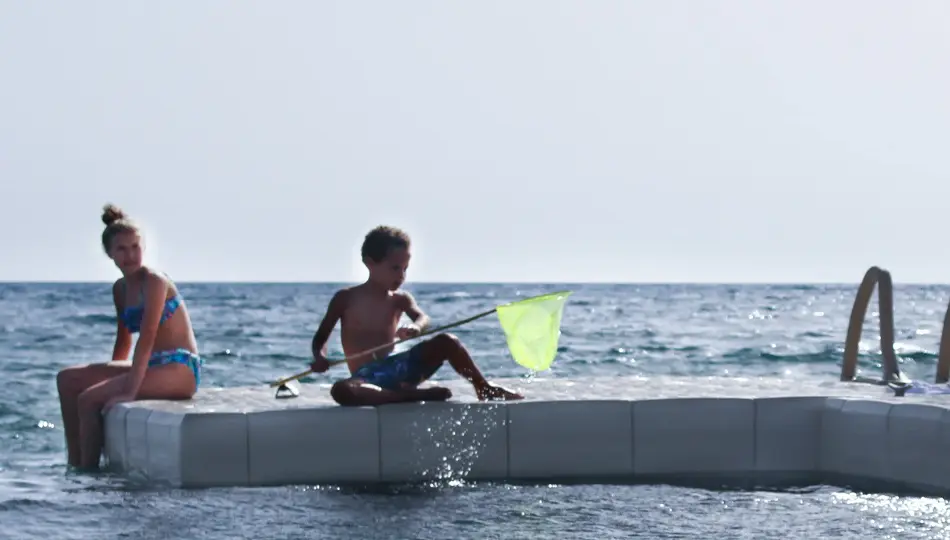
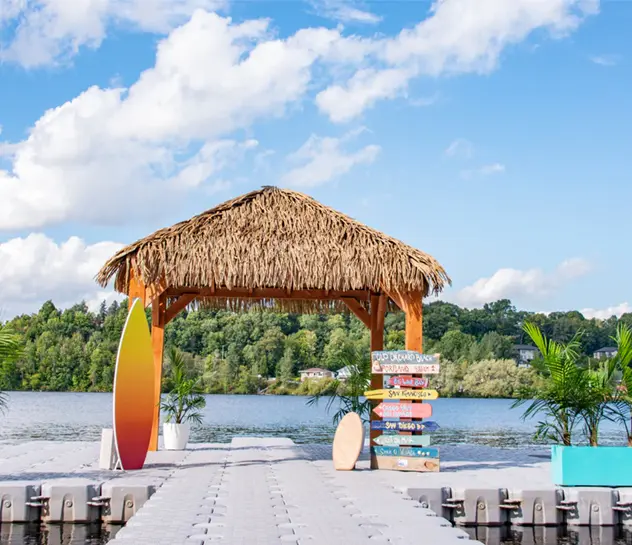
Our structures perform across diverse environments, from inland lakes and municipal rivers to harsh oceanic projects.
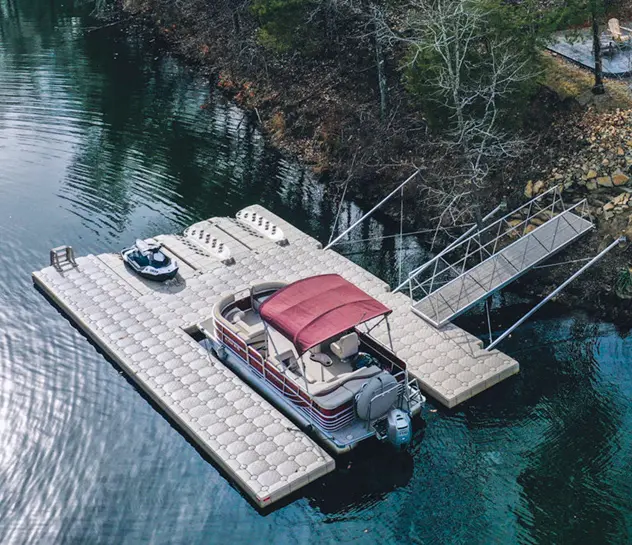
We provide full-lifecycle technical support to ensure your marine and industrial projects succeed on time and on budget.
We employ a dedicated sales, engineering, and support team to ensure responsive service throughout the project cycle.
Our adaptable R&D processes allow us to meet specific mechanical load, buoyancy, and dimension requirements.
We use automated blow molding lines and follow eco-friendly principles to reduce resource footprint.
Our technical team provides direct support for installation, anchoring design, and global logistics coordination.
Explore our complete catalog of blow-molded industrial solutions, specialized bases, and anchoring modules.
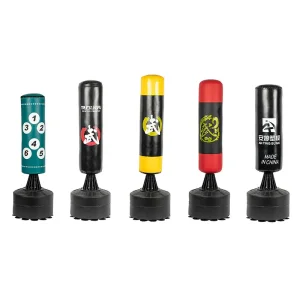
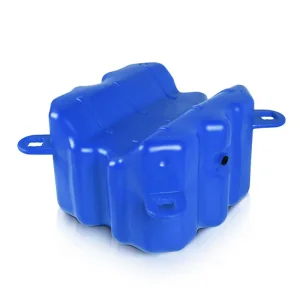
Explore hot-selling items from our manufacturing floor, showcasing high structural strength and precise dimensions.
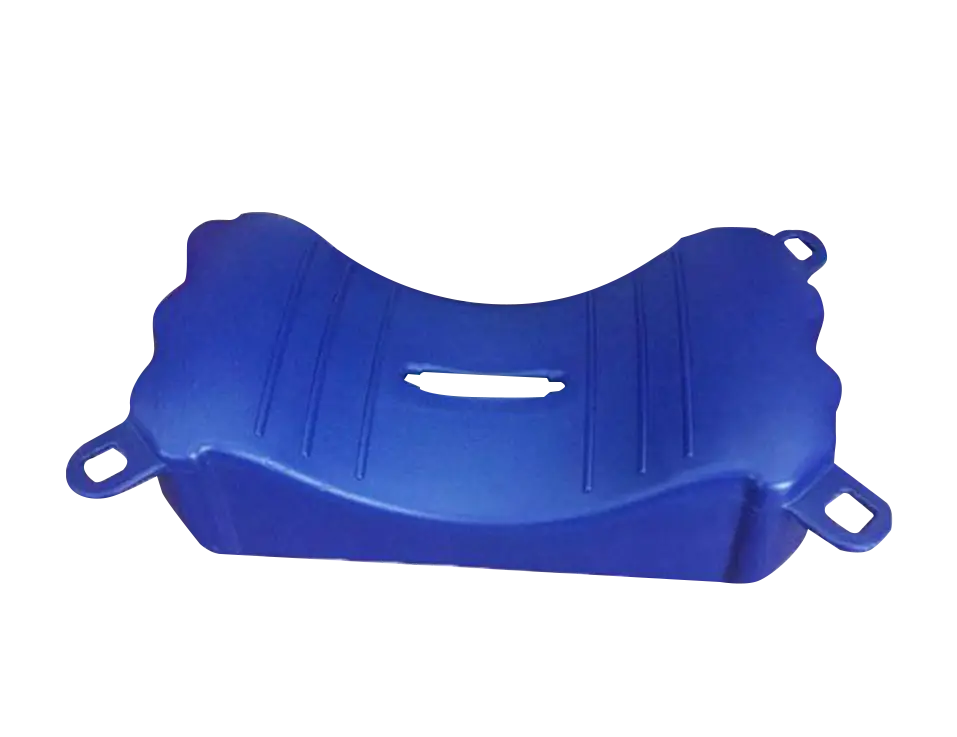
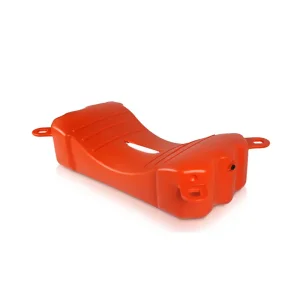
Specially designed for personal watercraft and jet skis.
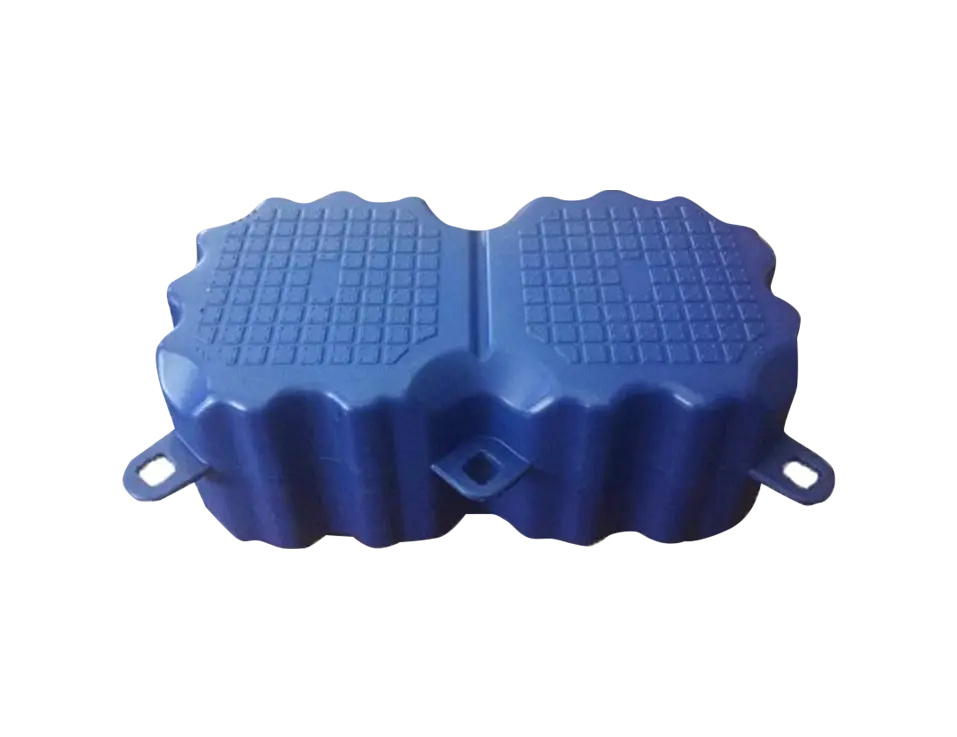
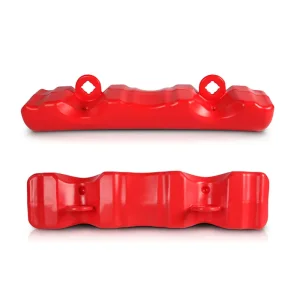
Dual-interlinked structure for high-stability walkways.
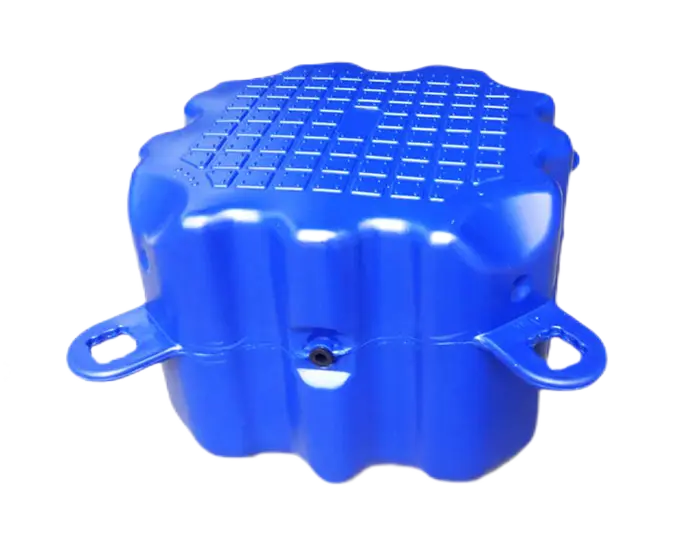
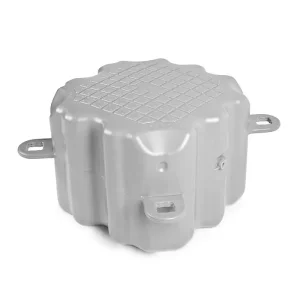
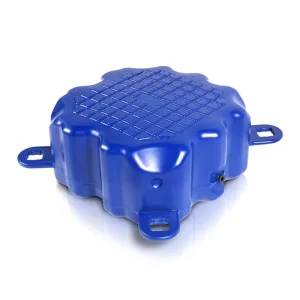
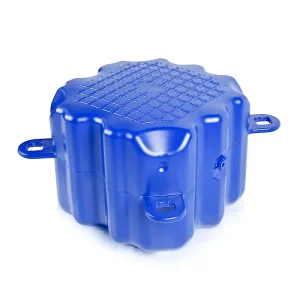
Standard modular cube block with interlocking pins.
Get answers to common technical, installation, and performance questions regarding modular HDPE floating systems.
The modular design of our HDPE floating systems allows the dock to flex with wave movements rather than resisting them rigidly. This flexibility, paired with durable interlocking pins and robust mooring (such as elastic ropes, chain anchors, or pile guides), helps the dock withstand typhoon conditions. Many installations have remained secure during significant storms.
Yes, we regularly ship products directly to customers worldwide. If there is no local distributor in your area, we can arrange shipment to your nearest freight terminal for convenient pickup or arrange direct delivery for larger commercial orders.
Yes, the dock can remain in the water year-round, including in saltwater and freezing conditions. The dock's bevel-edged design allows the cubes to slide upward when ice expands, protecting them from pressure damage. However, this is only recommended in waters with minimal ice movement.
Stationary ice that melts in place does not harm the system. However, moving ice sheets or heavy currents can damage the structure and anchors. In areas with significant moving ice during spring thaws, we recommend dismantling and storing the dock for the season.
For safety and stability, walking platforms should be at least three cubes wide (approx. 1.5 meters). Individual cubes provide balanced buoyancy (approx. 90 kg or 200 lbs per cube), creating a stable surface when connected.
Yes, the system draws only 2 to 4 inches (5 to 10 cm) of water when unloaded. The dock can rest safely on the seabed or riverbed during low tide, provided there are no sharp rocks or debris that could puncture the polymer shell.
Our factory began manufacturing floating docks in Taizhou, Zhejiang, in 2019. Since then, we have grown into a reliable exporter of high-density polyethylene marine structures, supplying modular systems globally.
 ShengHuang