As the demand for versatile waterfront solutions grows, the significance of Plastic Floating Dock Kits within the marine industry cannot be overlooked. Industry expert Dr. Emily Carter, a leading figure in marine construction, emphasizes, "Plastic floating docks offer durability and flexibility that traditional materials cannot match." This quote underlines the evolving nature of docking solutions and their increasing popularity among global buyers.
Plastic Floating Dock Kits provide various applications, from residential lakefronts to commercial marinas. These docks are lightweight and easy to install, making them a preferred choice for many. However, not all products meet quality standards, leading consumers to tread carefully. Understanding the materials used and their environmental impact is essential for informed decisions.
While these kits showcase innovation, the industry faces challenges. Not every option is designed for extreme weather conditions. Buyers may find some products lacking in terms of sturdiness or longevity. Balancing affordability with quality remains a crucial consideration. Potential buyers should conduct thorough research and consult experts to ensure they select the right Plastic Floating Dock Kits for their specific needs.
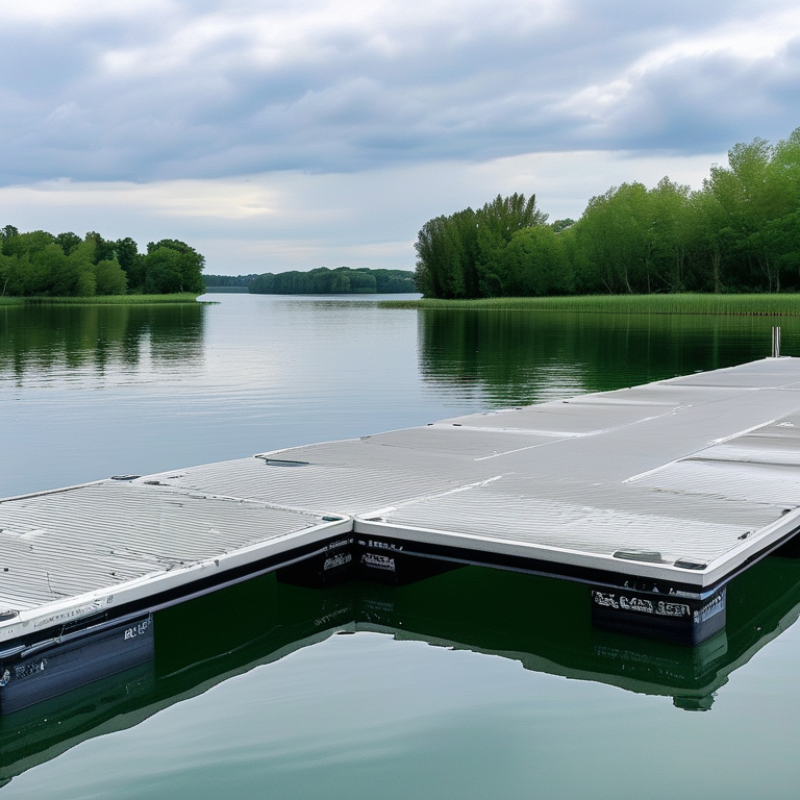
In 2026, the market for plastic floating dock kits continues to evolve. Innovations have made them more durable and versatile. These docks provide stability and safety for various aquatic activities. They are suitable for residential use, marinas, and even commercial applications. Increasing demand is driven by the rise in water sports and recreational boating.
Sustainability trends also play a significant role in shaping the market. Many manufacturers focus on eco-friendly materials and production processes. This shift aligns with global efforts to reduce plastic waste. However, there are challenges. Some consumers remain skeptical about the longevity of these products. They question whether they can withstand harsh environmental conditions.
Market research indicates growth in online sales channels. Buyers are seeking convenience and better choices. They prefer platforms that offer detailed comparisons and user reviews. Nonetheless, potential buyers should thoroughly research kits to find the best fit for their needs. Understanding product specifications is crucial. This involvement can help buyers make informed choices while navigating various options in the market.
In 2026, the demand for plastic floating docks continues to rise, driven by environmental concerns and increased recreational activities. Recent industry reports indicate a projected annual growth rate of 7.5% in this sector. Factors such as ease of installation and minimal maintenance requirements enhance their appeal for both commercial and residential users.
Leading manufacturers in the market are focusing on innovative designs and materials. Many have adopted sustainable practices, utilizing recycled plastics. However, quality assurance remains a significant challenge. Variability in product durability can affect consumer trust. Industry analyses show that about 30% of users encountered issues with floating dock stability. This inconsistency highlights the need for rigorous testing and quality control measures.
Additionally, a comparative analysis reveals discrepancies in customer satisfaction among top brands. Some companies have received commendations for customer service and product longevity. Nevertheless, there are reports of delays in supply chains, complicating the purchasing process. Buyers must navigate these factors when selecting a suitable dock kit. It's clear that while the market is evolving, there are opportunities for improvement in both product quality and service reliability.
When selecting plastic floating dock kits for international markets, several key features stand out. Durability and resistance to weather conditions are critical. High-quality materials can ensure long-lasting use in various climates. Many kits offer modular designs, allowing for easy assembly and customization to fit specific needs. This flexibility is vital for adapting to different aquatic environments.
Another significant specification is weight capacity. Ensuring the dock can support both people and equipment safely is essential. Many buyers may overlook this aspect, leading to potential safety hazards. Additionally, considerations like buoyancy and stability play crucial roles in determining performance. Simple designs can sometimes be overlooked, but they often provide reliability and ease of maintenance.
Environmental impact is also worth noting. Eco-friendly materials are becoming more important to many consumers. However, not all manufacturers prioritize sustainability. It’s essential to research and choose options that align with environmental standards. Overall, while selecting docks, both functionality and environmental responsibility should be taken into account.
As the demand for floating dock kits rises, environmental concerns grow alongside it. The production of plastic dock kits significantly impacts our ecosystems. Manufacturing processes may release harmful pollutants. These chemicals can affect both aquatic life and human health. Addressing these challenges is essential for sustainable development.
Sourcing materials responsibly is crucial. Recycled plastics can reduce waste and lower carbon footprints. However, the quality of recycled plastic must meet safety standards. Companies should invest in research to improve material performance. There are also questions about the lifespan of these docks. Do they degrade over time, contributing to microplastics in our waters?
While innovation in eco-friendly technologies is promising, not all solutions are perfect. Some recycling processes still consume significant energy. Consumer awareness plays a key role in shaping production practices. Ultimately, buyers must seek out manufacturers who prioritize sustainability. A collective effort is needed to minimize environmental impacts while meeting the growing demand for floating dock kits.
In 2026, the preferences of global buyers for floating dock kits reflect a shift towards sustainability and functionality. According to industry reports, 68% of consumers prioritize eco-friendly materials. Recycled plastics and sustainable practices are becoming essential features. Buyers seek products designed to withstand extreme weather conditions, ensuring longevity and minimal maintenance. Recent surveys reveal that 72% of buyers are willing to pay more for durable, eco-conscious options.
Aesthetic appeal remains important, with 54% of consumers indicating that design influences their purchase decisions. Key aspects include texture, color options, and finish quality. Moreover, ease of installation is crucial. Many buyers report frustration with complicated assembly processes. Research shows that user-friendly kits improve overall satisfaction rates.
While buyers have strong preferences, many still struggle with product information. Confusing specifications can lead to hesitation in purchases. Experts suggest clear labeling and comprehensive guides could enhance buyer confidence. Addressing these challenges is vital for manufacturers aiming to meet evolving consumer demands in the floating dock market.
: Durability and weather resistance are crucial. Modular designs allow for easy assembly and customization.
It ensures safety by supporting both people and equipment. Overlooking this can lead to hazards.
Simple designs enhance reliability and ease of maintenance. They should not be overlooked for more complex options.
Manufacturing can release pollutants that harm ecosystems. Sustainable practices are vital for reducing these effects.
Many buyers prioritize sustainability and the reduction of carbon footprints. Researching eco-friendly options is essential.
Texture, color options, and finish quality are significant. Aesthetic appeal plays a key role in purchasing choices.
Complicated assembly frustrates buyers. User-friendly kits tend to improve overall satisfaction and retention.
Confusing specifications often lead to hesitation. Clear labeling and guides could help build buyer confidence.
While they reduce waste, the quality must meet safety standards. Poor quality can lead to long-term issues.
Not all solutions eliminate energy use. Some recycling processes still consume significant resources. Further innovation is needed.
The article "2026 Top Plastic Floating Dock Kits For Global Buyers" explores the evolving landscape of the plastic floating dock kits market. It highlights the emerging trends that international buyers should consider in 2026, including advancements in design and materials that enhance durability and usability. A comparative analysis of leading manufacturers sheds light on the competitive landscape, while the key features and specifications of top kits are outlined to meet global standards.
Additionally, the article addresses the environmental impact and sustainability practices involved in the production of plastic floating dock kits, reflecting a growing consumer demand for eco-friendly options. Lastly, an examination of consumer preferences reveals what global buyers are seeking in these products, emphasizing the balance between functionality, sustainability, and innovative design in the 2026 market.

ShengHuang