As we approach 2026, the demand for HDPE Floating Modules is surging. Industry reports indicate that the global market for floating structures will exceed $1 billion by 2025, driven by their versatility in various applications. Leading expert Dr. Emily Chen emphasizes, “HDPE Floating Modules are reshaping how we utilize our waterways.” This reflects the industry's growing recognition of their sustainable benefits.
HDPE Floating Modules are increasingly used in various sectors, including aquaculture and recreational facilities. The lightweight yet durable nature of HDPE allows for easy installation and maintenance. However, challenges around environmental impact and long-term durability need examination. Some manufacturers may overstate product longevity, which could mislead potential buyers.
In this guide, global buyers will find crucial insights. Understanding the available options is essential. Additionally, industry statistics will clarify market trends and innovations. As the sector evolves, staying updated on HDPE Floating Modules will ensure informed purchasing decisions.
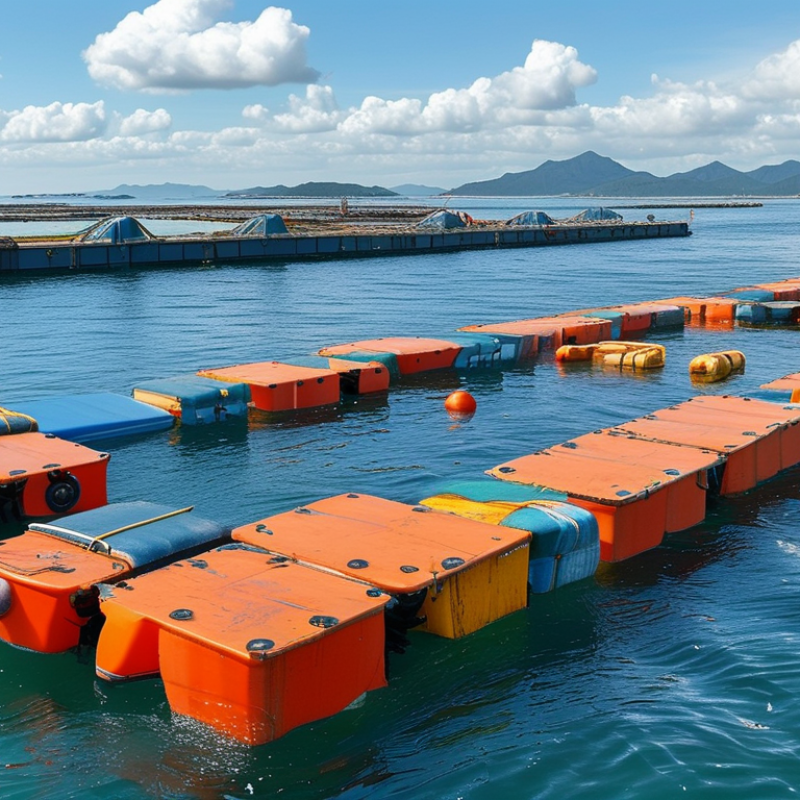
Key Features of HDPE Floating Modules for Global Market
In the global market, HDPE floating modules present unique features that appeal to various industries. Their lightweight design and durability make them ideal for marine applications. HDPE, or high-density polyethylene, is known for its resistance to corrosion and impact. These features expand the usability in projects ranging from docks to aquaculture systems. Data indicates a growth rate of over 7% per year in the market for these floating solutions, reflecting their increasing adoption.
Quality is paramount when selecting HDPE floating modules. The material exhibits a high buoyancy level, ensuring stability in water. Reports suggest that modules with UV stabilizers have a longer lifespan. This quality is crucial for outdoor installations where exposure to sunlight is constant. Environmental conditions can challenge these modules; thus, understanding their performance in different climates is essential.
I'm intrigued by the challenges some users face with installation. The assembly process can be complex and time-consuming. Proper anchoring is critical. Inadequate installation may result in drifting or instability. As buyers evaluate their options, understanding both the benefits and potential drawbacks of HDPE modules becomes essential for effective decision-making.
Top HDPE Floating Modules for 2026 Global Buyers Guide
| Module Type |
Size (m) |
Weight Capacity (kg) |
Applications |
UV Resistance |
Key Features |
| Standard Module |
1.0 x 1.0 |
200 |
Swimming Pools, Docks |
High |
Modular Design, Easy Installation |
| Heavy-Duty Module |
1.5 x 1.5 |
300 |
Marinas, Water Sports |
Very High |
Enhanced Stability, Reinforced Structure |
| Eco-Friendly Module |
1.2 x 1.2 |
250 |
Aquaculture, Environmental Projects |
High |
Recycled Materials, Low Impact |
| Lightweight Module |
0.8 x 0.8 |
150 |
Personal Use, Small Docks |
Moderate |
Portable, Cost-Effective |
Types of HDPE Floating Modules Available for Diverse Applications
HDPE floating modules are versatile products used in various aquatic applications. They provide buoyancy and stability for boat docks, swimming platforms, and aquaculture projects. The types of modules available can vary significantly in design and performance. Some are tailored for heavy-duty marine environments, while others focus on leisure and recreational use.
One common type is modular dock systems, which are easy to assemble and disassemble. These modules often feature interlocking designs that enhance stability in rough waters. Other variants include floating breakwaters, which help protect shorelines from waves. They can be made with different thicknesses and colors, contributing to aesthetic appeal and functionality.
When selecting HDPE floating modules, consider your specific needs. Factors like water depth, local weather conditions, and intended use all play a role. It’s essential to assess the durability of materials, as some modules may degrade faster than others. This variability can impact long-term investments. Engaging with suppliers can provide insights, but ultimately, the choice should align with your project requirements and environmental factors.
Leading Manufacturers and Suppliers in the HDPE Floating Module Industry
The HDPE (High-Density Polyethylene) floating module industry is rapidly evolving, with numerous leading manufacturers making significant strides. Reports suggest that the market is projected to grow at a CAGR of 5.5% by 2026. This growth is fueled by increasing demand for sustainable and innovative marine infrastructure solutions. Many suppliers are focusing on environmentally friendly materials and production techniques to cater to this shift.
Among the notable attributes of HDPE floating modules is their durability and resistance to weathering. These modules can withstand harsh marine conditions, making them ideal for various applications. Data indicates that their lifespan can exceed 25 years under proper conditions. However, the industry faces challenges regarding environmental impact and recycling capabilities. It is essential for manufacturers to address these concerns as consumers increasingly prioritize sustainability in their purchasing decisions.
Manufacturers and suppliers must also adapt to technological advancements. Emerging technologies in production and design are reshaping the industry landscape. Continuous innovation is crucial, and firms must be responsive to market demands. Engaging with stakeholders and conducting regular market analyses can provide insights that drive progress in the sector. Balancing innovation with environmental responsibility poses a challenge that requires deliberate strategies from the leading players in the HDPE floating module market.
Sustainability and Environmental Impact of HDPE Floating Modules
HDPE floating modules are gaining recognition for their sustainability benefits. Made from high-density polyethylene, these modules are durable and resistant to harsh environmental conditions. According to a recent industry report, the global market for HDPE products is projected to grow by 4.1% annually through 2026. This growth reflects increased awareness of the environmental impact of materials used in water-based applications.
Production of HDPE floating modules typically involves a process that minimizes carbon emissions. These modules are designed for long-term use, reducing the frequency of replacements. However, not all manufacturers prioritize eco-friendly practices. Buyers should scrutinize provider certifications to ensure compliance with environmental standards. Some HDPE materials can be recycled, contributing to a circular economy, yet the recycling rate requires improvements.
Make informed choices. Evaluate the lifecycle impact of the products. Look for modules designed with sustainability in mind. Understand the supply chain; it’s essential to ensure the materials come from responsible sources. The environmental footprint matters; even small improvements in material sourcing can lead to significant positive outcomes. Ensure transparency in production methods to enhance reliability and trust in your supply chain partners.
Future Trends and Innovations in HDPE Floating Module Technology
The HDPE floating module industry is evolving rapidly. In 2026, innovations will redefine how these modules are utilized in marine applications. They are becoming lighter, yet stronger. This is due to advances in material technology. New formulations are being tested to enhance buoyancy and durability. The potential to use recycled HDPE is also emerging. This sustainable approach can significantly lower manufacturing impacts on the environment.
Flexibility in design is another key trend. Manufacturers are creating modular systems that allow for easier assembly and disassembly. Users appreciate the adaptability of these systems for different water conditions. Enhanced safety features are also crucial. Improved anchoring systems will prevent drift in rough weather, a common concern for users. Testing protocols are essential to ensure reliability. Continuous improvement based on feedback is necessary to address issues that arise in practical applications.
Community feedback will shape designs and processes. There is always room for improvement and learning. User engagement can highlight specific needs that current models do not meet. In this rapidly changing field, relying on expert insights can prevent stagnation. Industry veterans will play a pivotal role in guiding manufacturers toward innovation and sustainability. This collaboration will be vital to the success of HDPE floating modules in the future.
FAQS
: They provide buoyancy and stability for boat docks, swimming platforms, and aquaculture projects.
They differ in design and performance, catering to heavy-duty marine or leisure use.
Modular dock systems are popular for their easy assembly and stability in rough waters.
Yes, they come in different thicknesses and colors for added appeal and functionality.
Factors include water depth, local weather, and intended use for the modules.
Their lifespan can exceed 25 years under proper conditions.
Concerns include environmental impact and recycling capabilities.
It is projected to grow at a CAGR of 5.5% by 2026 due to increasing demand.
Consumers prioritize environmentally friendly materials and production techniques.
Staying responsive to technological advancements and market demands is crucial.
Conclusion
The article "Top HDPE Floating Modules for 2026 Global Buyers Guide" provides a comprehensive overview of HDPE Floating Modules, which are increasingly popular for various applications due to their durability and versatility. Key features include excellent buoyancy, corrosion resistance, and low maintenance requirements, making them suitable for marine environments, aquatic facilities, and recreational areas. The article outlines the different types of HDPE Floating Modules available and emphasizes their diverse applications across industries.
Moreover, the guide highlights leading manufacturers and suppliers in the HDPE Floating Module industry, while also discussing the sustainability and environmental impact of these products. As the industry evolves, future trends and innovations in HDPE Floating Module technology are expected to enhance performance and reduce ecological footprints, ensuring that these modules will meet growing global demands in the years ahead.

 ShengHuang