China has become a major sourcing destination for Interlocking Dock Floats, serving marinas, waterfront parks, aquaculture sites, and private lakefront projects. Yet “top manufacturer” should mean more than a polished website or a low quotation. Buyers need evidence from factory capability, material testing, connector design, and after-sales support.
Marine dock consultant Michael J. Walsh once said, “A floating dock succeeds where its connections, not its brochure, remain dependable.” That observation matters. Each float should resist ultraviolet exposure, repeated loading, changing water levels, and rough handling during installation. High-density polyethylene, accurate moulding, and corrosion-resistant hardware can improve service performance. Small details matter.
A serious Chinese supplier should explain buoyancy calculations clearly. It should also provide load ratings, dimensional tolerances, production photographs, and test records. Factory audits can reveal more than product pages. Look for clean moulding lines, consistent wall thickness, organized storage, and traceable quality checks. Ask how damaged modules are replaced after delivery.
Not every low-price offer is a good offer.
The best supplier depends on the project, too. A calm residential pond requires different engineering from a busy commercial marina. Water temperature, wave action, anchoring conditions, and local installation skills all affect the final choice. Some specifications may be overlooked. That is why buyers should compare samples, drawings, warranty terms, and shipment protection before signing.
This guide examines how to evaluate China’s leading Interlocking Dock Floats manufacturers and suppliers. It focuses on practical evidence, not empty rankings. A careful buyer may still revise the shortlist after testing one sample. That is normal. Reliable sourcing often begins with doubt, measurement, and a direct conversation with the factory.
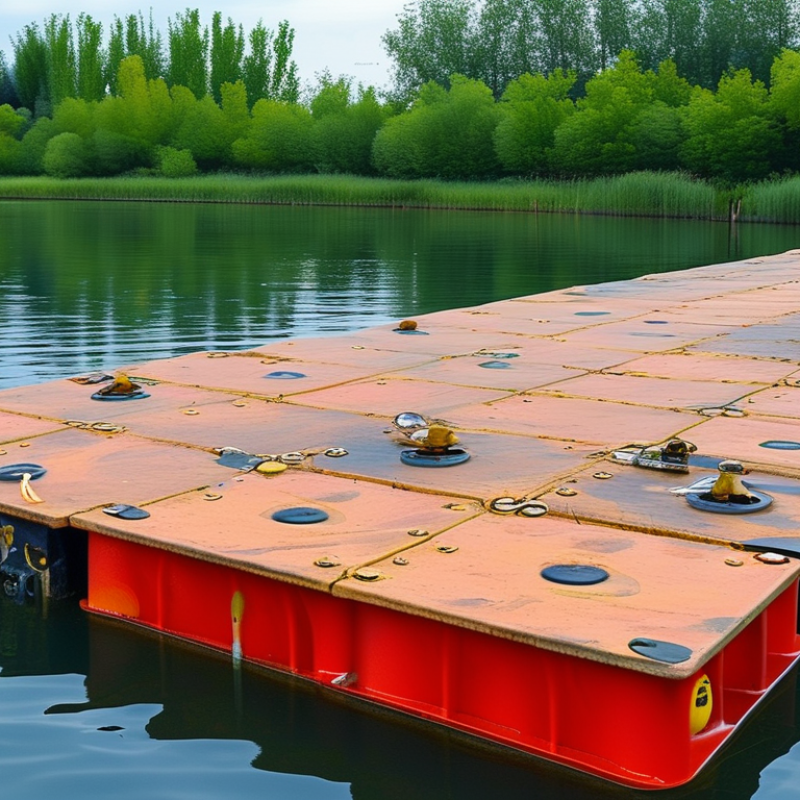
Interlocking dock floats are modular buoyant units used to build stable floating platforms. Each unit usually contains a sealed, high-density polyethylene shell and internal air space. Its molded connectors join neighboring floats, creating one continuous surface. Simple idea. Water carries the load. The connected structure spreads people, equipment, and deck weight across many flotation points.
During installation, workers align the float edges and secure them with locking pins or corrosion-resistant fasteners. Deck panels or an aluminum frame then sit above the float grid. This layered design helps distribute pressure instead of concentrating it on one unit. In calm water, the dock remains level. In waves, the connectors allow limited movement while reducing sudden stress. Freeboard still matters. Too much weight can lower the platform and make boarding uncomfortable.
From a supplier’s perspective, dependable production requires more than attractive samples. Manufacturers should test buoyancy, connection strength, ultraviolet resistance, impact tolerance, and performance in fresh or salt water. A practical inspection includes checking wall thickness, connector alignment, and sealing quality. I have found that small molding defects can become larger problems after repeated loading. That point deserves more attention. Specifications also need real installation conditions, including wave exposure, temperature changes, and maintenance access. A dock may look solid on the factory floor, yet behave differently beside a windy shoreline. Careful load calculations and clear assembly guidance help reduce that gap.
: They are modular buoyant units for building floating platforms. Each float has a sealed plastic shell and internal air space. Molded connectors join neighboring units. Water carries the load.
Workers align the edges and secure them with locking pins or corrosion-resistant fasteners. Deck panels or frames sit above the connected float grid. Accurate alignment matters.
The connectors allow limited movement during wave action. This movement can reduce sudden stress on the platform. However, they are not unlimited. Strong waves require suitable anchoring and careful design.
Quality systems often use rotationally molded HDPE. This material resists corrosion, impact, and repeated wetting. Internal chambers provide buoyancy. Molded ribs add stiffness beneath walking surfaces.
Request a physical sample before placing a large order. Check wall thickness, surface texture, molded edges, and connector fit. Place the sample in water. Apply a measured load. Small defects may grow after repeated use.
The answer depends on float size, spacing, deck weight, and water conditions. Published figures may assume calm water and evenly distributed loads. Real platforms face waves and concentrated weight. Ask for tested load calculations.
Consider salt water, ultraviolet exposure, temperature changes, wave conditions, and maintenance access. Freeboard also matters. Too much weight lowers the platform and makes boarding uncomfortable. Water levels can change over time.
Ask for production details, quality records, load tests, and recent project references. Review packaging, delivery times, replacement parts, and written warranty terms. Factory photos are not enough. I once trusted polished images too quickly. Testing the complete system is wiser.
Share water conditions, expected loads, installation drawings, and delivery location. Also explain anchoring needs and intended use. A capable supplier should question unclear specifications. That response shows practical judgment.
Interlocking Dock Floats are modular floating units designed to connect securely and form stable platforms for marinas, waterfront access, work areas, and recreational structures. Their interlocking design allows sections to be assembled, expanded, rearranged, or removed with relative ease, while buoyant materials provide dependable support on the water. China-made systems may offer practical features such as durable connectors, anti-slip surfaces, UV resistance, corrosion-resistant hardware, and flexible layout options for different project requirements.
When evaluating a China supplier, buyers should review manufacturing experience, material specifications, production capacity, quality-control procedures, and customization services. Reliable manufacturers typically use high-quality, impact-resistant materials and apply consistent inspections throughout molding, assembly, buoyancy testing, and final packaging. It is also important to confirm compliance with applicable standards, delivery capabilities, technical support, warranty terms, and communication efficiency. Selecting the right supplier requires comparing product performance, project compatibility, total cost, and long-term service rather than focusing only on the initial quotation.

 ShengHuang