Top 10 Modular Water Floats for Global Buyers

Time:2026-09-20 Author:Sophia
0%

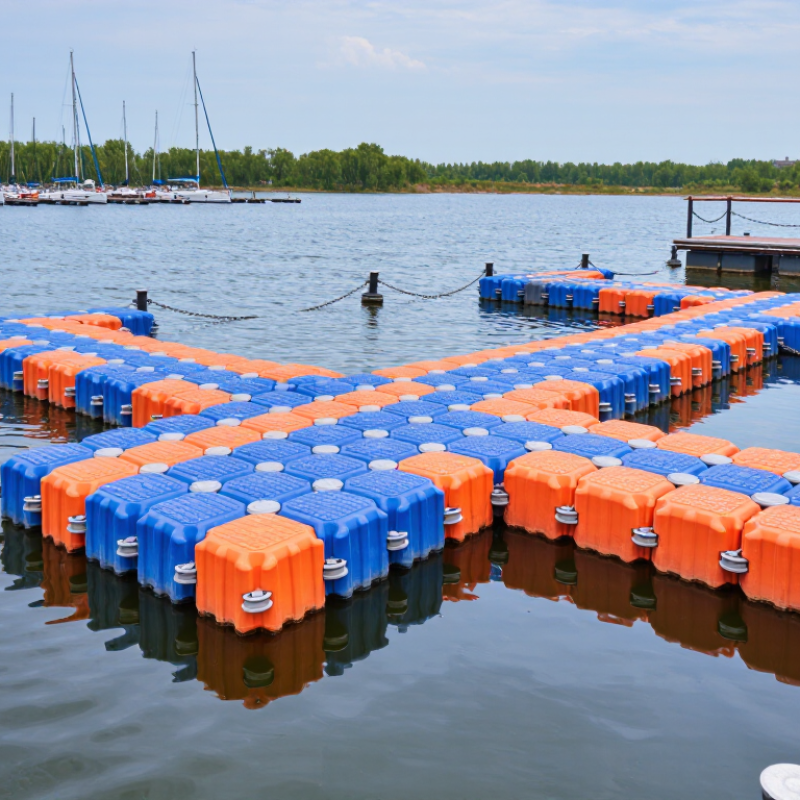
Choosing the right Modular Water Floats requires more than comparing prices, colors, or advertised load ratings. Global buyers must examine buoyancy, connector strength, deck texture, anchoring compatibility, UV resistance, and replacement-part access. A float that looks stable in a product photograph may move sharply under uneven loading. That matters near marinas, resorts, aquaculture facilities, event platforms, and private waterfronts.

Marine engineer and floating-platform consultant Andy O’Brien explains, “A modular float is only as reliable as its connections, anchoring, and maintenance plan.” His observation captures the practical focus of this guide. The following selection considers real purchasing concerns, including assembly time, wave exposure, user capacity, storage, shipping efficiency, and long-term serviceability. Some models may perform beautifully in sheltered water but disappoint in strong currents. Others may offer excellent stability while creating higher freight costs because of their molded dimensions.

Details matter.

The top ten choices are not presented as universal winners. Water conditions, climate, regulations, and installation standards differ between countries. Buyers should request technical drawings, test data, warranty terms, and installation guidance before ordering. Independent inspection may also be sensible for larger platforms or public-access projects. A cheaper system can become expensive when damaged connectors, unavailable parts, or difficult repairs are involved. That is an uncomfortable point, but it deserves attention. This comparison aims to help distributors, contractors, marina operators, and facility owners ask better questions before committing to Modular Water Floats.
Top 10 Modular Water Floats for Global Buyers

Modular Water Floats Explained: HDPE Density of 0.94–0.97 g/cm³

Top 10 Modular Water Floats for Global Buyers

Modular Water Floats Explained: HDPE Density of 0.94–0.97 g/cm³

For global buyers, HDPE density is a practical starting point when comparing modular water floats. At 0.94–0.97 g/cm³, HDPE remains lighter than freshwater, creating useful buoyancy. However, density alone does not determine carrying capacity. Wall thickness, chamber design, connectors, and ballast also matter.

During dock and work-platform inspections, engineers should check how evenly each module sits under load. A properly designed float stays stable when people move, equipment shifts, or waves strike one side. Ten leading float configurations may use similar HDPE, yet perform differently because of rib patterns and joining systems. Look closely at molded corners. Weak edges often show stress first.

The material also resists corrosion, moisture, and many common chemicals. UV stabilizers are essential for outdoor exposure, especially in tropical regions. Ask for density records, impact-test results, load ratings, and welding quality reports. Independent testing adds confidence.

Still, a mistake is easy to make. A lightweight module may appear efficient but offer poor freeboard after installation. Measure the expected load, water conditions, and safety margin before ordering. Freshwater and seawater create different buoyancy conditions. Temperature can also affect flexibility and connector behavior. Field performance is rarely perfect on paper. Regular inspections remain necessary, even with durable HDPE.

How to Classify the Top 10: Pontoon, Marina, Event, and Work-Platform Types

Top 10 Modular Water Floats for Global Buyers should be classified by use, not appearance.

Three pontoon floats suit leisure decks, fishing platforms, and small passenger access.

They need stable buoyancy, slip-resistant surfaces, and simple connection points.

Three marina floats support berthing, loading, and utility access.

Check freeboard, cleats, fenders, and movement under changing water levels.

Two event floats provide temporary stages, viewing decks, or floating walkways.

Their layout must allow safe crowd flow and controlled access.

Two work-platform floats serve maintenance, inspection, and light equipment tasks.

They require stronger frames, secure tool storage, and predictable load distribution.

Tips:

Ask for load charts, connection details, and replacement-part guidance.

Measure wave exposure, current speed, water depth, and seasonal changes.

A float that works on a calm lake may perform poorly in open coastal water.

Local technicians should inspect joints before regular use.

Small gaps matter.

In my experience, modularity saves transport space, but it does not remove planning risks.

Modules should align without forcing bolts or twisting frames.

Verify buoyancy after adding ladders, rails, machinery, or event equipment.

Some buyers focus on deck size and overlook drainage.

That mistake can create slippery surfaces and uneven weight.

Materials also need review.

Corrosion-resistant fittings help in saltwater, while treated components may suit freshwater better.

Specifications can look convincing, yet real performance depends on assembly quality and maintenance.

A top-ten ranking is useful only when the category matches the working environment.

Global Buyer Specs: Load Capacity, Freeboard, UV Resistance, and ISO 12215

Top 10 Modular Water Floats for Global Buyers

Global Buyer Specs: Load Capacity, Freeboard, UV Resistance, and ISO 12215

Load capacity begins with displacement, not marketing claims. One cubic metre displaces about 1,025 kilograms in seawater. That is theoretical buoyancy. Buyers should subtract deck weight, hardware, people, water absorption, and a safety reserve. Ask for tested capacity at the intended waterline. A neat spreadsheet can still mislead.

Freeboard must be checked under uneven loading and wave action. Measure it at the design load, not with an empty platform. Low freeboard may allow spray, cargo movement, and faster water ingress. Modular joints deserve special attention. Small gaps can become serious weaknesses during repeated loading.

UV resistance needs documented testing. ISO 4892-3 and ASTM G154 offer recognized approaches for accelerated weathering. The OECD Global Plastics Outlook reported 353 million tonnes of plastic waste in 2019, reminding buyers that material durability affects long-term waste. Request test duration, color change, tensile retention, and cracking results. ISO 12215-5:2019 addresses hull design pressures and scantlings, but it does not automatically certify every modular float system. Confirm whether the standard’s scope fits the platform, connection design, and operating environment. I would not accept “ISO compliant” without drawings, calculations, and traceable test records.

Regional Compliance Guide: CE, ASTM F963, EN 13451, and Marine Safety Rules

Top 10 Modular Water Floats for Global Buyers

Compliance starts with the product’s intended use, not its shape. A floating platform used in a resort may fall outside ASTM F963, which mainly governs children’s toys in the United States. If marketed as a toy, testing should cover mechanical hazards, flammability, chemicals, and labeling. In Europe, CE marking requires conformity with applicable legislation, technical files, risk assessment, and traceable instructions. It is not a universal quality symbol.

EN 13451 provides useful guidance for swimming-pool equipment, including stability, entrapment risks, edges, access, and structural performance. Modular connectors deserve close attention. A loose pin, exposed seam, or unexpected gap can create a serious hazard. WHO reports more than 300,000 drowning deaths globally each year, showing why buoyancy claims need practical verification, not attractive specifications. Test assembled modules, not only individual units.

Marine use adds another layer. Buyers should check local port rules, operator procedures, visibility requirements, anchoring limits, and applicable small-craft or recreational-craft standards. Some offshore applications may also require life-saving appliance or SOLAS-related assessments, depending on the product’s role. Ask for test reports from competent laboratories and inspect production samples. Paperwork can age badly. Regional translations, warning labels, user weight limits, and maintenance records must remain consistent. No checklist is perfect. A thoughtful importer should challenge assumptions before approving a shipment.

Supplier Comparison Matrix: Price, MOQ, Module Size, and 20-Foot Container Loading

Top 10 Modular Water Floats for Global Buyers

A practical supplier comparison matrix should show more than a low headline price. For ten modular water-float suppliers, record unit price, accessory costs, MOQ, module dimensions, and estimated 20-foot container loading. A 1m x 1m module may offer easier planning, while larger modules can reduce connection work. However, loading efficiency depends on packaging, stacking limits, and protective frames.

MOQ often ranges from trial quantities to full project orders. Confirm whether the quoted price includes connectors, edge guards, ladders, and repair kits. Ask for material specifications, load testing records, warranty terms, and recent installation photos. These details reveal supplier experience better than polished catalog language. A container may hold hundreds of compact modules, but the final count can fall sharply when cartons use excess space. Numbers can shift.

Tips: Request a packing diagram before approving the purchase. Compare usable deck area per container, not only the number of pieces. Also ask for FOB, CIF, or local delivery pricing separately. Currency changes and port charges can alter the real budget.

A useful matrix includes columns for supplier location, price range, MOQ, module size, gross weight, loading quantity, lead time, and quality documents. Score each item using the same standards. One supplier may win on price but lose on MOQ or replacement speed. That matters when a damaged connector stops installation. I would also leave a small contingency budget. My earlier estimates have sometimes ignored local unloading equipment, which made the comparison less reliable.

FAQS

Why does HDPE density matter in modular water floats?

HDPE density usually ranges from 0.94–0.97 g/cm³. It is lighter than freshwater, creating useful buoyancy. Density alone does not show carrying capacity. Wall thickness and chamber design matter too.

How should buyers estimate a float’s real load capacity?

Begin with water displacement, not promotional figures. Subtract deck weight, hardware, people, absorbed water, and a safety reserve. Request capacity tests at the intended waterline. A spreadsheet can still mislead.

What is freeboard, and why should it be measured carefully?

Freeboard is the height between the waterline and deck. Measure it under the expected load. Test uneven loading and wave movement. Low freeboard may allow spray and cargo shifting. Empty platforms look deceptively safe.

How do modular joints affect platform stability?

Connectors must handle repeated loading and side movement. Small gaps can become serious weaknesses. Inspect molded corners and joining points closely. Weak edges often show stress first. Do not trust appearance alone.

Does freshwater provide the same buoyancy as seawater?

No. Seawater generally provides greater buoyancy than freshwater. Temperature can also affect flexibility and connector behavior. Calculate conditions for the actual operating area. The difference may seem small, but margins matter.

What UV resistance evidence should global buyers request?

Ask for accelerated weathering test records. Review exposure duration, color change, tensile retention, and surface cracking. UV stabilizers are important for outdoor use. Tropical sunlight can be especially demanding. The surface may age before failure becomes obvious.

What documents help verify modular float quality?

Request density records, impact results, load ratings, and welding reports. Ask for drawings and connection calculations. Independent testing adds confidence. A general compliance statement is not enough. Traceable records matter more than confident wording.

How can buyers reduce long-term material waste?

Choose floats with documented durability and repairable components. Inspect them regularly instead of replacing modules too quickly. Durable material can reduce premature disposal. Still, no plastic system lasts forever. That part deserves more attention.

Conclusion

Modular Water Floats are adaptable buoyancy systems commonly used for pontoons, marinas, events, and temporary work platforms. This guide explains how HDPE density, typically 0.94–0.97 g/cm³, affects flotation, durability, and handling. It also presents a practical method for evaluating the top ten systems by module design, stability, connection strength, intended use, and ease of expansion. Global buyers should compare load capacity, freeboard, UV resistance, maintenance needs, and relevant design references such as ISO 12215.

Regional requirements can vary, so purchasers should review applicable CE-related obligations, ASTM F963 where relevant, EN 13451 for suitable aquatic equipment applications, and local marine safety rules before installation or operation. A supplier comparison matrix can simplify purchasing decisions by examining price, minimum order quantity, module dimensions, accessories, delivery terms, and the number of modules that fit in a 20-foot container. Careful specification and compliance checks help buyers select a safe, efficient, and scalable floating platform for their intended environment.

Sophia

Sophia

Sophia is a dedicated marketing professional with an exceptional depth of knowledge about her company's products and services. With a keen understanding of market trends and customer needs, she crafts insightful blog posts that not only inform but also engage readers, enriching the company’s online......