The demand for durable and versatile dock solutions is rising. As the industry shifts, buyers increasingly seek the benefits of "Rotational And Blow Molded Dock" systems. Expert Tom Jenkins, a leading consultant in marine infrastructure, states, "These docks provide the strength and flexibility needed for modern waterfronts."
Rotational and blow molded docks are ideal for various environments. They resist harsh weather conditions and require minimal maintenance. However, buyers must carefully assess their needs. Not every solution fits every situation. Subpar choices can lead to significant long-term costs.
Investing in quality dock solutions is crucial. These docks meld form and function, but one must consider specific applications. Industry feedback indicates that not all molded solutions perform equally. Identifying products that stand the test of time can be challenging. Buyers should engage experienced professionals for guidance, ensuring optimal performance and sustainability.
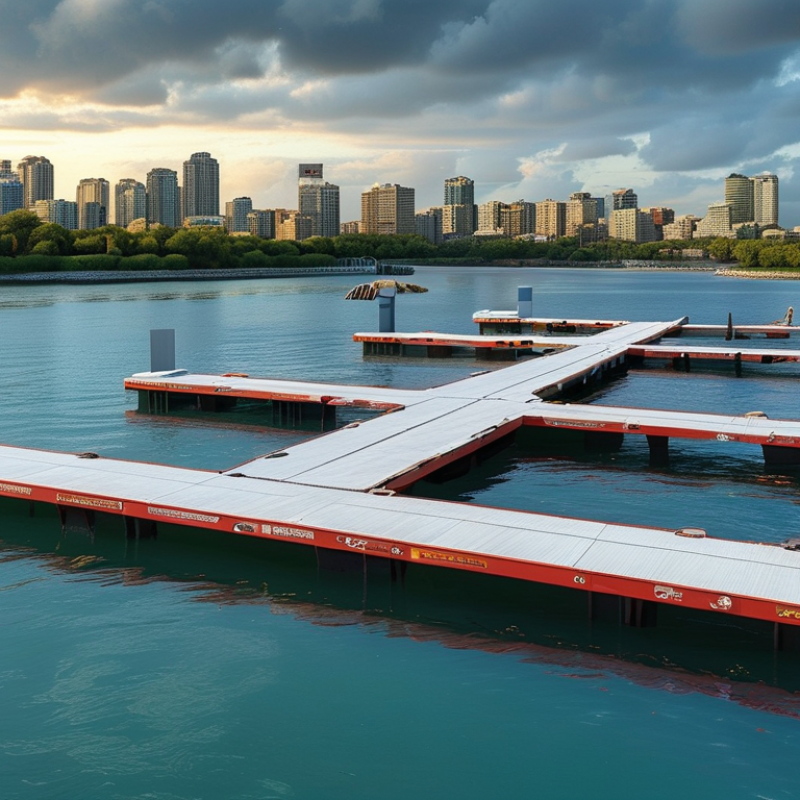
Rotational molding and blow molding are essential manufacturing processes. Each has unique benefits that suit various applications. These methods create strong, lightweight products for different industries, including marine, automotive, and consumer goods.
Rotational molding uses a rotating mold to evenly distribute material. This process allows for complex shapes and thick walls. It is suitable for large items like dock floats and storage tanks. Manufacturers appreciate its ability to minimize seams, resulting in durable products. However, it may not be the fastest option available, as cycle times can be lengthy.
Blow molding involves inflating hot plastic into a mold. This technique is ideal for creating hollow shapes, like bottles or tanks. It is efficient and quick, making it popular for mass production. In this process, detail can be sacrificed for speed. Companies must balance efficiency with quality to meet consumer expectations. Overall, understanding both methods helps buyers choose the right solution for their needs.
Rotational molding offers several key advantages for dock solutions. This method allows for the creation of durable and lightweight structures. The process can produce seamless containers and components, reducing the risk of leaks or failures. With fewer seams, wear and tear are minimized, leading to longer-lasting products. These benefits make rotationally molded docks ideal for various environments.
One limitation to consider is the initial setup cost. Although the manufacturing process can be efficient, the upfront investment might be significant. Additionally, while rotational molding allows for various designs, some complex shapes may not be as feasible. Buyers should weigh these factors against the longevity and low maintenance needs of the product.
In marine applications, resistance to saltwater and UV rays is crucial. Rotational molding typically uses materials that withstand harsh conditions. This durability is an essential factor for docks exposed to the elements. Ultimately, understanding these advantages and limitations can help buyers make informed decisions in selecting the right dock solutions.
Blow molded dock products have gained popularity in recent years due to their versatility and durability. These docks are made from a special plastic resin that is molded into shape. This process allows for a variety of designs and sizes, catering to different applications. For many users, the lightweight nature of these docks makes them easy to transport and install. However, some buyers may overlook the potential for UV degradation over time.
Applications of blow molded docks are vast. They are commonly used in residential settings, marinas, and commercial facilities. The buoyant design allows them to float on water, offering stability and support. This flexibility is appealing, especially when adjusting to changing water levels. Yet, the ideal configuration may not be evident to all buyers. It’s crucial to analyze specific needs and environments before committing to a purchase.
Despite their benefits, these products aren't without limitations. Certain environments may pose challenges that blow molded docks aren’t equipped to handle. Buyers should consider factors such as local weather, water flow, and usage frequency. This reflection can ensure the right choice is made, enhancing overall satisfaction with the dock solution.
When selecting dock solutions, buyers must consider various factors. Durability and flexibility are crucial. According to industry reports, the market for rotational and blow molded docks is projected to grow at around 6% annually. This growth reflects increasing demand for high-quality materials that withstand harsh environmental conditions. Choosing the right material can significantly impact the longevity and functionality of the dock.
It's essential to evaluate weight capacity and stability. Safety is paramount at docks, especially in busy areas. Reports suggest that improper load management can lead to accidents and costly damages. Buyers should ensure that the chosen dock solution meets or exceeds industry standards for weight distribution.
**Tips:** Inspect the dock's installation requirements. Some designs may need more complex setup processes. Keep an eye on seasonal effects, as weather can alter dock performance. Additionally, always check for certifications and user reviews to help inform your decision. Selecting the right dock solution should be based on real data and user experiences, rather than just marketing claims.
When considering dock solutions, two popular options stand out: rotational and blow molded docks. Each type offers distinct characteristics that suit various needs. Rotational docks are known for their robust design and durability. They resist harsh weather conditions and have a longer lifespan. The molded approach creates a solid structure, minimizing the risk of damage.
Blow molded docks, on the other hand, focus on lightweight designs, which facilitate easier installation and mobility. Their construction often results in ergonomically shaped docks. However, they may not endure extreme conditions as well as rotational docks. Buyers must weigh the pros and cons of each type carefully.
**Tips:** When selecting a dock type, consider the specific environmental factors you face. Analyze your usage frequency and weight requirements. Maintenance is crucial. Regular inspections can prevent larger issues later on.
| Feature | Rotational Molded Docks | Blow Molded Docks |
|---|---|---|
| Durability | High impact resistance, long-lasting | Moderate impact resistance, less durable than rotational |
| Weight | Heavier, offers more stability | Lighter, easier to transport |
| Customization | Highly customizable shapes and colors | Limited customization options |
| Maintenance | Low maintenance requirements | Requires occasional maintenance checks |
| Cost | Higher initial investment | Lower initial investment |
| Environmental Impact | Recyclable materials used | Less environmentally friendly |
: Rotational molding uses a rotating mold to evenly distribute material for creating strong, lightweight products.
Blow molding allows quick production of hollow shapes, like bottles, making it ideal for mass production.
Rotational molding is suitable for large items such as dock floats and storage tanks that require thick walls.
Blow molded docks are used in residential areas, marinas, and commercial facilities due to their lightweight nature.
Yes, blow molded docks may experience UV degradation over time, which buyers should consider.
Consider environmental factors, usage frequency, and weight requirements to make the best choice for your needs.
Blow molded docks may not perform well in extreme weather conditions, unlike their rotational counterparts.
Regular inspections can identify small issues before they become major problems, ensuring longevity and functionality.
Yes, blow molded docks offer a variety of designs and sizes to cater to different applications and user needs.
Not always; analyzing specific needs and environments is crucial before deciding on a dock type.
This article delves into the essential aspects of Rotational and Blow Molded Dock solutions, providing a comprehensive understanding of the manufacturing processes involved. It highlights the key advantages of rotational molding, such as durability and customization, which make it particularly suitable for various dock applications. Additionally, the article explores blow molded dock products, showcasing their unique benefits and versatility in different environments.
When selecting dock solutions, buyers must consider several factors, including material properties, environmental conditions, and specific usage requirements. The comparative analysis of both rotational and blow molded docks equips readers with the knowledge needed to make informed decisions. Ultimately, this guidance ensures that buyers can effectively choose the right dock solutions tailored to their needs.

ShengHuang