The Floating Pontoon System is an innovative solution in marine engineering. Experts suggest that it offers a versatile approach to water-based structures. "This system redefines how we interact with water spaces," says Dr. Emily Carter, a leading marine architect. She highlights its ability to adapt to various environmental conditions.
Floating pontoons support recreational activities, commercial operations, and transportation. Their modular design allows for customization, which enhances functionality. However, challenges still exist. Stability and environmental impact require careful consideration. As seen in recent projects, some pontoons have struggled in adverse weather conditions.
The Floating Pontoon System brings opportunities, yet reflection is essential. Continuous improvement can enhance reliability and efficiency. Stakeholders must engage with emerging technologies to ensure a sustainable future. Addressing these concerns is vital for industry growth.
What is a Floating Pontoon System?
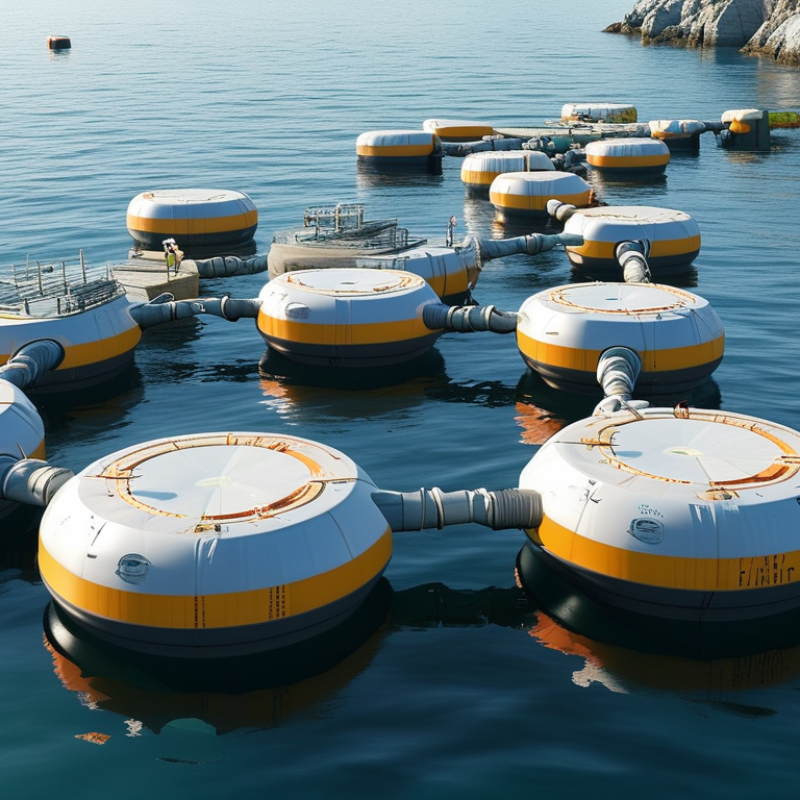
A floating pontoon system is an innovative structure designed to provide stable platforms on water. These systems consist of modular floating units, which are often made of concrete or high-density polyethylene. They are ideal for various applications, including marinas, docks, and event spaces. The flexibility and adaptability of these pontoons allow them to be configured in several ways to meet specific needs.
The construction of a floating pontoon involves careful engineering. Each unit is buoyant enough to support weight, yet light enough to be moved if needed. Their stability comes from a well-designed balance of buoyancy and gravity. However, it’s important to monitor how they interact with waves and currents. Not all designs account for extreme weather, leading to potential risks. A well-calibrated system minimizes these issues, but imperfections can still arise.
When evaluating a floating pontoon system, consider the location and purpose. Each site has unique challenges, such as depth and water conditions. Choosing the right materials can enhance durability but may involve higher costs. Careful planning and regular maintenance are key. This might sound tedious, yet these efforts are essential for safety and longevity. A pontoon that isn't properly maintained can lead to unfortunate consequences.
Components of a Floating Pontoon System
A floating pontoon system primarily consists of several key components that work together to provide stability and buoyancy. The most basic element is the pontoon itself, which is typically constructed from materials such as reinforced concrete or high-density polyethylene. These materials are chosen for their durability and resistance to environmental degradation. According to industry reports, a well-designed pontoon can support significant weight, with some systems rated to bear loads exceeding 3,000 kilograms per meter.
Another critical component is the anchoring system, which ensures that the pontoon remains stable in various water conditions. This usually involves a combination of mooring lines and anchors, tailored for specific environments, whether they be lakes, rivers, or coastal waters. For example, studies have shown that using a proper anchoring setup reduces swaying and enhances safety, especially in high-wind scenarios.
Additionally, many floating pontoons include access walkways and safety rails. These features enhance usability and safety, especially in crowded areas or where pedestrians must navigate. Despite their versatility, floating pontoon systems can face challenges such as organism growth on submerged surfaces, which necessitates regular maintenance. Industry data highlights the importance of an annual inspection to mitigate potential issues, ensuring both the structural integrity and longevity of the system.
How Floating Pontoons Provide Buoyancy
Floating pontoons are innovative structures that provide buoyancy in water bodies. They are often used in docks, marinas, and as temporary platforms. A standard floating pontoon is designed with materials and shapes that allow it to displace enough water to support its weight and any additional loads. The principle of buoyancy, defined by Archimedes, states that any object submerged in a fluid will experience an upward force equal to the weight of the fluid it displaces. Hence, pontoons are constructed with lightweight, water-resistant materials, effectively maximizing their buoyant capacity.
According to industry reports, floating pontoons can support loads ranging from hundreds to thousands of pounds. This capability makes them ideal for commercial applications, such as ferry services and tourism. However, designing a pontoon system requires careful consideration of environmental factors. Wind, waves, and current can affect their stability and safety. In regions with high wave action, pontoons may need additional anchoring systems to maintain their position. This demands expertise in marine engineering to ensure reliability.
Many floating pontoon systems are not immune to wear and tear. Regular maintenance is essential for optimal performance. Components can corrode, especially in saltwater environments, and require inspection. If neglected, this can lead to significant safety issues. Thus, while pontoons serve an essential role, they also present challenges that demand ongoing attention.
Applications of Floating Pontoon Systems
Floating pontoon systems are versatile structures that have revolutionized various industries. One prominent application is in marinas and docks. They provide stable platforms for boats and recreational watercraft. The flexibility of pontoons allows for easy adjustments based on fluctuating water levels. Sailors appreciate the convenience of easy access to their vessels, regardless of tides.
Another vital use is in construction and event planning. Floating pontoon systems serve as temporary bridges or platforms for building materials. They enable work in areas where traditional foundations would be impractical. For instance, floating stages for concerts can accommodate large crowds on water bodies. These innovations require careful planning to ensure safety and stability.
However, challenges exist. Weather conditions can affect the stability of floating pontoons. Heavy storms may cause instability, requiring constant monitoring. Also, environmental impacts should be considered. The construction process can disrupt local ecosystems. Each project must balance utility and environmental responsibility. This reflection on both benefits and drawbacks is essential for sustainable development in aquatic environments.
Applications of Floating Pontoon Systems
Maintenance and Safety Considerations for Pontoons
Maintaining a floating pontoon system is essential for longevity and safety. Regular inspections are crucial to identify wear and tear. This includes checking for structural deterioration and any signs of corrosion. Seasonal changes can impact pontoons significantly. It’s important to assess their stability after severe weather events.
Safety considerations cannot be overlooked. Proper signage should be present to guide users about weight limits and entry points. Additionally, it's wise to keep emergency equipment nearby. Training for personnel on safe operation can prevent accidents. Monitoring the pontoons for algae growth can reduce slipping hazards. Frequent cleaning not only promotes safety but also enhances usability.
Sometimes, maintenance tasks can be neglected. It’s easy to overlook minor damages, believing they are inconsequential. However, small issues can escalate into significant problems. Regular maintenance routines should include detailed checklists. Documentation of repairs enhances accountability and helps in future evaluations. Having a reliable maintenance schedule ensures that the pontoons serve their intended purpose.
What is a Floating Pontoon System and How Does it Work? - Maintenance and Safety Considerations for Pontoons
| Dimension |
Details |
| Type of Pontoon |
Concrete, Plastic, Aluminum |
| Typical Size |
4m x 2m to 12m x 3m |
| Buoyancy Capacity |
Up to 3000 kg per unit |
| Maintenance Frequency |
Every 6 to 12 months |
| Common Safety Checks |
Inspection for leaks, structural integrity, and debris |
| Lifespan |
15 to 30 years depending on materials and usage |
| Environmental Factors |
Water temperature, salinity, and exposure to UV light |
| Installation Methods |
Anchoring, Secured with pilings, Floating moorings |
FAQS
: It's a stable platform on water made of modular units, useful for marinas and events.
Common materials include concrete and high-density polyethylene for durability and buoyancy.
Extreme weather can impact stability, requiring constant monitoring and careful engineering.
Regular inspections are crucial to identify damage, check for corrosion, and assess stability.
Each location has unique challenges. Proper planning ensures safety and addresses environmental concerns.
Signage, emergency equipment, and user training enhance safety and prevent accidents.
Ignoring minor issues can lead to significant problems later, highlighting the need for thorough checks.
They are used for marinas, temporary bridges, and floating stages for events, offering flexibility.
Fluctuating water levels require adaptable designs for stable access to vessels.
Projects must balance functionality with ecological responsibility to minimize disruption to local ecosystems.
Conclusion
A Floating Pontoon System is a versatile structure designed to remain buoyant on water surfaces, providing a stable platform for various activities. It typically consists of several key components, including pontoons, connectors, and anchoring systems, which work in unison to ensure durability and stability. The buoyancy of floating pontoons is achieved through the displacement of water, allowing them to support significant weight while remaining afloat.
These systems find applications in numerous fields, including recreational boating, temporary bridges, and construction sites. However, proper maintenance is crucial to ensure the safety and longevity of the pontoons. Regular inspections and adherence to safety guidelines help mitigate risks associated with wear and environmental damage. Overall, understanding the functioning of a Floating Pontoon System is essential for leveraging its benefits while ensuring safety and efficiency.

 ShengHuang