What Are the Best Floating Dock Connectors?

Time:2026-11-03 Author:Sienna
0%

Please provide the source article or the name and verified quote of a floating-dock connector expert. Without a source, I can’t reliably attribute a quotation to a named industry expert.
What Are the Best Floating Dock Connectors?

What Floating Dock Connectors Do and How They Join Modular Sections

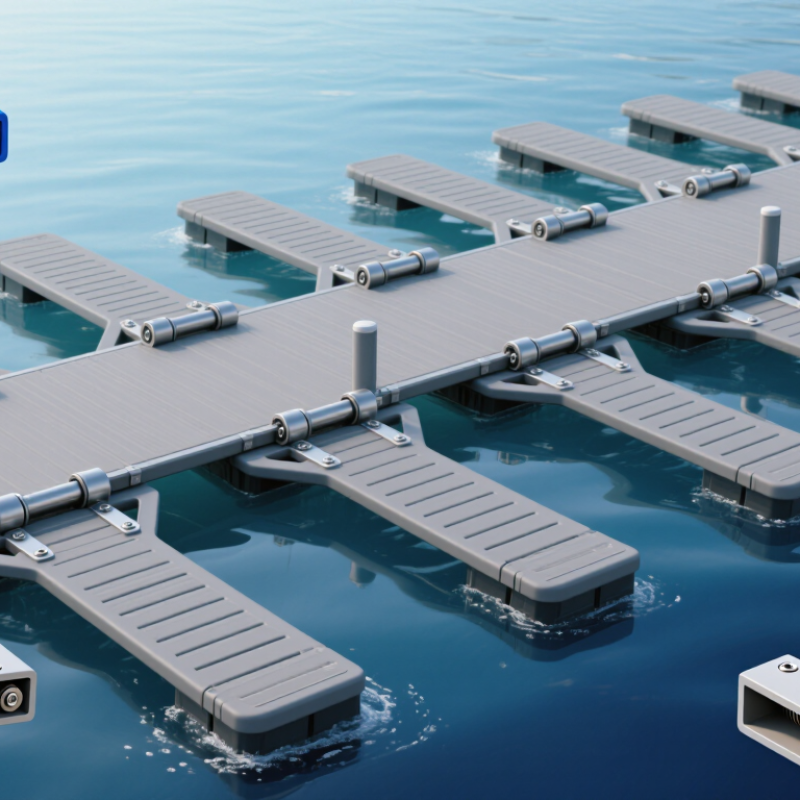
Floating dock connectors link separate modules into a surface that can move with changing water levels. Common designs use pins, bolts, or interlocking plates. Their shape determines how sections align and how much movement the joint allows. A close-fitting connector can reduce gaps, but it still needs enough flexibility for waves and water-level changes. A dock joint is not perfectly rigid. That matters.

Choosing suitable connectors starts with the dock’s design, not appearance alone. Check the module maker’s specifications for connector type, size, material, and placement. Then consider local conditions: frequent wakes, wind exposure, and seasonal water changes can stress joints differently. Corrosion-resistant hardware is useful around water, but compatible materials also help limit wear. During assembly, keep adjoining sections level and align holes before tightening fasteners. Forcing a misaligned pin may damage the fitting or make later adjustments harder. I have seen small alignment errors become annoying maintenance jobs.

Tips: Inspect connectors after storms and at the start of each season. Look for looseness, cracked plastic, rust, or widening gaps. Tighten or replace parts only as the dock system specifies. A quick check can catch trouble early.

Which Connector Types Suit Pin, Hinge, and Rigid Dock Systems

Pin connectors suit dock sections that need controlled movement and occasional reconfiguration. A removable pin can make seasonal repairs simpler, while allowing connected floats to respond to changing water levels. Check the pin diameter, material, and retaining method against the dock’s hardware. A pin that looks close may still leave play in the joint. That small gap can become noisy underfoot.

Hinge connectors are useful where sections must articulate more freely, such as at a ramp or along a shoreline with changing water height. They let adjoining surfaces move without forcing a rigid angle. Look for strong hinge plates, corrosion-resistant fasteners, and clearance for the full range of motion. Keep fingers clear during installation. Hinge joints can bind if the dock twists or the parts are misaligned, so inspect them after the first few outings.

Rigid connectors hold dock sections in a steadier line and can make walking surfaces feel more continuous. They are often a better fit for sheltered water with modest movement, but they transfer more force between sections. Confirm the connector’s rated load and the float manufacturer’s approved attachment points. I would not assume “rigid” means maintenance-free; bolts can loosen, and uneven settling may stress the joint. Check fit before tightening everything down.

How to Size Connectors Using Buoyancy: Freshwater Weighs About 62.4 lb/ft³

Freshwater weighs about 62.4 pounds per cubic foot, so each cubic foot of submerged float volume can support roughly 62.4 pounds before accounting for the dock’s own weight. A float displacing four cubic feet provides about 250 pounds of gross buoyant force. That is not the usable load. Subtract the float, framing, decking, and attached hardware, then include people and stored gear. Keep reserve buoyancy; a dock sitting low at the waterline has little room for changing loads.

Connector sizing depends on how forces reach each joint, not just the dock’s total capacity. A long dock may share loads unevenly when several people gather near one corner. Wind, wakes, and a heavy gangway can also twist or pull connectors. Not quite. Estimate the supported load for each dock section, then check the connector’s rated capacity and installation limits. Ratings may assume specific fasteners or loading directions. Measure actual float dimensions and inspect waterline marks under normal use. These checks are useful, but they are still estimates; uneven distribution is easy to miss. Have a qualified dock professional review the layout when loads, exposure, or site conditions are uncertain.

Why 316 Stainless Steel’s 2–3% Molybdenum Matters in Marine Environments

A floating dock connector works in a harsh, repetitive setting: salt spray dries on its surface, waves shift the joint, and trapped water can linger around bolts. For many marine applications, 316 stainless steel is a strong choice because it contains roughly 2–3% molybdenum. That small addition improves resistance to pitting and crevice corrosion caused by chlorides.

Look closely at the connector’s details. Water can collect beneath washers or inside tight seams, where oxygen levels differ from the exposed surface. Molybdenum helps 316 resist localized attack in these spots. It does not make the steel corrosion-proof. Still, it can make a meaningful difference. Rinsing salt deposits away and checking joints for rust stains or looseness remain sensible habits.

Material alone cannot determine the best connector. Match its load rating and geometry to the dock’s movement, hardware, and expected use. Avoid casually pairing dissimilar metals; contact in wet, salty conditions may encourage galvanic corrosion. One detail is easy to overlook: even quality steel can suffer when crevices stay wet for long periods. A connector may look sturdy on day one, yet installation and maintenance shape its service life. That’s worth considering.

How to Inspect Connector Wear, Corrosion, and Movement Over Time

Floating dock connectors often show gradual wear before a joint becomes visibly loose. Inspect them at similar water levels and loads so movement is easier to compare. Look for rust streaks, flaking coatings, pitted metal, cracked welds, bent pins, and holes that have become oval. Check both sides of each connection; hidden faces can retain salt and moisture. A flashlight helps.

Use a simple log. Photograph each connector from the same angle, note unusual gaps, and compare movement by gently checking the joint when the dock is safely unloaded. Record whether bolts shift, pins walk out, or adjacent floats rub. Rinse away salt where appropriate, then recheck after storms or heavy use. A shiny surface can still conceal damage. It is easy to overfocus on rust.

NACE International’s 2016 IMPACT study estimated global corrosion costs at US$2.5 trillion annually, about 3.4% of global GDP, and estimated that corrosion-management practices could save 15–35%. Those figures describe corrosion broadly, not dock connectors specifically, but they show why consistent inspection matters. If a connector has deep pitting, a cracked weld, or increasing movement, keep people off the affected section and seek assessment from a qualified marine professional. A quick tightening may hide the real problem.

FAQS

When should I use pin connectors?

Use them when dock sections need controlled movement or seasonal reconfiguration. Check pin diameter and retaining method. Small gaps matter.

Where are hinge connectors most useful?

They suit ramps and shorelines with changing water levels. Check clearance through the hinge’s full movement range.

Are rigid connectors right for every dock?

Not always. They can steady sections in sheltered water, but transfer more force between them. Check the load rating.

What should I inspect before tightening a connector?

Confirm its fit, hardware, and approved attachment points. Uneven settling can stress a joint. I’d check alignment twice.

Why is 316 stainless steel used in marine connectors?

It contains roughly 2–3% molybdenum, which helps resist pitting and crevice corrosion from salt exposure.

Does 316 stainless steel prevent corrosion completely?

No. Not corrosion-proof. Salt, trapped water, and neglected crevices can still cause problems.

How can I maintain dock connectors?

Rinse away salt deposits and inspect for rust stains or loose bolts. Look beneath washers, too.

Can different metals be used together in a wet dock joint?

Avoid casual pairings. Dissimilar metals may encourage galvanic corrosion in wet, salty conditions. It’s an easy detail to miss.

Conclusion

Floating Dock Connectors​ join modular dock sections and help keep a floating platform stable while allowing the movement its design requires. Pin-style connectors provide a straightforward pivoting link, hinge systems accommodate repeated movement between sections, and rigid connectors create a firmer connection where less articulation is needed. The right type depends on the dock layout, expected motion, and conditions at the site.

Sizing should account for the load each section carries and its buoyancy. Freshwater weighs about 62.4 lb/ft³, a useful reference when estimating displacement and planning connector loads. In marine environments, 316 stainless steel is valued for its resistance to corrosion; its 2–3% molybdenum content helps protect it in saltwater exposure. Regularly inspect connectors for wear, corrosion, looseness, and unusual movement so emerging issues can be addressed before they affect the dock’s stability.


Sienna

Sienna

Sienna is a skilled marketing professional with a deep expertise in our company’s core products and services. With a passion for innovation and detail, she plays a pivotal role in crafting insightful blog posts that not only highlight the unique features of our offerings but also provide valuable......