The demand for Floating Dock Modules has surged globally, driven by rising marine activities. According to a recent report by Marine Docking Systems, the floating dock market is expected to grow by over 12% annually. This rise reflects increased investment in maritime infrastructure across various sectors.
Experts in the industry, like Dr. Robert Chen, highlight, "Floating Dock Modules offer unmatched flexibility and efficiency in marine operations." His insights emphasize how these modules are crucial for shipbuilding, repair, and maintenance services. As companies seek reliable solutions, the adaptability of floating docks becomes essential.
However, the floating dock industry faces challenges. Issues such as material durability and cost-effectiveness need to be addressed. Buyers must consider these factors to make informed decisions. Recognizing the importance of quality and reliability will help in selecting the right modules. Understanding these nuances can transform procurement strategies significantly.
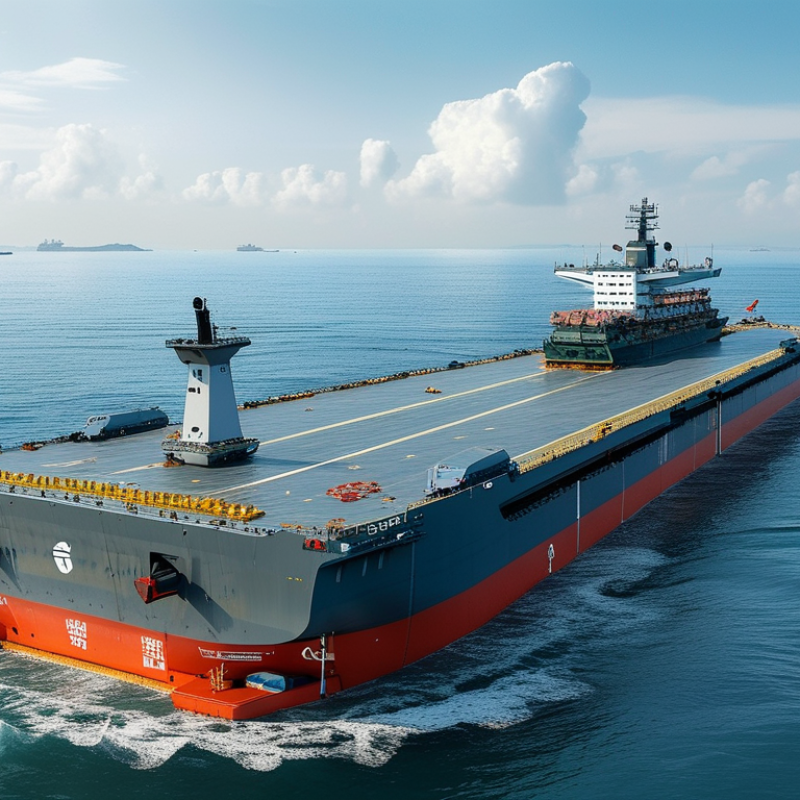
Top Features of China's Leading Floating Dock Modules
China is recognized for its advanced floating dock modules, which offer a variety of unique features. These modules are designed to withstand tough marine environments. Many have enhanced buoyancy and durability, catering to diverse industrial needs. A recent report indicates that the global floating dock market is expected to grow by 5.3% annually from 2021 to 2028. This growth reflects a rising demand for efficient maritime solutions.
One notable feature is modularity. This allows for easy transportation and assembly. Buyers can customize configurations based on specific requirements. Furthermore, many floating docks are crafted from high-quality materials that resist corrosion and wear. This offers a longer lifespan, ultimately saving costs. However, some concerns arise over environmental impacts. The production processes must focus on minimizing ecological footprints.
Safety is another key element. Several designs incorporate safety barriers and anti-slip surfaces. These features enhance user protection in different conditions. On the flip side, not all manufacturers uphold the same standards. This can lead to variations in quality. It's crucial for buyers to conduct thorough research. Strategic investments in reliable floating dock modules can yield significant returns.
Market Trends in Floating Dock Solutions Globally
The global market for floating dock solutions is evolving rapidly. A report by IBISWorld revealed that the floating dock industry is expected to grow by 4.6% annually. This growth is driven by increasing demand in the marine construction and ship repair sectors. Additionally, rising maritime tourism contributes to this trend, as more recreational vessels require docking facilities.
In North America, the floating dock market is gaining traction. More than 30% of the docks in this region are now constructed with composite materials. These materials are lighter and more resistant to marine environments than traditional options. However, challenges remain. Some manufacturers face difficulties in sourcing sustainable materials. This can impact the overall efficiency and cost-competitiveness of new dock solutions.
Meanwhile, Europe shows a keen interest in modular floating dock designs. A significant increase in eco-friendly docks is evident, aligning with environmental regulations. Yet, adaptation to local regulations can be tricky for vendors. Understanding these regional requirements is crucial. Moreover, inconsistencies in quality standards may lead to confusion and affect buyer trust. Overall, the landscape is complex, and stakeholders must navigate these challenges carefully.
Key Manufacturers of Floating Docks in China: A Sector Analysis
China has established itself as a leader in the floating dock industry. The country boasts a diverse array of manufacturers that cater to global buyers. These manufacturers range from state-owned enterprises to emerging private companies. This diversity often leads to varying levels of expertise and product quality. Buyers should conduct thorough research and seek recommendations before making decisions.
The floating dock sector faces challenges, including fluctuating material costs and regulatory changes. These factors can impact production timelines and pricing. Some manufacturers may struggle to keep pace with international standards, creating inconsistencies in quality. It’s crucial for buyers to assess each manufacturer’s certifications and past projects. Engaging with local experts can provide valuable insights into the reliability of specific suppliers.
Overall, understanding the landscape of floating dock manufacturers in China is vital for global buyers. Awareness of the market's intricacies can lead to better purchasing decisions. The floating dock industry is constantly evolving, presenting both opportunities and risks. Buyers must remain vigilant and adaptable to navigate this dynamic sector.
China Top 10 Floating Dock Modules for Global Buyers
| Rank |
Dock Type |
Materials Used |
Load Capacity (tons) |
Dimensions (m) |
Installation Method |
| 1 |
Modular Floating Dock |
HDPE |
50 |
2.5 x 2.5 |
Anchored |
| 2 |
Concrete Floating Dock |
Concrete |
75 |
3.0 x 3.0 |
Permanent |
| 3 |
Aluminum Dock |
Aluminum |
40 |
2.0 x 2.0 |
Modular |
| 4 |
Plastic Floating Dock |
Polyethylene |
30 |
2.5 x 1.5 |
Floating |
| 5 |
Pontoons Dock |
Steel & PVC |
60 |
3.5 x 3.5 |
Anchored |
| 6 |
Jet Ski Dock |
HDPE |
20 |
2.0 x 1.5 |
Floating |
| 7 |
Custom Floating Dock |
Composite |
80 |
4.0 x 4.0 |
Modular |
| 8 |
Commercial Dock |
Steel |
100 |
5.0 x 5.0 |
Permanent |
| 9 |
Parking Dock |
HDPE |
50 |
3.0 x 2.0 |
Anchored |
| 10 |
Floating Walkway |
Composite |
30 |
2.0 x 1.0 |
Modular |
Innovative Technologies in Floating Dock Design and Construction
The evolution of floating dock design and construction has seen remarkable innovations over the last few years.
Advanced materials now play a crucial role, enhancing durability and reducing maintenance costs.
For instance, the use of low-density polyethylene and corrosion-resistant alloys is not only driving performance
but also extending the lifespan of floating docks.
Recent industry reports indicate that the global floating dock market is projected to reach USD 2.5 billion by 2025,
growing at a compound annual growth rate (CAGR) of 4.2%. This surge reflects the rising demand for marinas and
shipyards. Innovative technologies, such as modular construction, allow for customized solutions that meet varying
client needs while being cost-effective.
However, the sector faces challenges. Issues like environmental concerns and regulatory constraints require careful navigation.
Many manufacturers must balance innovative design with sustainable practices. Therefore, continuous investment in
research and development is essential to address these challenges while meeting market demands.
Global Demand for Floating Docks: Import and Export Statistics
The global demand for floating docks is on the rise. Recent statistics from industry reports indicate a growth rate of approximately 10% per year. This trend reflects the increasing need for marine infrastructure in various sectors. Construction, tourism, and maritime logistics are primary drivers of this growth. Countries in Asia, particularly China, are leading the way in both production and export.
Statistical data highlights that the floating dock market is projected to reach $1.5 billion by 2025. This projected value signals a major opportunity for investment. While many nations are expanding their marine facilities, some regions still lack adequate infrastructure. This contradiction presents a challenge. Inadequate docking facilities could hinder local economies.
Moreover, the export statistics show that Europe and North America are significant markets for floating docks. These regions imported over 60% of the world's complete dock systems in 2022. This data underlines the importance of innovation within the industry. Adaptability to changing needs remains vital. Challenges include environmental regulations and sustainability goals, which influence design and production standards.
Global Demand for Floating Docks: Import and Export Statistics
Conclusion
The article titled "China Top 10 Floating Dock Modules for Global Buyers" explores the leading features and innovations in floating dock modules produced in China. It highlights key market trends and the increasing global demand for these modular solutions, providing insights into import and export statistics. The piece also delves into the sector analysis of key manufacturers in China, showcasing their contributions to the floating dock industry. Additionally, it examines the innovative technologies being employed in the design and construction of floating dock modules, emphasizing their significance in meeting the evolving needs of global buyers. This comprehensive overview serves as a valuable resource for stakeholders looking to understand the dynamics of the floating dock market and the cutting-edge developments shaping its future.

 ShengHuang