When it comes to enhancing your waterfront experience, choosing the right boat dock floats is crucial. Boat dock floats modular systems offer a versatile solution for any waterfront setting. They provide robust support and stability for your dock, making it easier to enjoy water activities.
These floats come in various shapes and sizes, catering to different needs. The modular design allows for easy configuration and expansion, adapting to your changing requirements. With a wide range of materials available, you can find floats that suit your budget and aesthetic preferences.
However, not all boat dock floats modular systems meet the same standards. It's important to research and compare options thoroughly. Look for reputable brands that prioritize quality and safety. Consider the installation process, maintenance needs, and warranty options. Investing in the right float system is vital. It impacts both the longevity of your dock and your overall experience on the water.
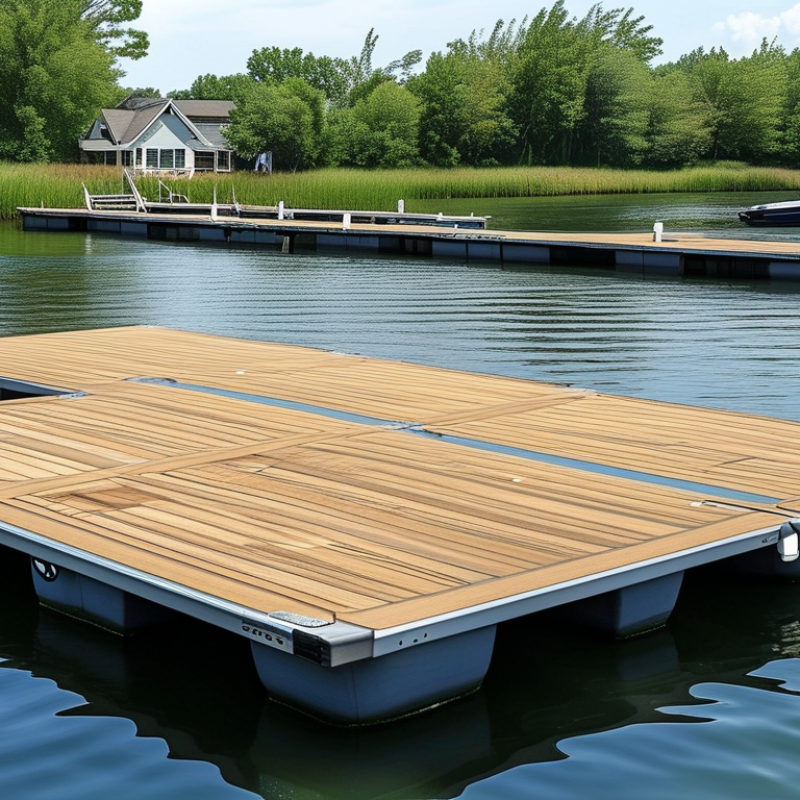
When selecting modular boat dock floats, efficiency and durability are key. High-quality floats must withstand various weather conditions. Look for floats made from UV-resistant materials. They should also have robust buoyancy to support the weight of your boats securely. Modular design enables customization to fit your specific waterfront layout and requirements.
Consider weight capacity and stability as essential features. A float’s ability to provide stable support can affect your experience dramatically. If a float is unstable, it may pose safety risks, especially during rough waters. Opting for models that feature integrated connectors allows for easy reconfiguration as your needs change or as your dock layout evolves.
Maintenance is another crucial aspect. Regular checks for wear and tear can extend the life of your dock floats. Inspect connections and surfaces for damage. Many boat owners find that cleaning their floats helps maintain buoyancy. In some cases, floats might show signs of fading or degradation over time, so monitoring them closely is wise. Reflect on your past experiences to enhance your dock's efficiency and functionality.
| Float Type | Material | Weight Capacity (lbs) | Size (L x W x H) | Color Options | UV Resistance |
|---|---|---|---|---|---|
| Polyethylene Float | High-Density Polyethylene | 1200 | 48" x 24" x 18" | Black, White | Yes |
| Concrete Float | Reinforced Concrete | 5000 | 60" x 30" x 24" | Gray | No |
| Foam Float | Closed-Cell Foam | 800 | 48" x 36" x 12" | Blue, Yellow | Yes |
| Inflatable Float | PVC Vinyl | 600 | 48" x 48" x 10" | Red, Green | Yes |
When selecting modular boat dock floats, understanding the materials used is crucial. Common materials include polyethylene and aluminum. Polyethylene is lightweight and resistant to weathering. It provides good buoyancy and is often used for residential docks. Aluminum, while heavier, offers durability and strength. It resists corrosion, making it an excellent choice for saltwater applications.
Another material is wood, often used for traditional dock designs. It blends seamlessly with natural environments. However, wood requires regular maintenance. Without proper care, it can warp, splinter, or rot. Additionally, composite materials are gaining popularity. They combine plastic and wood fibers, resulting in a durable and attractive option. While they may come at a higher cost, their longevity often makes them worth the investment.
Material choice affects not only performance but also aesthetics. Different materials can alter the dock's overall look and feel. Furthermore, the local environment plays a role in material selection. Regions with harsh weather may necessitate tougher materials. Reflect on your specific needs and environment before making a decision. Choosing the right floats can set the stage for enjoyable time on the water.
When choosing modular boat dock floats, several factors come into play. The material of the floats is crucial. High-density polyethylene is a popular option due to its buoyancy and durability. This material resists UV rays and won't easily degrade. However, some models may not offer sufficient stability in rough waters. Always check the specifications.
Weight capacity is another key consideration. Each float has a maximum weight it can safely support. If your boat is on the heavier side, look for floats designed for higher loads. Ignoring this detail could lead to safety issues. Dimensions also matter; ensuring the floats fit your dock space and provide adequate coverage is essential.
Accessibility should not be overlooked. Ensure there’s a clear path to board your boat comfortably. Some modular designs have added features for easier access, but these can add to the cost. Reflect on your specific needs and how often you use your dock. This will help identify the right features that justify your investment.
When selecting modular boat dock floats, consider top brands that lead the market. Many offer reliable performance, durability, and innovative designs. These brands invest in high-quality materials. This ensures longevity against harsh water conditions. Some floats are designed for easy assembly, making them user-friendly. Ease of installation is often overlooked but critical for a hassle-free experience.
Features such as buoyancy and stability should be evaluated. Some models provide enhanced floatation, making them suitable for larger vessels. It’s crucial to read user reviews for real-world insights. Feedback can highlight potential issues, such as wear and tear over time. These insights help in making a well-informed decision.
Don't forget to think about your specific needs. Will the dock be used frequently or occasionally? Will it face strong currents or heavy waves? Each scenario demands different float capacities. This reflection is essential to choose the right product that meets your waterfront needs. Don't rush the choice; take time to explore all options available.
When installing modular boat dock floats, attention to detail is crucial. Begin by assessing the water depth and surrounding conditions. Clear debris from the installation area. A sturdy base ensures that the floats remain stable. Anchor the floats using galvanized screws, which resist corrosion. This will extend the life of your dock and reduce maintenance efforts. Periodically check the floats for any signs of wear or damage.
Regular maintenance is essential for durability. Inspect the floats every season, especially after severe weather. Look for cracks, high water levels, or algae buildup. Cleaning with a gentle scrub will keep them looking good. Consider applying a UV protectant to avoid fading. Additionally, be ready to adjust your setup if water levels change significantly. Flexibility in your design can prevent costly repairs later on. It’s important to embrace imperfections in your setup, as they can lead to innovative solutions.
Keep in mind that installation may not always go as planned. Adjustments might be necessary, and not everything will align perfectly. Learning from these experiences can improve your installation skills over time. Engaging with local experts can provide new insights. They can offer valuable knowledge about the best practices for your specific waterfront needs. This collaborative approach helps ensure a successful and lasting dock float solution.
: Look for UV-resistant materials, robust buoyancy, and a modular design for customization. Stability is also important.
Buoyancy supports boat weight securely. Unstable floats can pose safety risks, especially in rough waters.
Regularly inspect for wear, clean the floats, and look for signs of fading. Monitoring extends their life.
Common materials include polyethylene, aluminum, wood, and composite materials. Each has unique benefits and drawbacks.
Assess water depth and clear debris. Use corrosion-resistant screws and ensure a sturdy base for stability.
Harsh weather may require tougher materials. Reflect on your local conditions to make the right choice for your dock.
Adjustments may be necessary. Embrace imperfections as they can lead to new solutions and improve skills over time.
Inspect them every season and after severe weather to catch any damage or algae buildup early.
While typically more expensive, their durability often justifies the cost due to their longevity.
Opt for models with integrated connectors for easy reconfiguration as needs evolve over time.
When considering the best options for boat dock floats modular systems, it is essential to understand their key features that enhance efficiency and stability. These floats are typically crafted from durable materials that can withstand various environmental conditions, ensuring longevity and reliability. When choosing the right modular boat dock floats, several factors come into play, including weight capacity, installation ease, and maintenance requirements.
Additionally, potential users should be aware of the best practices for installation and upkeep to maximize the performance of their floating docks. By evaluating these aspects and doing thorough research, you can select the ideal boat dock floats modular solutions that fit your waterfront needs, providing both functionality and aesthetic appeal.

ShengHuang