The demand for Floating Dock Sections is on the rise. According to a report by Grand View Research, the global floating dock market is expected to reach $1.2 billion by 2026. This growth is driven by increasing boating activities and waterfront constructions worldwide. Industry expert John T. Miller states, “Floating dock systems can enhance accessibility and safety in waterway projects.”
Modern Floating Dock Sections offer versatility for various applications. They are used in marinas, residential areas, and commercial settings. Their ability to adapt to fluctuating water levels makes them invaluable. Proper installation and materials can significantly affect long-term performance. Nevertheless, not all products meet the same standards. Buyers should conduct thorough research before making decisions.
Cost is a major factor, but quality cannot be overlooked. Choosing budget options may lead to compromises in durability. A reliable floating dock can ultimately save costs through reduced maintenance. As the market evolves, it's crucial to stay informed about innovations. Understanding the features and benefits of Floating Dock Sections can help buyers make wise investments.
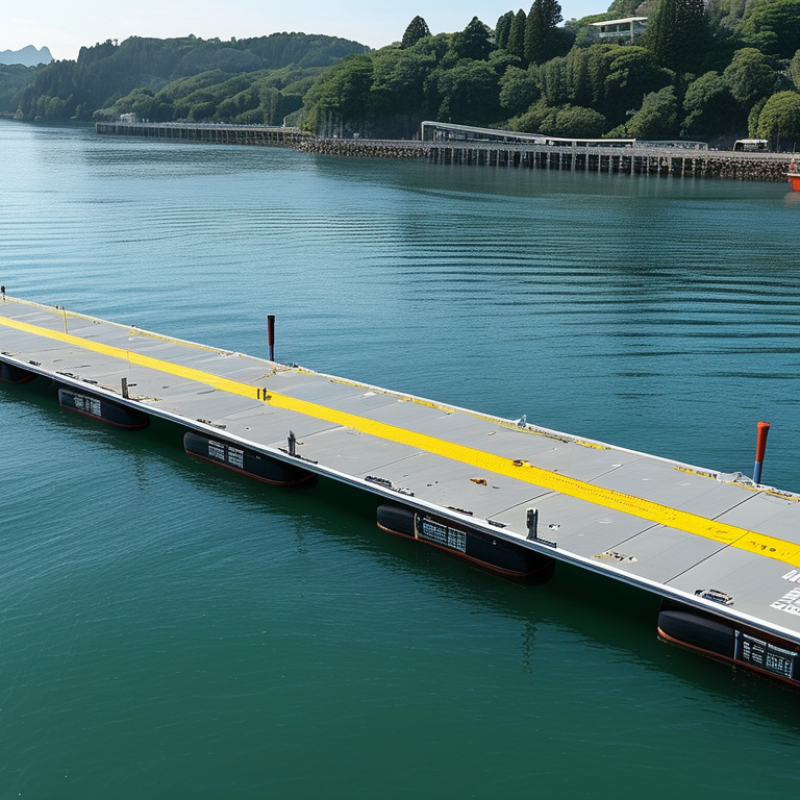
Floating dock sections are popular in various environments. They serve many purposes—recreation, transportation, and construction. These platforms can accommodate multiple activities, enhancing waterway access and usability.
There are several types of floating dock sections available. Modular docks are versatile and easy to assemble. They can be customized to fit different needs. On the other hand, fixed docks may offer more stability but lack the flexibility of floating options. Users often struggle between choosing mobility and stability. Some find that adapting to seasonal changes is challenging.
Understanding the specific application can boost functionality. Different materials contribute to performance. Plastic, metal, and wood each offer unique advantages. However, each material has its limitations. Buyers must consider maintenance requirements and longevity. Environmental factors also play a role in determining the right choice. Evaluating these components is crucial for effective dock installation.
When choosing floating dock sections, consider several key features. Durability should be at the top of your list. The materials used greatly impact the lifespan of the dock. High-density polyethylene is ideal. It's resistant to UV rays and harsh weather conditions. These docks withstand heavy use over time, avoiding costly replacements.
Another important feature is buoyancy. Look for sections that offer adequate support for your needs. Thicker sections provide better flotation but may add complexity during installation. Weight capacity is crucial too. Make sure the docks can handle the boats or equipment you plan to use. Verify the specifications to avoid unpleasant surprises.
Installation ease often goes overlooked. Some dock systems feature a simple assembly process, ideal for quick setups. Others might require advanced skills. Reflect on your own abilities and the tools you have. Finally, consider the design. A well-designed dock shouldn’t just be functional; it should also complement its surroundings. Choosing wisely ensures enjoyment for years.
Floating docks have gained popularity for their versatility and utility. Various brands are emerging in the floating dock manufacturing industry, each with unique traits. For international buyers, understanding these differences is essential.
Some brands focus on durability. Their docks endure harsh weather conditions. Others prioritize design, ensuring aesthetic appeal alongside functionality. Furthermore, some manufacturers offer custom solutions tailored to specific needs. This can include special sizes or buoyancy options. However, not every brand excels in service. Some may deliver late or provide inadequate support post-sale.
When selecting a floating dock, consider material quality. High-density polyethylene and aluminum are common materials. Both are resistant to corrosion but vary in weight and buoyancy. Additionally, read reviews. Real user experiences provide insight into product reliability. It's crucial to weigh options carefully and reflect on what truly matters for your needs.
Floating docks offer versatility and convenience for various waterfront activities. Proper installation ensures safety and longevity. Begin by selecting a sturdy location. The water depth matters. A solid foundation prevents shifting during storms. You may need professional help for heavier installations. This decision can save you from costly repairs later.
Maintenance is crucial for the dock's lifespan. Regular inspections can catch issues early. Look for signs of wear or damage. Wooden parts may rot if exposed to water constantly. Consider coating them every few years. Using the right sealants helps too. Pay attention to the dock's ropes and anchors, as they may fray over time.
Floating docks require seasonal adjustments. In colder climates, be mindful of ice damage. Adjust the dock height accordingly. Even minor misalignments can cause problems. Simple check-ups can extend the life of your dock. Reflect on these maintenance tips, and consider your specific environment for the best outcomes.
When considering floating dock sections, cost varies widely across the global market. For instance, a recent industry report reveals that prices can range from $10 to $25 per square foot, depending on material and design. Polyethylene docks are often cheaper, but they offer limited durability. Aluminum options can cost more but provide superior longevity and maintenance savings over time.
Geographical differences significantly impact pricing. North America shows an average of $15 per square foot for basic sections. In Europe, costs rise to about $20, reflecting higher regulatory standards and shipping fees. Meanwhile, markets in Asia can provide competitive pricing, sometimes dropping below $10 per square foot. This doesn’t always equate to quality, making it essential for buyers to gauge value versus expense.
Findings from various market analyses indicate that many buyers often overlook hidden costs. Installation and accessories can add anywhere from 20% to 50% to the initial investment. The intended use of the floating dock can also affect long-term costs. Casual users may prioritize lower prices, while businesses should consider durability and support. Understanding these factors can lead to better purchasing decisions.
: Look at material quality, durability, and design. High-density polyethylene and aluminum are common choices.
It’s very important. A sturdy location prevents shifting during storms. Consider water depth for stability.
It may be wise for heavier docks. This can save money on repairs later.
Regular inspections are key. Check for wear or damage, especially in wooden parts.
In colder climates, adjust the dock height to prevent ice damage. Alignments matter for performance.
Use sealants and coatings for wooden parts. Regularly check ropes and anchors for fraying.
High-density polyethylene and aluminum resist corrosion well. They each offer different strengths and weights.
No, some brands may have poor service or late deliveries. Researching user reviews can help.
Neglect can lead to serious issues like rot or structural damage. Regular care is essential.
Reflecting on your needs can guide you to the best product for your specific situation.
The article "2026 Best Floating Dock Sections for Global Buyers Guide" provides a comprehensive overview of Floating Dock Sections, detailing their types, uses, and key features to consider when making a purchase. It emphasizes the importance of understanding the various styles available, from modular designs to fixed installations, ensuring buyers choose the best option for their specific needs.
Additionally, the guide outlines important installation and maintenance tips to ensure longevity and safety of floating docks. A cost comparison across the global market offers valuable insights for international buyers, helping them to make informed decisions. Whether for recreational purposes or commercial applications, understanding the essential aspects of Floating Dock Sections is crucial for maximizing usability and ensuring value for investment.

ShengHuang